Aug 3, 2026
How to Prepare Your Home for Extreme Weather: An Exterior Checklist

When it comes to ensuring your home is weatherproof, there are certain things to keep in mind.
Whether your home is in an area prone to flooding and storms, or intense heat and temperatures, Jeff Gordun, Vice President of Delivery in POWER’s Phoenix territory, gave us some tips to make sure you keep your home safe from Mother Nature.
Before Storm Season
If you know your home might be subject to extreme weather or temperatures, there are some helpful things to have on standby.
- – Your homeowners insurance information
- – Product Specifics
- – WIN Number or Manufacturing number on Windows
- – Check out our previous article on How To Find Your Window Identification Number
- – Any warranty information you may have for products installed on the exterior of your home
- – A list of trusted local repair companies and handymen
Heavy Wind
If your home has been exposed to strong winds, walk around it and look for missing shingles or other damage.
Before the storm, make sure you know what your house looks like. Do a lap around the home; go to areas you do not usually frequent—this way, if something is wrong, you can identify it before the storm arrives.
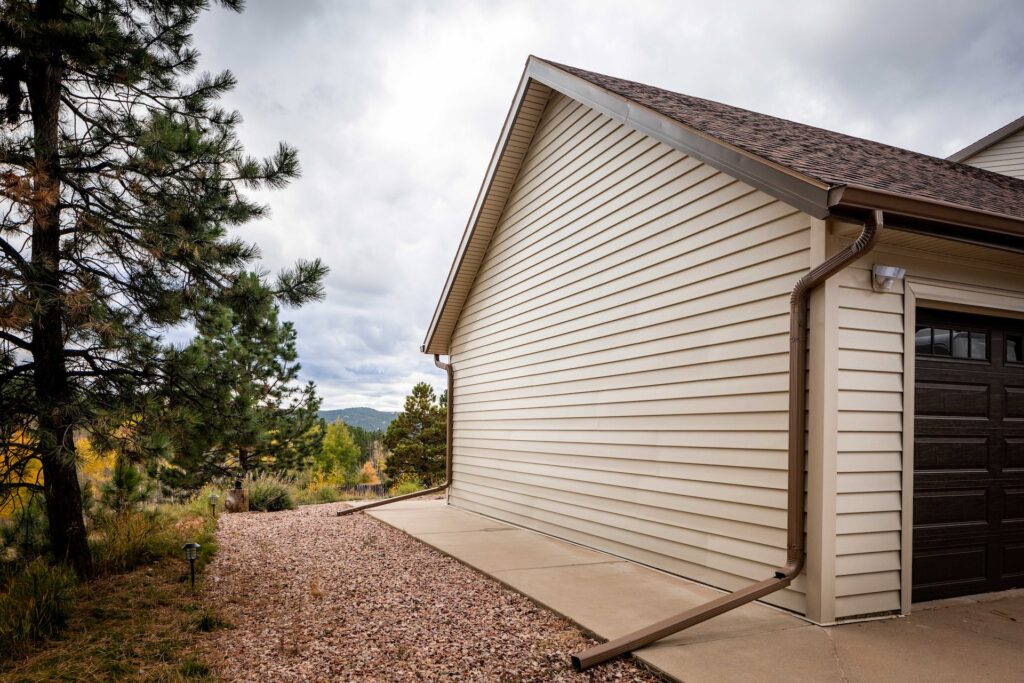
If you have trees and shrubs surrounding your home, it could be a good idea to keep them slightly distanced and pushed back from the home. Identifying dead trees or broken, weak branches and removing them before strong winds is a good way to prevent future damage. A shattered window is no fun during a windstorm.
When it comes to POWER materials, our exterior products are impact-rated—providing more effective protection for the home from strong winds and weather, so homeowners can have a little more peace of mind come storm season.
Heavy Rain & Flooding
Before
If you know a storm is heading your way, go outside and check your gutters. Make sure they are clean and clear; if they are stuffed with debris, rainwater will not exit the exterior of the home properly.
Check all drains and window wells. Window wells are low spots where water can collect. Putting inexpensive covers on the wells and checking that they drain properly can help prevent basement flooding.
Some homes have drains that carry water away from the property and can clog with leaves, sticks, debris, etc., allowing water to build up. Keep them clean and clear.
A general rule of thumb: water should move away from the house. You should never have gutters or pipes feeding back onto the property— everything should be pointing away.
Downspout extenders can be helpful when water is moving back toward the home. The extenders ensure that all water is properly moved off the house and away from its foundation.
After
Signs that your water drainage system is struggling:
- – A lot of debris gathered around the home: indicates that water was not redirected properly
- – Pools of water after rain has stopped: this could indicate problems with the grading of the home or the underground drainage system.
Check for damage. If you’re comfortable, go up into your attic and look for any wet spots or dripping. Go into your basement and crawlspaces—these areas with little ventilation are extremely important to keep dry to prevent further damage. If you are not comfortable, call a professional.
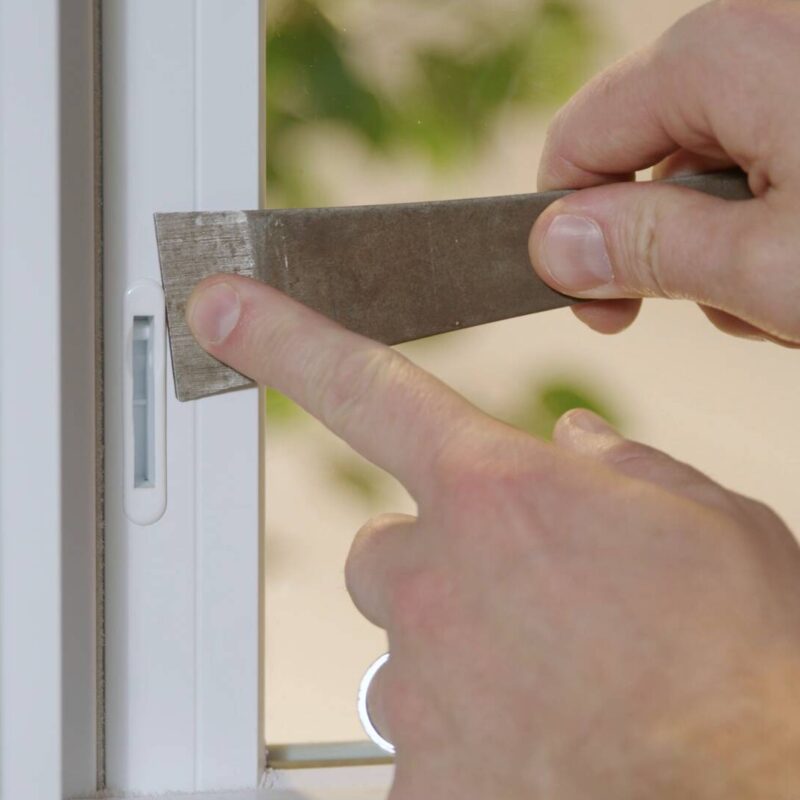
Check your windows and doors to see if water is gathering inside or if the areas feel damp. If they do, this could mean your doors and windows are not sealed properly.
Extreme Heat
When it comes to protecting your home from extreme heat, there are very helpful tips that could make a world of difference.
- – Add outside shrubbery and prioritize shading in general
- – Keep blinds and curtains closed, especially in unused rooms
- – Add insulation and enhance ventilation
- – Check ductwork: HVAC checks by AC company
If you see daylight around the seams of your doors or windows, it means hot air is getting in.

You might be familiar with the term ‘solar heat gain coefficient’. This is a measurement of how much radiant heat from the sun passes through a window’s glass: simply put, the lower the SHGC, the better for hot summers.
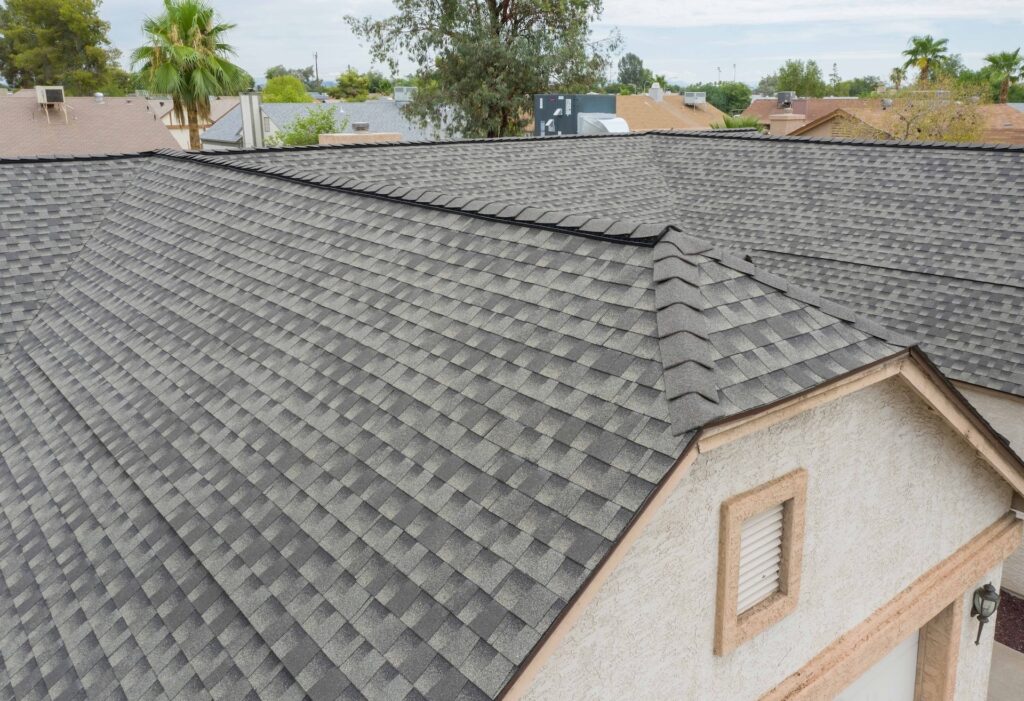
POWER also offers reflective shingles in our Las Vegas and Phoenix territories, which help keep an attic from getting too hot. Another way to help keep an attic insulated is with Energy Sphere, our blow-in insulation. We also use radiant barrier, which is stapled to an attic ceiling to help keep it and the house cool.
We asked Jeff: If you could give only three pieces of advice for storm preparation, what would they be?
Here’s what he said:
- – Inspect your home and property before and after any major storms.
- – Make sure all of your windows and doors are in good working order and will keep rain out.
- – Do not ignore small problems; they will become more expensive down the road
Ready to improve your home and get it weather-ready, no matter where you are? Schedule a free in-home estimate with a POWER expert.
Back to News