Nov 24, 2026
Issues With Your Gutters? 5 Things to Look For
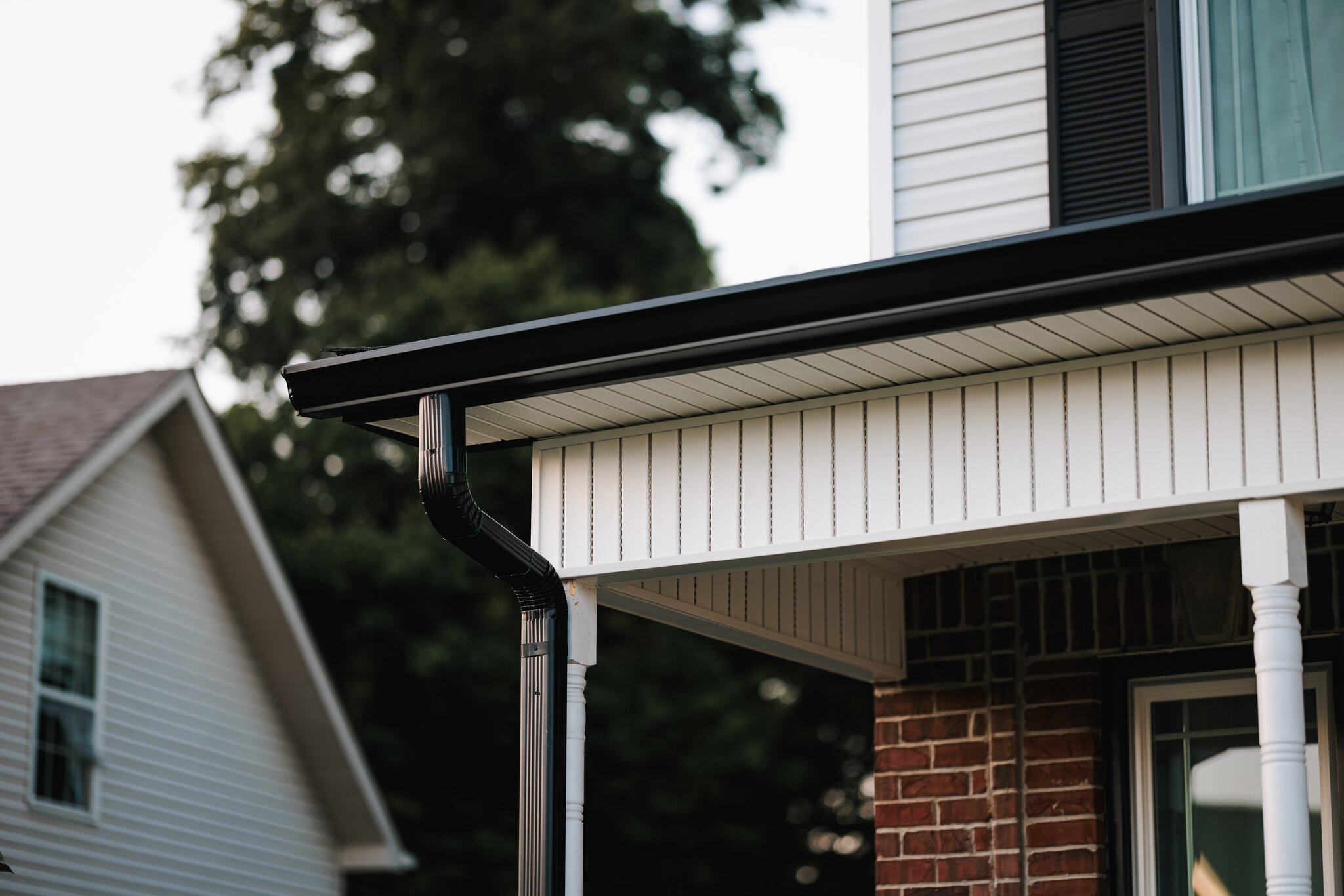
Your gutters play an important role in protecting your home from water damage. By collecting and redirecting rainwater away from your roof, siding, and foundation, a properly functioning gutter system helps protect your home’s exterior from the elements.
But because gutters are often out of sight and out of mind, issues can easily go unnoticed until they become more serious and potentially costly.
Whether you’re conducting routine exterior maintenance or noticing something unusual after a heavy rainfall, here are five signs your gutters may need some attention.
1. Water is overflowing from your gutters
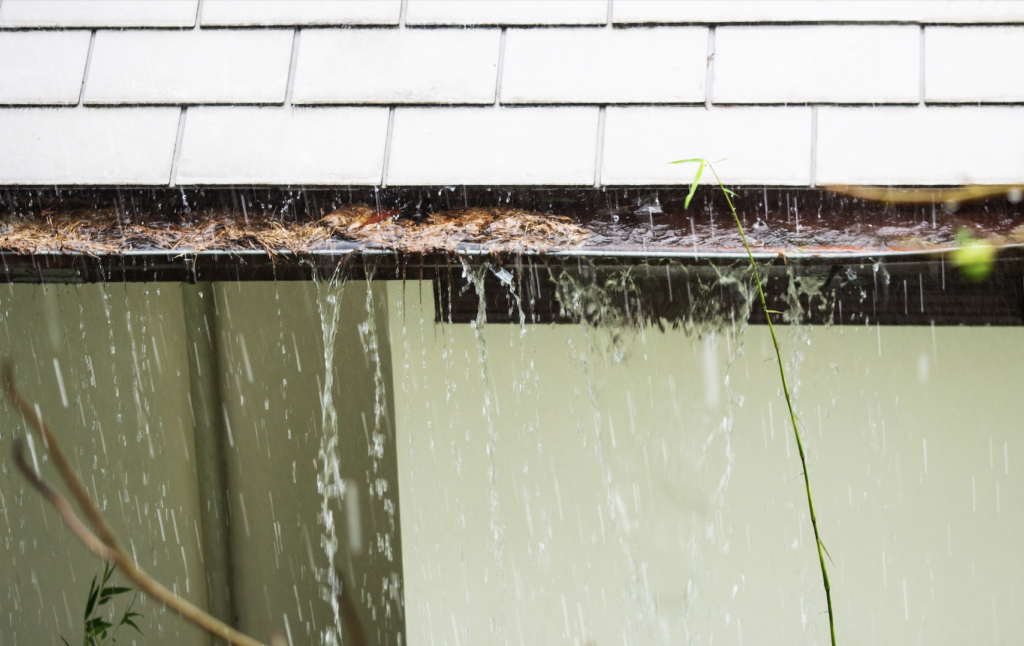
Take a look at how water is traveling through your gutter system. Is it flowing steadily through your downspouts, or is it spilling over the sides of your gutters?
Overflowing gutters can be a sign that leaves, twigs, and other debris have accumulated, obstructing the natural flow of water. However, overflowing gutters aren’t always the result of a clog. Improper gutter placement, insufficient gutter capacity, or an inadequate number of downspouts can also contribute to the issue.
When water spills over your gutters, it can run down your siding, collect around your foundation, and damage surrounding landscaping.
Cleaning your gutters at least twice a year, typically in the spring and fall, can help prevent debris buildup. Installing gutter guards can also help minimize the amount of debris that enters your gutter system.
2. Your gutters are sagging or pulling away from your home
Take a step back and examine your gutters from ground level. Do you notice any sections that appear to be dipping, bowing, or separating from your roofline?
Gutters should be securely attached to your home with a slight slope toward the downspouts to facilitate proper drainage. When gutters become weighed down by accumulated debris, standing water, snow, or ice, the additional weight can place strain on the hardware securing them to your home.
Sagging gutters can also be attributed to deteriorating fascia boards, loose fasteners, or improper installation. If left unaddressed, gaps between your gutters and fascia can allow water to travel behind the gutter system, potentially damaging the surrounding exterior materials.
3. Water is sitting inside your gutters
Your gutters are designed to transport water, not store it. If water remains in your gutters well after a rainstorm has passed, you may have a drainage issue.
Standing water can indicate:
- – A clogged gutter or downspout
- – An improperly pitched gutter system
- – Sagging or uneven sections of gutters
- – Obstructions preventing water from reaching the downspouts
Beyond compromising the functionality of your gutters, standing water can attract pests, contribute to premature deterioration, and add unnecessary weight to your gutter system. During colder months, that water can also freeze, placing additional stress on your gutters.
4. There are visible cracks, rust, or signs of deterioration
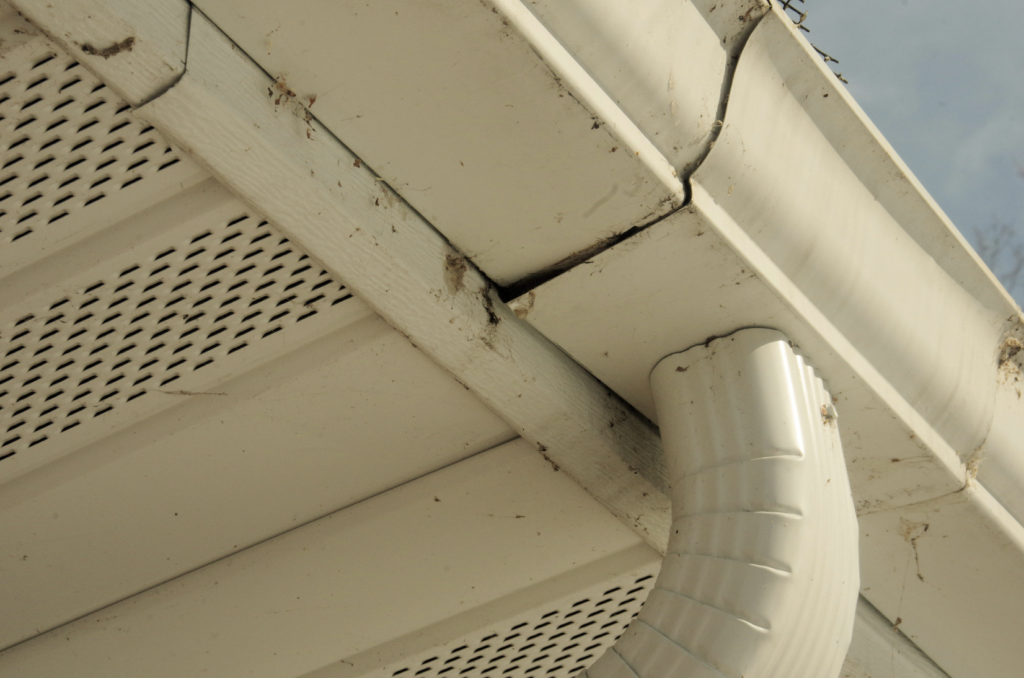
Like any component of your home’s exterior, gutters are exposed to the elements year-round. Over time, that exposure can lead to wear and tear. Look for visible signs of deterioration, including cracks, holes, corrosion, peeling finishes, or separation at the seams.
While a small crack or hole may seem insignificant, it can allow water to escape before reaching the downspout, defeating the purpose of your gutter system.
Depending on the material, age, and overall condition of your gutters, isolated damage may be repairable. However, widespread deterioration or recurring leaks may indicate that it’s time to consider a full gutter replacement.
Seamless gutter systems can help minimize potential points of leakage by reducing the number of joints along the roofline.
5. You’re noticing water damage around your home’s exterior
Sometimes, the most telling signs of gutter issues aren’t found on the gutters themselves, but on the surrounding areas of your home.
Keep an eye out for:
- – Water stains or streaking on your siding
- – Discoloration or deterioration of fascia boards and soffits
- – Pooling water around your foundation
- – Erosion or displaced mulch in surrounding landscaping
- – Moisture issues in your basement or crawl space
These issues can indicate that water isn’t being effectively redirected away from your home. While your gutters may appear to be in good condition, it’s equally important to assess where your downspouts are depositing water.
Your entire gutter system should work together to collect, transport, and discharge water a sufficient distance away from your home’s foundation.

Is it time to replace your gutters?
Routine maintenance can go a long way in preserving the functionality and longevity of your gutter system. However, if you’re experiencing recurring issues despite regular cleaning and maintenance, it may be time to have your gutters professionally evaluated.
When assessing your gutter system, remember to consider the condition of your gutters, downspouts, fascia, and other surrounding exterior components. These elements work together to protect your home from the elements.
Explore POWER’s exterior remodeling services to learn more about our gutter solutions, or schedule a free estimate to get started.
Back to News