Sep 17, 2026
Roof Inspection Tips: Spot These Problems Before They Turn into Leaks
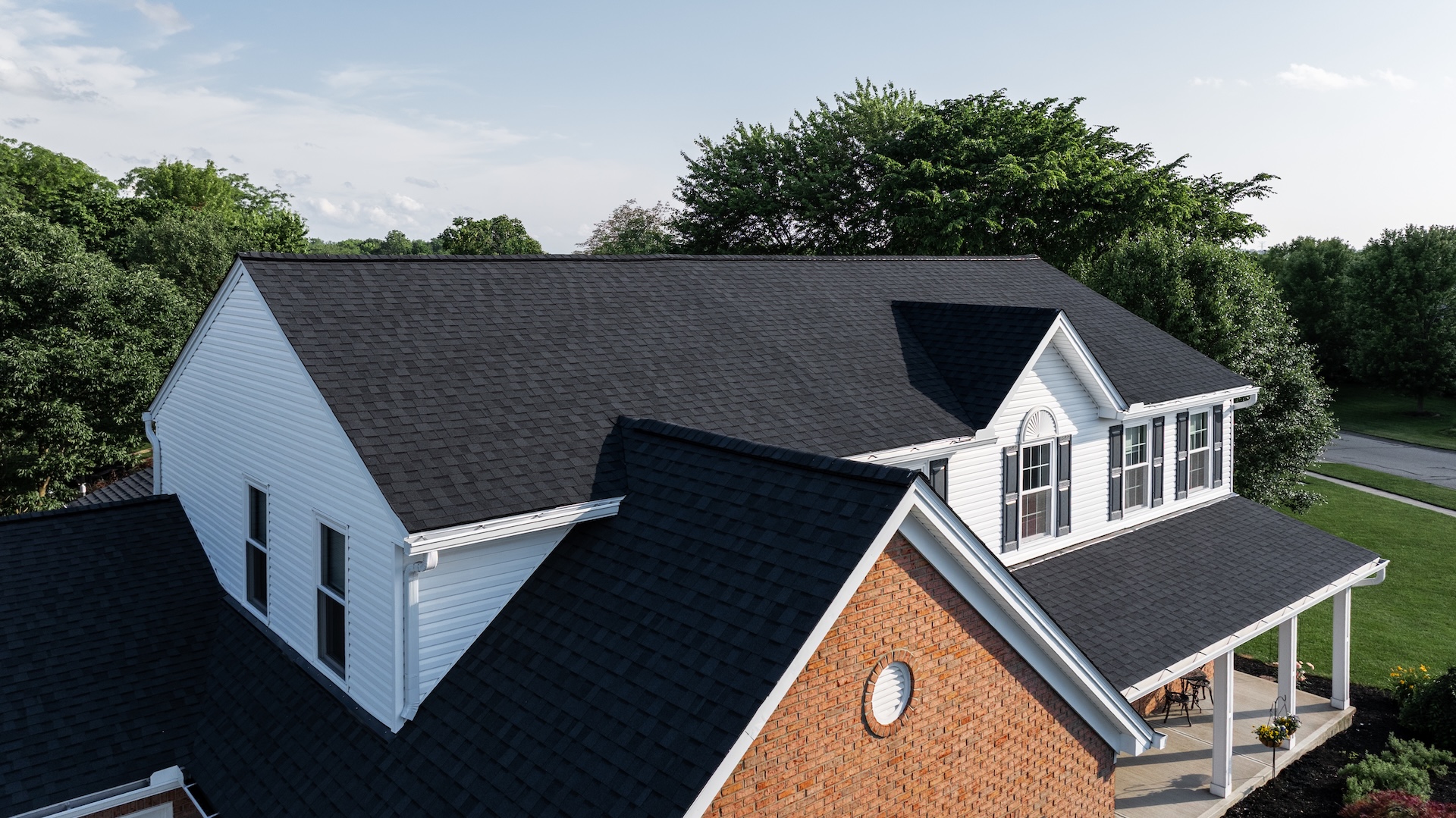
Your roof’s main job is to protect your home from outside elements: wind, heat, rain, snow, etc. It not only keeps the elements out, but also helps keep your home’s indoor temperature stable.
Roof damage or leaks can cause many problems in a home and make your AC work overtime.
When caring for your home, it is important to watch for warning signs that can lead to bigger problems. If you feel comfortable, you can check for the issues below without an expert.
Leaves, Moss, and Algae on the Roof
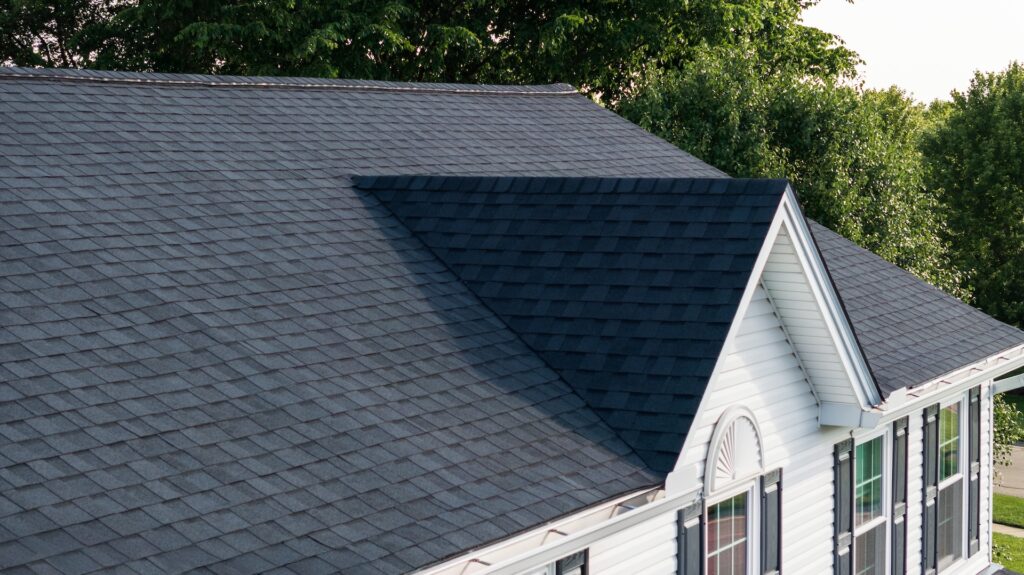
Grab a pair of binoculars and take a walk around the outside of your home. If you see leaf piles gathered on the roof, know that this could lead to leaks. These piles of leaves or debris can trap moisture and potentially seep into your home’s structure. It can also interfere with drainage and accelerate deterioration, particularly in valleys and other areas where water needs to move freely. Moss is also important to watch for, as it easily soaks up rainwater.
If you can, simply sweep away the leaves and other debris, but be careful; doing so too aggressively can remove granules from the shingles and cause additional damage. Once moss has taken root in a shingle, it can be killed, but some damage to the shingle may have already occurred.
Do not go onto the roof of your home without the appropriate safety equipment, such as a ladder and non-slip shoes. If you’re comfortable, you can get a much better look at the shingles from the roof itself.
Buckled or Warped Shingles
Buckled or curled shingles can be caused by an excess of hot air or moisture in the attic. These misshapen shingles can lead to poor ventilation and leaks.
A rule of thumb: if 1/3 or more of your shingles are warped, it’s likely time for an entirely new roof.
Missing Shingles
Check for missing or broken shingles. If you have wooden shingles, inspect your roof for signs of dry rot from a ladder. You should NOT walk on a roof with wooden or wood shake shingles.
If you have asphalt shingles, you can check for signs of wear via your gutters. Asphalt shingles contain gravel-like particles that can, over time, break free and run into your gutters. You should also check at the opening of your downspouts at ground level—rainwater will push particles through the downspouts and collect at the base.
If your home doesn’t have gutters, walk your property to inspect around the roofline. These asphalt particles will fall off the roof edge and collect on the ground along the roofline. If you notice a lot of asphalt in your gutter or around your home, it is time to check the condition of your shingles.
Inspect the Flashing on your Roof
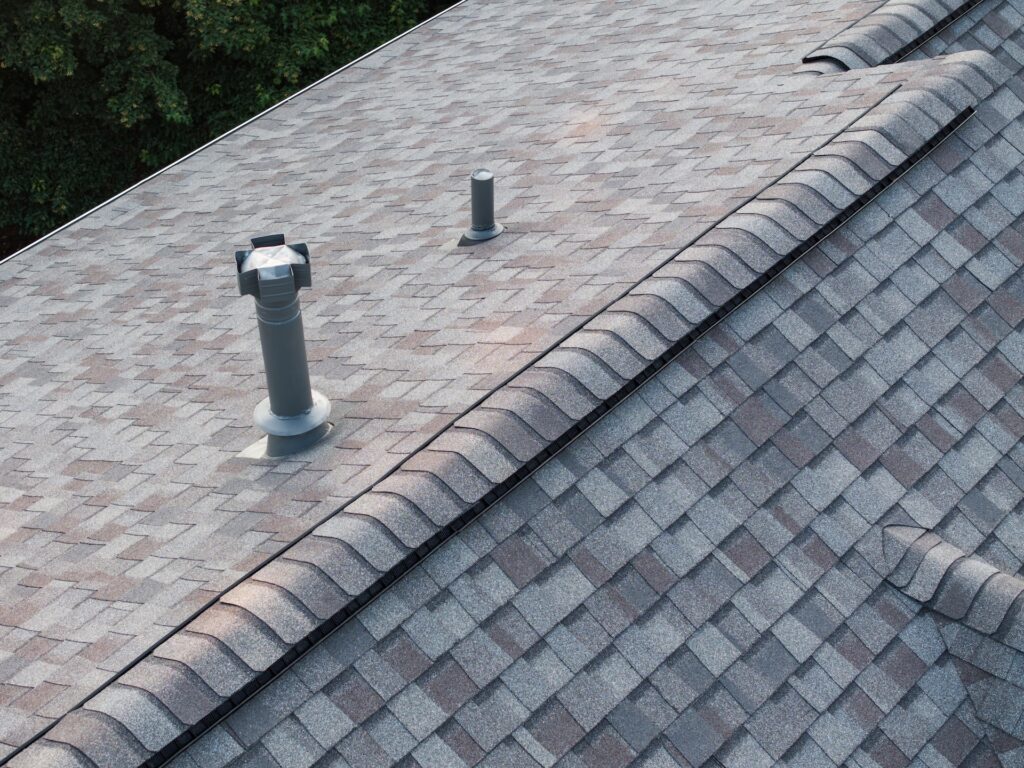
Your chimney, skylights, and vents are sealed to your roof with rubber or metal, known as flashing. Check for signs of damage to the flashing, such as bends, rust, missing caulk, or gaps between the flashing and the roof.
Roof penetrations are also worth inspecting; this includes metal flashing, pipe boots, sealants, and other components.
Check your Attic and Ceilings
If your home has an attic, you can look for signs of water leakage there. Check your rafters and the wooden interior of your roof for signs of moisture, mold, and rot.
Turn off all lights and watch for sunlight seeping in where it shouldn’t; this could mean there is a leak or gap somewhere in your roof.
If you notice a water stain on your ceiling and aren’t sure whether it is new or old, trace it with a pencil. If it increases in size after rain or snow, you have a leak that needs to be addressed.
What POWER Offers
At POWER, we want to make sure your home is protected. Our asphalt shingles, made by GAF, are built to last without worry:
- 50-year life expectancy
- 130 MPH wind resistance
- Warp & Waving resistant
- UV Blocker, so shingles won’t lighten from the sun
- StainGuard: Built-in algae-fighting technology
If you’ve noticed any of the above issues, it may be time to take a closer look at your roof. Learn more about POWER’s roofing solutions and how the right materials and installation can help protect your home for years to come.
Back to News