Sep 1, 2026
What’s the Difference Between Single-Hung and Double-Hung Windows? 5 Things to Know
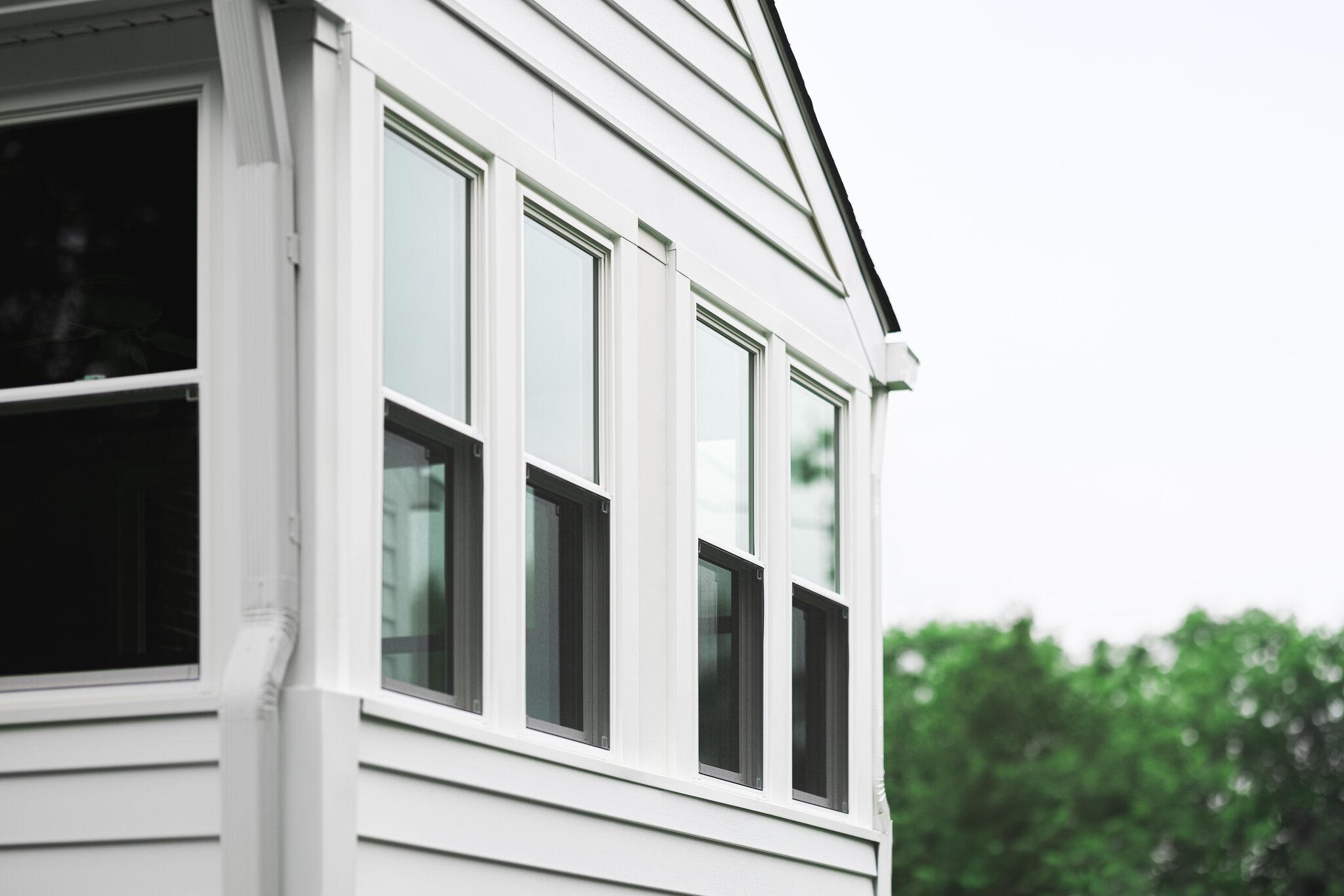
Single-hung and double-hung windows are two of the most common window styles found in homes, and at first glance, they can look almost identical. The main difference comes down to how they operate: a single-hung window has one movable sash, while a double-hung window has two.
That one design difference can affect ventilation, cleaning, placement, and cost. Here are five things homeowners should know when comparing single-hung vs. double-hung windows.
1. The sashes operate differently
The biggest difference between single-hung and double-hung windows is how the sashes move.
A sash is the framed portion of the window that holds the glass. With a single-hung window, the bottom sash moves vertically while the upper sash remains fixed.
With a double-hung window, both the upper and lower sashes can move. Homeowners can open the bottom, the top, or both at the same time. However, when the windows are closed the two styles can look very similar.
2. Double-hung windows offer more ventilation options
Because both sashes operate, double-hung windows give homeowners more flexibility when it comes to airflow.
A single-hung window allows airflow through the lower sash only, while a double-hung window gives homeowners the flexibility to ventilate through the upper sash, lower sash, or both. Opening both can create more natural circulation, allowing warmer air to escape from the top as cooler air enters below.
For homeowners who like having more control over ventilation, this can be a useful feature.
3. Cleaning can be easier with double-hung windows
Cleaning is another practical difference between the two styles.
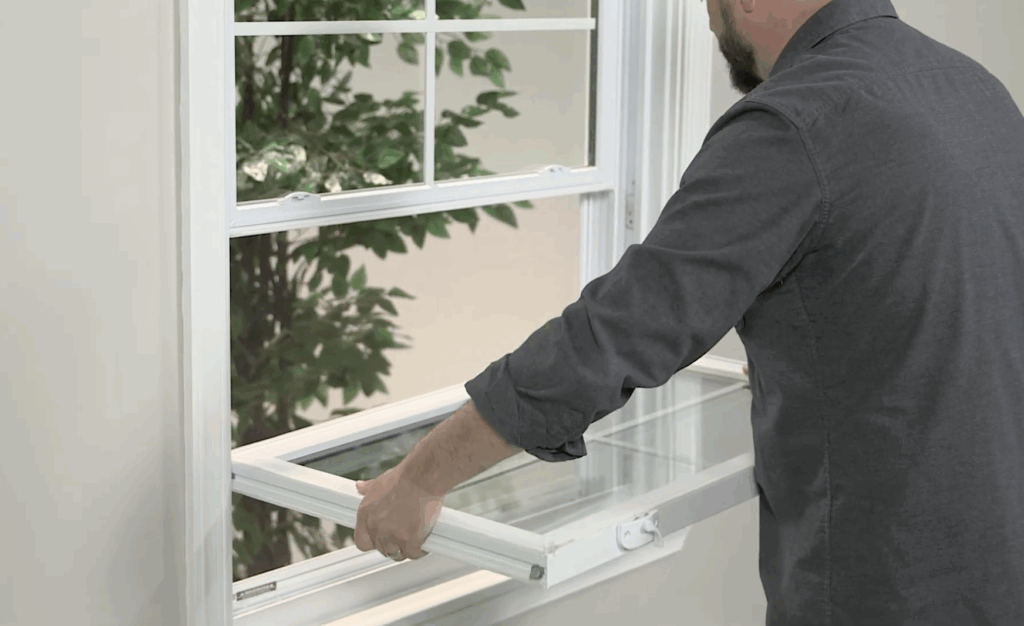
Many modern double-hung windows are designed with sashes that tilt inward. This can make it easier to clean both sides of the glass from inside the home, particularly on upper floors.
With a single-hung window, the fixed upper sash may be harder to access from indoors depending on the design.
For second-story windows or homes where exterior access is limited, ease of cleaning may be an important factor to consider.
4. Placement can depend on how the room is used
There isn’t one rule for where single-hung or double-hung windows should be installed. Homeowners can think about how they use each room and which features matter most.
A single-hung window may make sense in a space where straightforward operation is the priority and upper-sash ventilation isn’t necessary; but, a double-hung window may be a better fit in rooms where homeowners want more control over airflow or easier access for cleaning.
Homeowners also don’t necessarily need to choose the same window style throughout the entire house. Different rooms may have different needs.
5. Single-hung windows can sometimes cost less
Because single-hung windows have fewer operable components, they can sometimes be the more economical option. Double-hung windows may cost more because both sashes move and additional hardware is required.
That said, window style is only one factor that affects the overall cost of replacement windows. Size, frame material, glass package, custom sizing, installation complexity, and other features can all influence the final price.
Which window is right for your home?
The best choice comes down to how you plan to use the window.
Single-hung windows offer straightforward operation and may provide a more budget-conscious option. Double-hung windows offer more flexibility for ventilation and cleaning.
When replacing windows, homeowners should also consider factors beyond style, including glass performance, frame construction, proper sizing, and professional installation.
Interested in learning more about replacement windows? Explore POWER’s window services or schedule a free estimate to find the right option for your home
Back to News