Oct 31, 2026
What Is Low-E Glass?
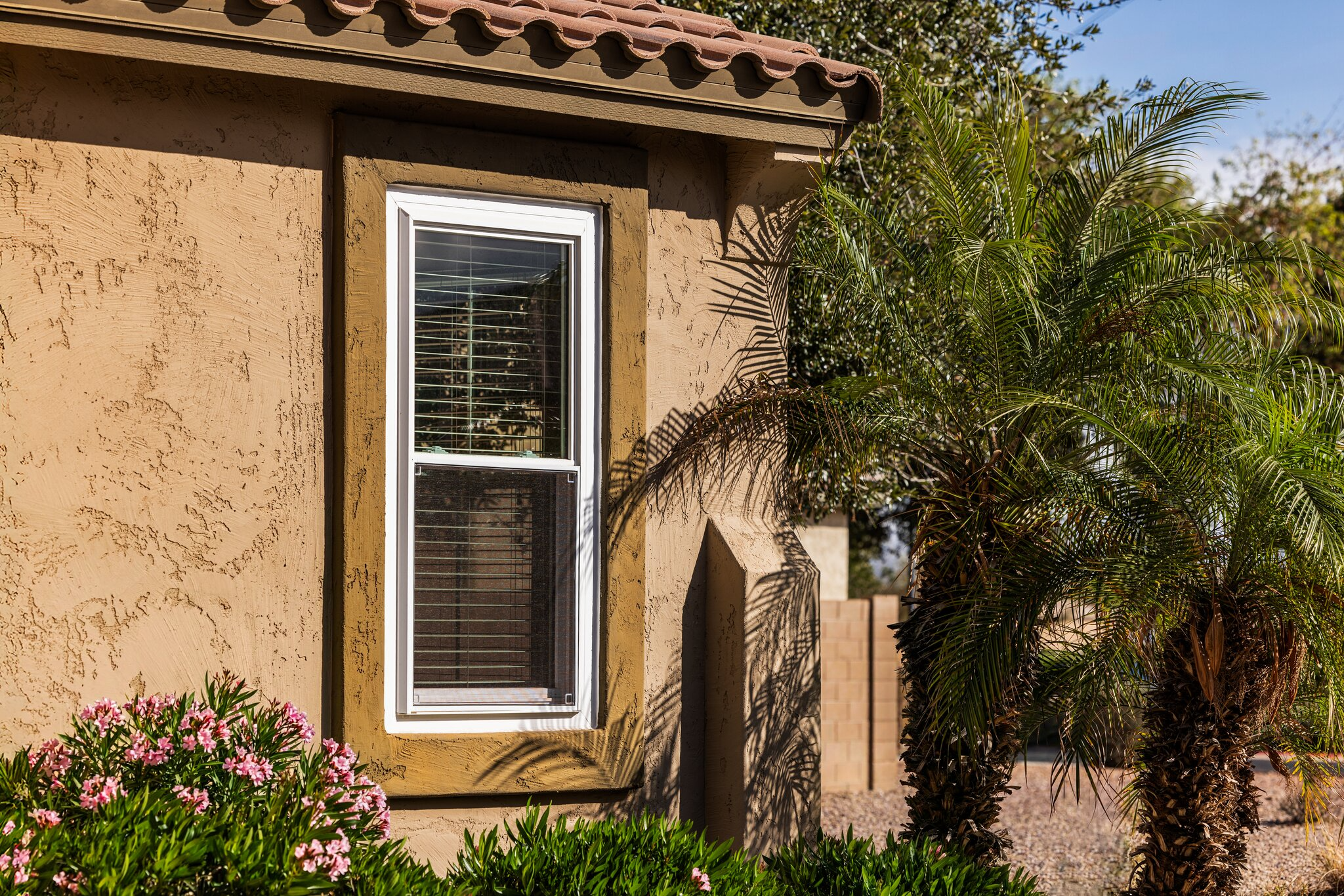
When shopping for replacement windows, you may come across the term ‘Low-E glass.’ Short for low-emissivity, Low-E refers to a nearly invisible metallic coating applied to window glass to help regulate heat transfer.
Low-E glass can help keep your home warmer in the winter and cooler in the summer, improving year-round comfort and energy efficiency.
But how does Low-E glass work, are there different types of Low-E, and what should homeowners look for when choosing replacement windows?
How Does Low-E Glass Work?
Low-E coatings are made from microscopic layers of metal applied to glass during manufacturing. These coatings help reduce heat transfer through windows while still allowing natural light to enter the home.
In double-pane windows, the coating is typically applied to the outside-facing pane from the inside and lives in the sealed space between the panes. This protects the coating from everyday contact and exposure to the elements.
Depending on the window design, the coating can help reflect heat back into the home during colder months and reduce unwanted solar heat gain during warmer weather.
Hard-Coat vs. Soft-Coat Low-E Glass
There are two primary types of Low-E coatings: hard-coat and soft-coat, but not all Low-E is created equal.
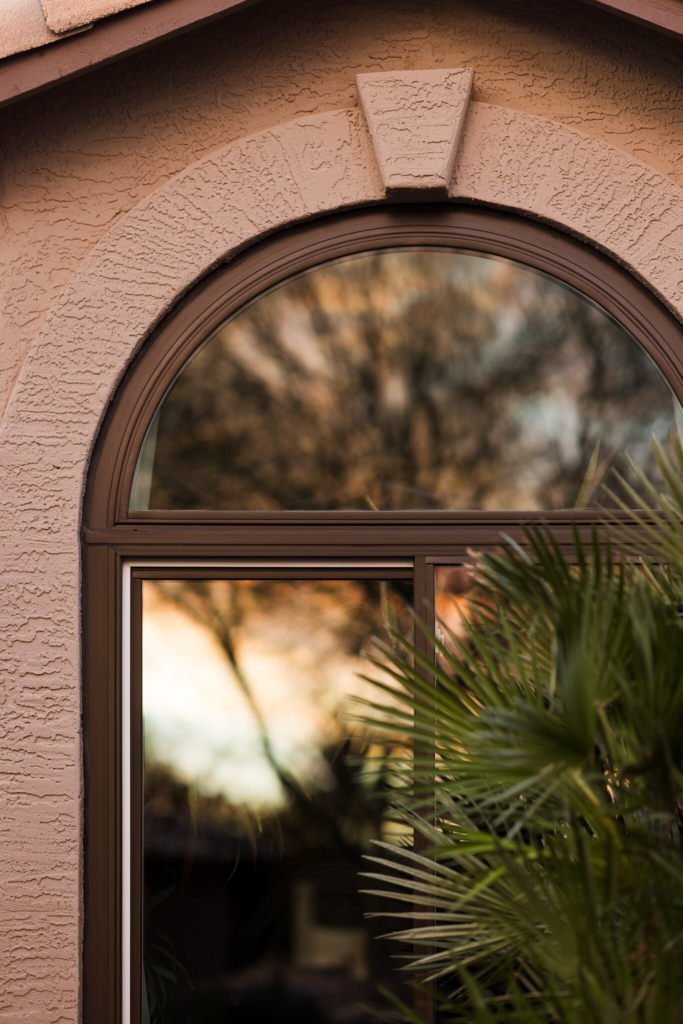
Hard-coat Low-E: Applied while the glass is still hot during manufacturing, creating a durable coating that generally allows more solar heat to pass through.
Soft-coat Low-E: Applied after the glass has cooled, typically using multiple thin layers of metal, including silver. These coatings offer greater flexibility in controlling heat transfer and solar heat gain, but require protection within a sealed glass unit.
- The Budget Option (Tin Oxide): Many basic or “hard-coat” windows use tin oxide. While durable and cheaper to manufacture, tin doesn’t reflect heat nearly as well as its precious metal counterparts.
- The Shortcut Option (Nickel): This lower-end “soft-coat” option is often sold to consumers as a “high-performance” coating, as it substitutes premium silver with cheaper base materials like nickel. The issue with nickel is that it often absorbs heat rather than reflecting it and darkens the glass.
- The Premium Option (Silver): High-performance “soft-coat” windows use layers of microscopic, pure silver. Silver acts as an invisible mirror, reflecting heat away from your home and trapping your climate-controlled air inside.
Our advice: Make sure you know what type of Low-E you’re getting. When talking to your contractor, instead of asking, “What type of Low-E is the best?”, ask, “Is this a soft-coat or a hard-coat window?”
POWER’s replacement windows feature a double-pane glass package with a triple-silver Low-E coating on the inner surface of the exterior pane. The space between the panes is filled with argon gas, which further helps reduce heat transfer.
Does Low-E Glass Affect the Window’s Appearance?
Although Low-E coatings are extremely thin, they can slightly change the appearance of window glass.
Some coatings create a subtle tint or darker appearance, depending on the number and composition of metallic layers. Others allow more visible light to pass through, maintaining a clearer appearance.
For homeowners, it’s important to consider both energy performance and aesthetics when selecting replacement windows.
Does Climate Matter When Choosing Low-E Glass?
Absolutely. Not every Low-E coating is designed to perform the same way in every climate.
In warmer regions, homeowners may benefit from windows designed to reduce solar heat gain, helping limit unwanted heat from entering the home. In colder climates, the priority may be retaining indoor heat while allowing some beneficial solar warmth inside.
Homeowners can compare window performance using two key ratings:
- U-Factor: Measures how effectively a window limits heat transfer. Lower values indicate better insulation.
- Solar Heat Gain Coefficient (SHGC): Measures how much solar heat passes through a window. Lower values indicate less solar heat gain.
The National Fenestration Rating Council (NFRC) provides independent performance ratings to help homeowners compare window options.
Why Proper Window Installation Matters
Even the most energy-efficient glass can underperform if the window isn’t installed correctly. Beyond Low-E coatings, homeowners should consider frame materials, construction quality, weatherstripping, and insulation.
Accurate measurements and professional installation matter just as much. Gaps between the window frame and surrounding wall should be properly sealed and insulated to help prevent drafts and unwanted heat transfer. Vinyl frames, for example, naturally resist heat conduction, while welded corners and properly sealed openings help minimize air infiltration.
Choosing the Right Windows for Your Home
Low-E glass is just one component of an energy-efficient window. The right combination of glass, framing, insulation, and professional installation can help improve comfort and performance year-round.
Learn More About Windows With These Articles
- What is Solar Heat Gain Coefficient? Understanding how windows affect comfort and energy efficiency
- The Different Styles of Windows and What You Need to Know
Interested in upgrading your home’s windows? Explore POWER’s replacement window options.
Back to News