Jul 8, 2026
What Is Solar Heat Gain Coefficient? Understanding How Windows Affect Comfort and Energy Efficiency
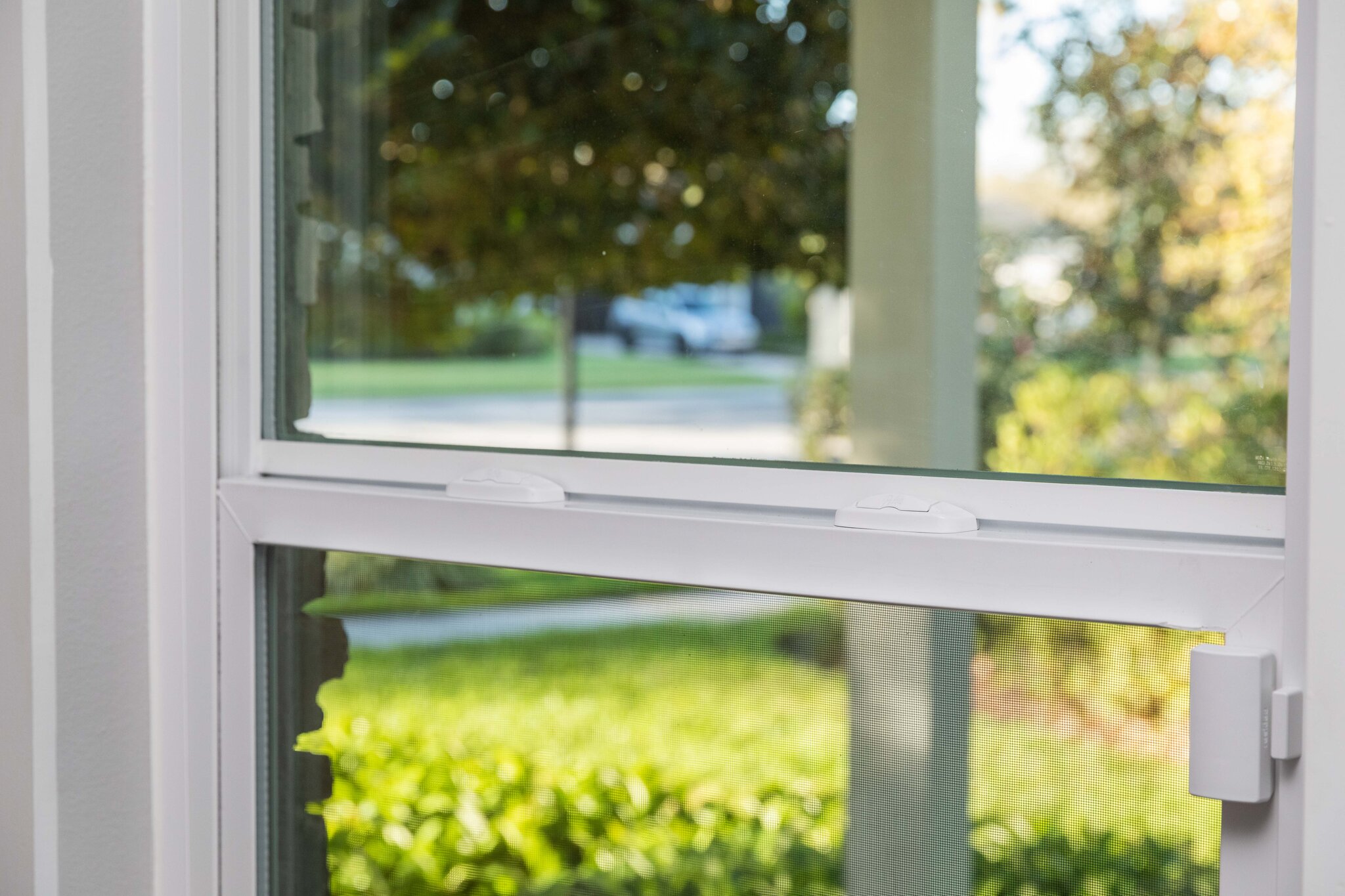
Have you ever walked past a window and suddenly felt the room get noticeably warmer? Maybe one room in your home becomes unbearably hot every afternoon, or opening the blinds feels like opening an oven door.
Many homeowners chalk those moments up to hot weather, but they’re often signs that too much solar heat is passing through the glass of their windows.
That measurement has a name: Solar Heat Gain Coefficient, or SHGC. While the term sounds technical, understanding what it means can help homeowners make more informed decisions about window replacement, energy efficiency, and even the lifespan of their HVAC system.
We spoke with Jeff Gordun, Vice President of Delivery in POWER’s Phoenix territory, who spends every day helping homeowners identify the causes of uncomfortable rooms, rising energy bills, and inefficient windows. Here’s what homeowners should know.
What Is Solar Heat Gain Coefficient (SHGC)?
SHGC measures how much radiant heat from the sun passes through a window’s glass. The rating is expressed on a scale from 0 to 1, typically shown as a decimal. For example, a window with an SHGC of 0.19 allows just 19% of the sun’s potential heat to pass through the glass.
As for the rating, “the lower the better for hot summers,” says Gordun.
Simply put, lower SHGC ratings do a better job of blocking unwanted solar heat before it enters your home. Higher ratings allow more heat to pass through, making it harder for your cooling system to maintain a comfortable indoor temperature.
“Just think of it as a percentage,” Gordun explains. “If a window has a Solar Heat Gain Coefficient of 0.20, only 20% of all possible solar heat is getting through the glass.”
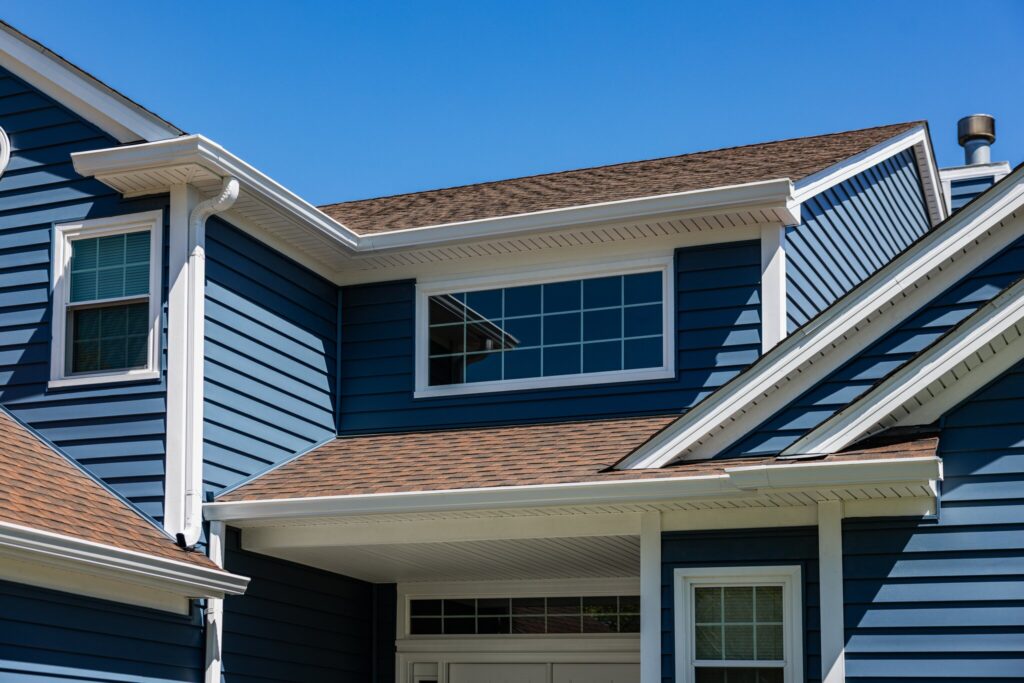
POWER’s windows feature SHGC of 0.19 to 0.22, placing them in what Gordun and industry standards consider an excellent range for reducing heat transfer while maintaining natural daylight.
Of course, SHGC isn’t the only measurement that matters. The ideal window performance depends on your home’s climate, orientation, and overall energy goals.
How Can You Tell If Your Windows Have a High SHGC?
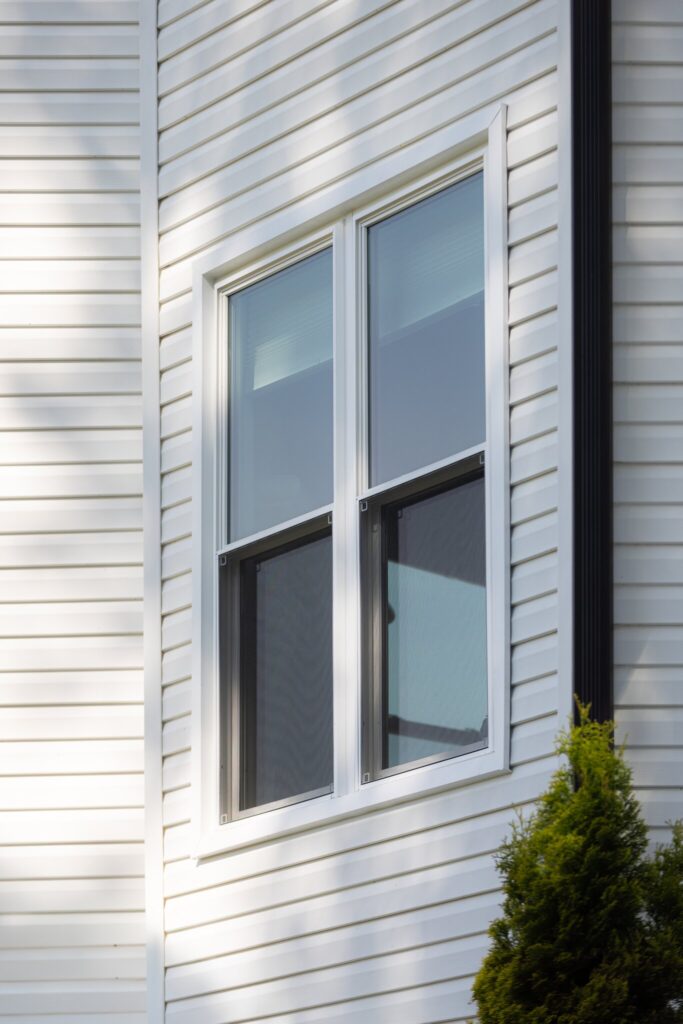
Most homeowners have never heard the term “Solar Heat Gain Coefficient,” but many experience the symptoms every day.
“No homeowner ever calls and brings up that term,” says Gordun. “But what they complain about is exactly what we’re talking about.”
Some of the most common signs include:
- Feeling a noticeable increase in temperature when standing near a window
- Rooms with more windows feeling significantly hotter than others
- Rooms that become especially warm during the afternoon, particularly those with western or southern-facing windows
- Opening the blinds and immediately feeling a rush of heat enter the room
- Your air conditioner running constantly while parts of the home still feel uncomfortably warm
“It’s almost like always having your window open,” Gordun says when describing excessive heat transfer through older or inefficient windows.
Homes in areas with prolonged sun exposure may experience these issues more dramatically, but homeowners across the country can have similar problems depending on window quality, home orientation, and the season.
Solar Heat Gain Coefficient vs. U-Factor: What’s the Difference?
Solar Heat Gain Coefficient is often listed alongside another window performance rating: U-factor. Although the two measurements are related, they evaluate different aspects of a window’s performance.
While SHGC refers to how much solar heat passes through the glass itself, U-factor measures how well the entire window unit resists heat transfer. That includes the glass, frame, spacers, insulating gas between the panes, and the window’s overall construction.
Deciding which rating matters more depends largely on where you live.
In hot, sunny climates like Phoenix, Las Vegas, or much of the Southwest, Gordun says SHGC typically carries more weight because homeowners are trying to keep as much solar heat outside as possible.
In colder climates throughout the Midwest and Northeast, U-factor often becomes the more important measurement because homeowners are focused on keeping heated air inside during long winters. In some cases, allowing a small amount of solar heat into the home can even be beneficial during colder months.
Rather than viewing one rating as universally better than the other, homeowners should consider both values together and choose windows designed for the climate where they live.
Can You Reduce Heat Transfer Without Replacing Your Windows?
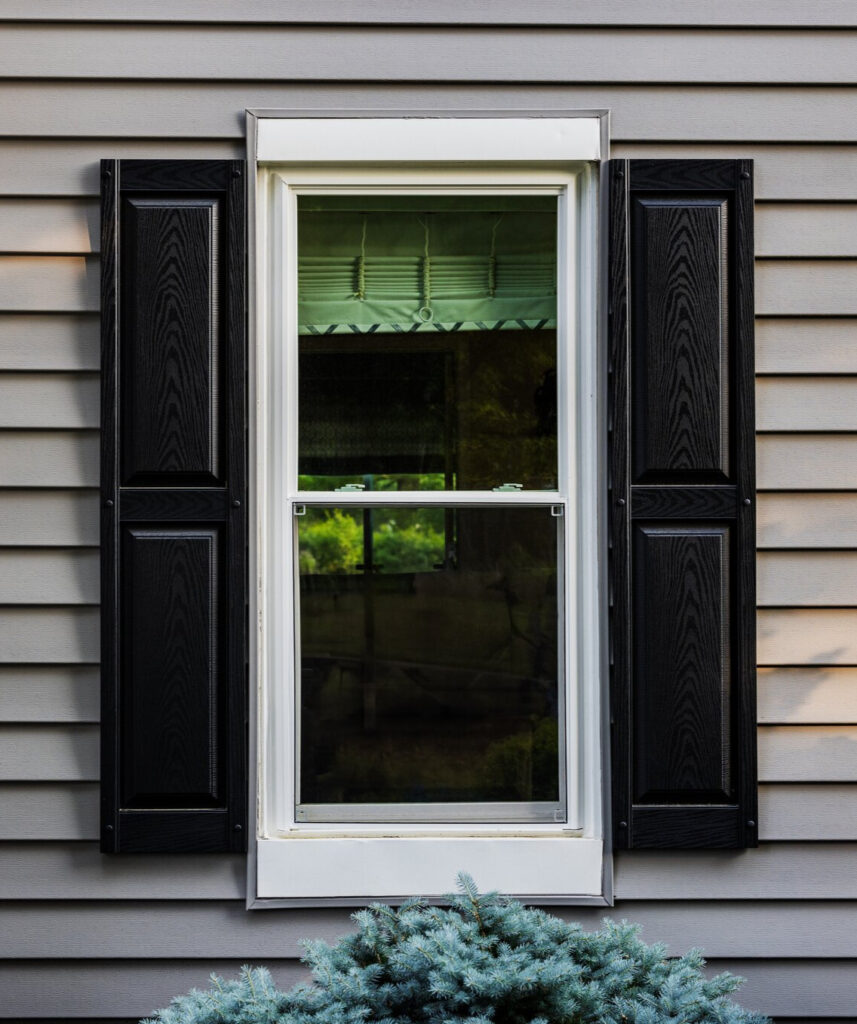
If replacing your windows isn’t in the immediate plans, there are several ways to temporarily reduce the amount of solar heat entering your home.
According to Gordun, creating shade is one of the most effective short-term solutions.
For the exterior:
- Exterior sunshades
- Awnings
- Pergolas
- Trees and landscaping
For the interior:
- Heavy blinds
- Shutters
- Insulating curtains
- Adhesive window films
While these solutions can improve comfort, Gordun views them as temporary fixes rather than long-term solutions.
There’s More to a Window Than Its Performance Ratings
Performance ratings like SHGC and U-factor are important, but Gordun says they shouldn’t be the only factors homeowners consider when evaluating replacement windows.
“We’ve seen really good windows with a lot of problems because they weren’t installed the right way,” Gordun says.
Installation quality can affect everything from air leakage and moisture intrusion to long-term durability. That’s why Gordun recommends working with a company that not only offers a quality product but also stands behind its installation and warranty.
Another important consideration is whether the window is custom-built for your home or selected from standard sizes.
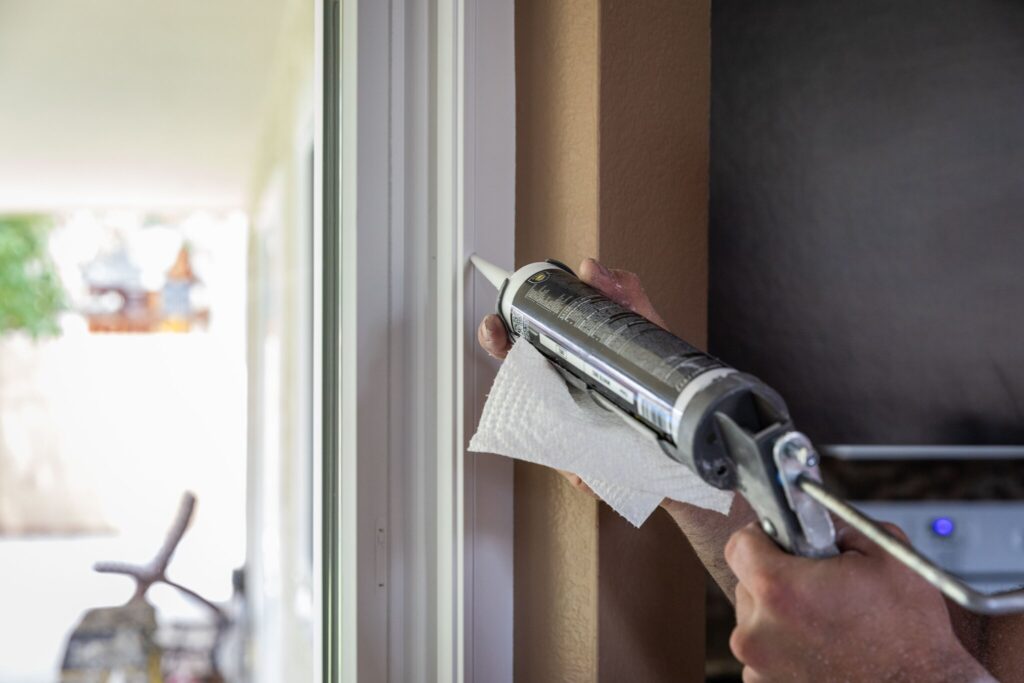
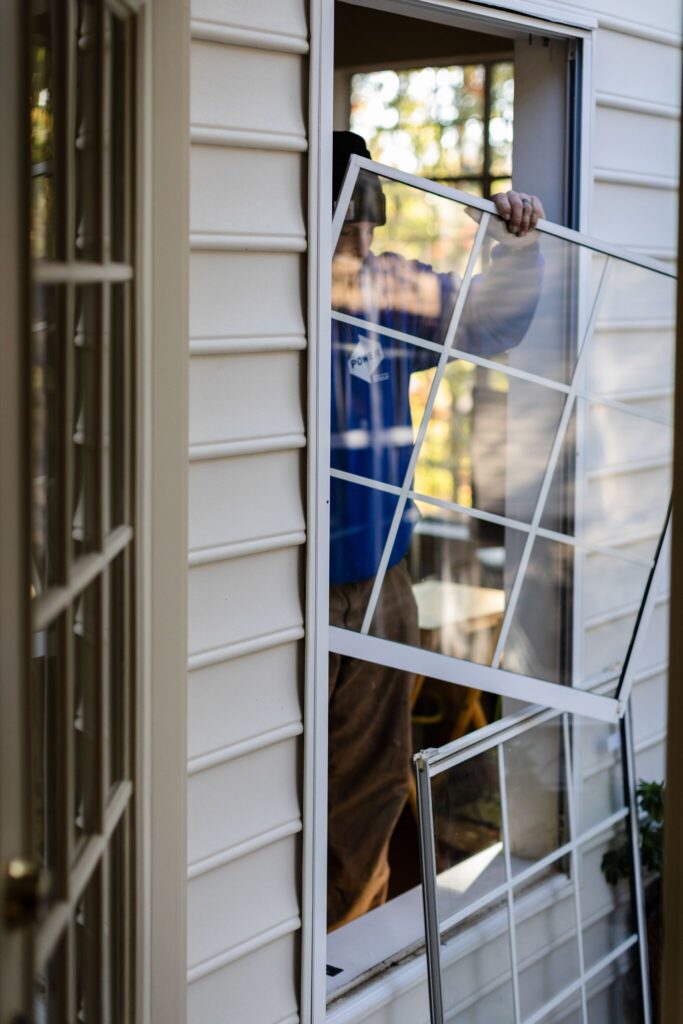
POWER’s replacement windows are custom-manufactured for each individual opening rather than selected from the closest available stock size. That custom fit helps create a tighter seal, improves overall performance, and reduces the need for excessive fillers or adjustments during installation.
“When you’re comparing windows, you’re really comparing the whole package,” Gordun explains. “The product matters, but so does who’s installing it, the warranty behind it, and whether the company will still be there if you ever need them.”
When Should You Consider Replacing Your Windows?
Many homeowners wait until a window breaks before thinking about replacement, but efficiency alone can be a reason to upgrade.
“If your windows are over 10 years old, it’s definitely worth having an expert come out and give you an opinion,” says Gordun.
Visual clues can also suggest it’s time for a closer look, including:
- Yellowing or discoloration of vinyl components caused by years of sun exposure
- Decorative grids that have become brittle and fallen between the panes of glass
- Visible screw plugs or replacement hardware that may indicate previous repairs
- Water staining, cracks, or other signs of deterioration
Before & After Window Replacement
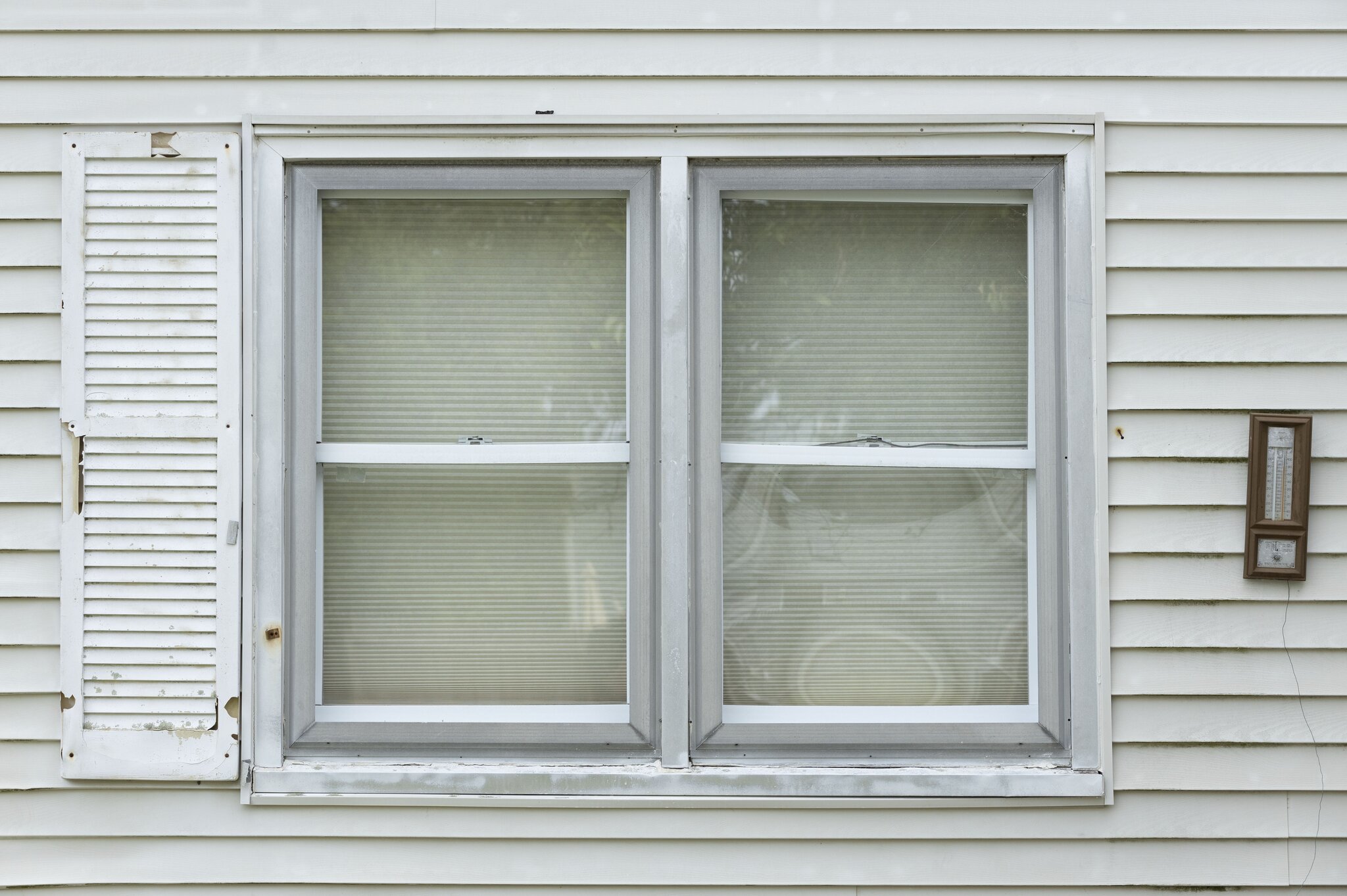
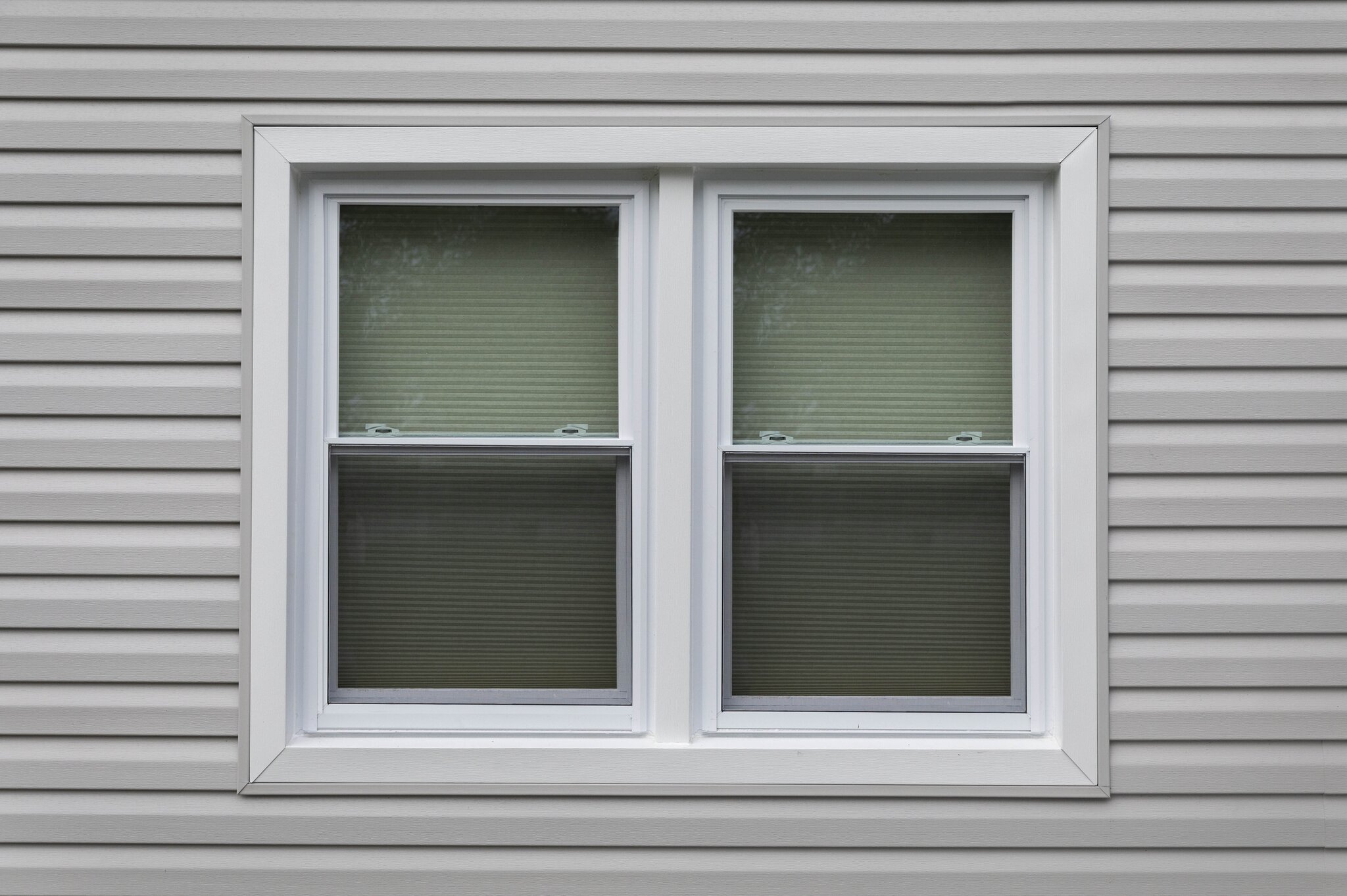
Even if only one window begins showing signs of failure, Gordun says the others often aren’t far behind. “They’re all the same age,” he explains. “If one starts to go, that usually means the dominoes are going to start to fall.”
Homeowners can also purchase an inexpensive infrared heat gun from a home improvement store to identify areas where excessive heat transfer may be occurring. While these tools won’t diagnose every issue, they can help pinpoint windows that deserve a closer inspection.
Improving Your Windows Can Help Protect More Than Your Energy Bill
Efficient windows do more than keep your home comfortable—they also reduce the workload on your heating and cooling system. When excessive solar heat pours through inefficient windows, your air conditioner has to work continuously to offset it. In many homes, HVAC vents sit directly beneath windows, meaning cool air is immediately fighting the heat entering through the glass.
“It’s almost like leaving your window open,” Gordun says. “All that cool air is trying to cool the house while all that heat is coming right back in.”
By reducing heat transfer, energy-efficient windows can help lower cooling costs, improve comfort throughout the home, and potentially extend the life of one of your home’s most expensive mechanical systems.
Choosing the Right Windows Starts with the Right Expert
Because every home experiences heat transfer, the best windows for your home depend on your region’s climate, your home’s orientation, and the condition of your existing windows.
Whether you’re noticing rooms that become uncomfortably warm in the afternoon, rising utility bills, or windows that are simply showing their age, understanding performance ratings like SHGC and U-factor is a great tool for homeowners to have in their arsenal.
Just remember that those numbers are only part of the equation. Proper installation, quality craftsmanship, and a custom fit all play an equally important role in how your windows perform over time.
If your windows are more than 10 years old or you’ve noticed signs of excessive heat transfer, schedule a free in-home estimate with a POWER expert. We’ll evaluate your current windows, identify opportunities to improve comfort and efficiency, and recommend the best solution for your home and climate.
Back to News