Jul 10, 2026
What Does Insulated Vinyl Siding Actually Do? A Smarter Way to Protect Your Home
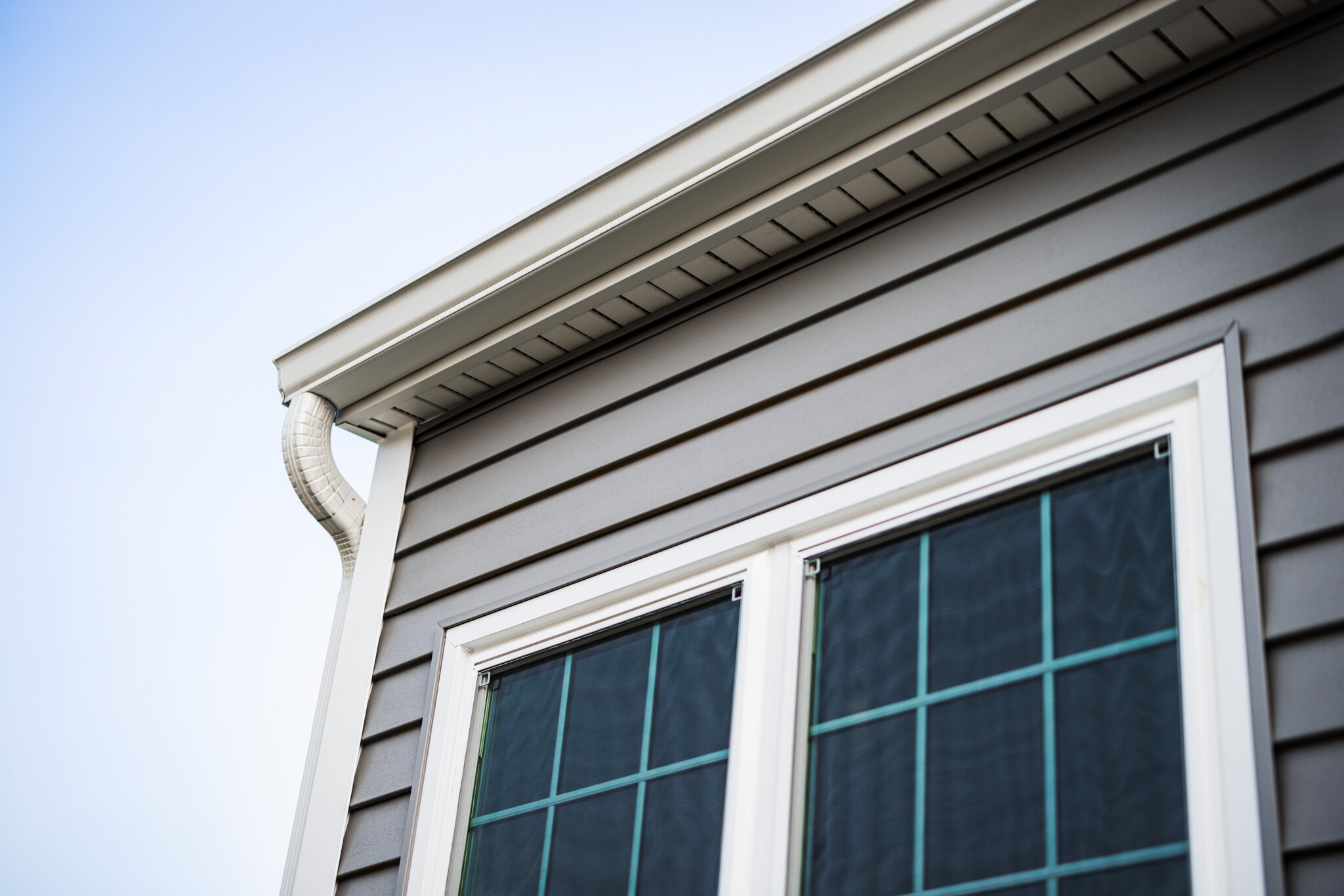
A home’s exterior is constantly working—even when you don’t notice it.
Every day, your siding protects your home from rain, wind, changing temperatures, and UV exposure while helping shield the structure beneath it. As one of the largest components of your home’s exterior, siding plays a critical role in protecting the structure and supporting your home’s overall efficiency.
But not every siding system performs the same. Understanding the difference between traditional vinyl siding and insulated vinyl siding can help homeowners make more informed decisions when it’s time for repairs or replacement.
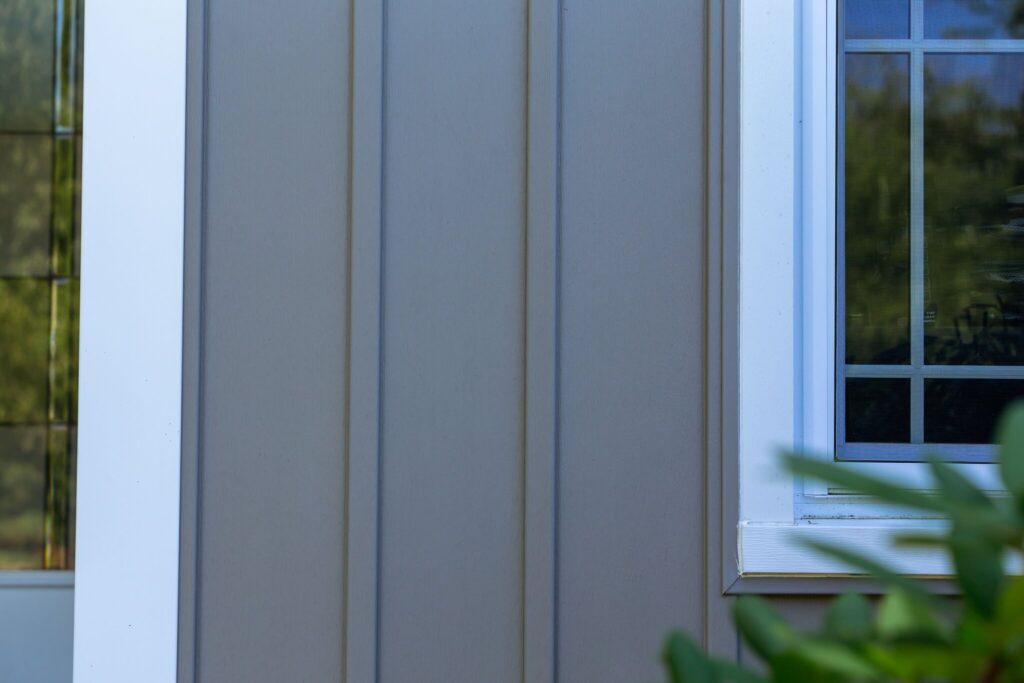
From Exterior Finish to Performance System
Don’t think of your home’s exterior as a collection of independent products. Siding works alongside your windows, doors, trim, and sealants to create a continuous barrier against the elements.
We spoke with Michael Coddington, Vice President of Delivery in POWER’s Philadelphia territory, who explained why siding should be viewed in the context of the home’s entire exterior envelope—not as a standalone system.
“Siding isn’t just the covering on your home—it’s part of the home’s entire performance system,” says Coddington. “When it’s installed correctly and integrated with your windows, doors and trim, it helps protect against moisture, air leaks and energy loss.”
While style, color, and curb appeal often drive homeowners’ decisions, Coddington says performance should carry equal weight. A siding system that looks great but allows moisture intrusion, air leakage, or unnecessary heat transfer ultimately isn’t doing its job. That’s where insulated vinyl siding begins to separate itself from traditional vinyl products.
What Is Vinyl Siding?
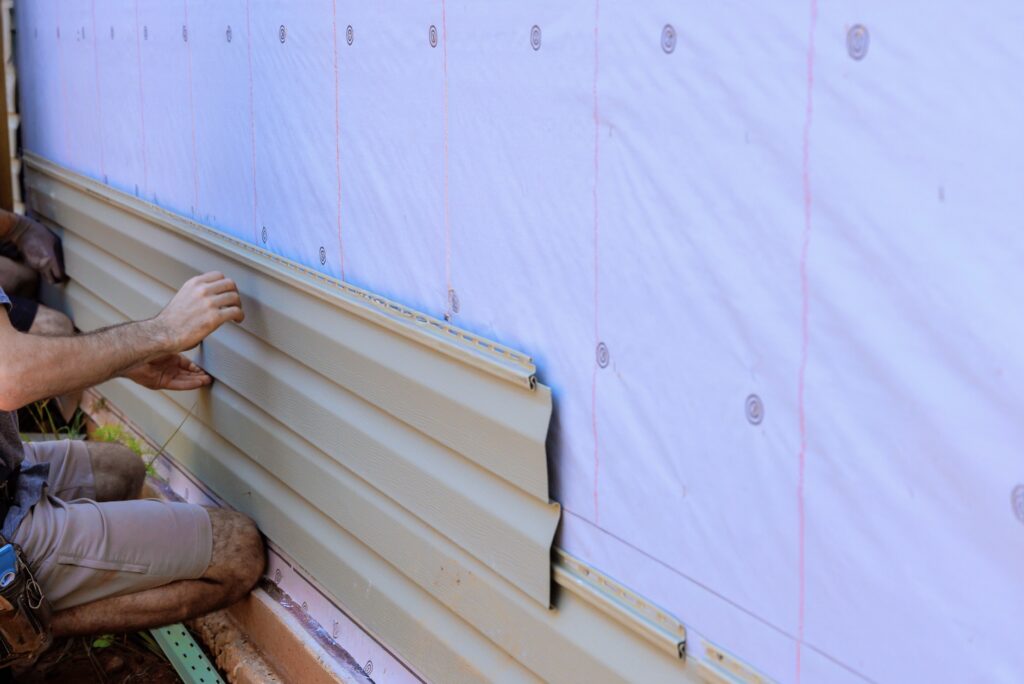
Vinyl siding is an exterior cladding made from polyvinyl chloride (PVC), a durable plastic engineered to withstand years of exposure to rain, snow, sunlight, and changing temperatures with relatively little maintenance. Unlike wood, it won’t rot or become a food source for insects, making it one of the most widely used siding materials in North America.
According to the National Association of Home Builders (NAHB), as of 2025, vinyl siding is the most commonly used exterior wall material on newly built single-family homes in the United States.
What makes vinyl so popular is its versatility, durability, and relatively affordable cost. It performs well in nearly every region of the U.S., is available in a wide range of colors, textures, and profiles, and requires less maintenance than many other siding materials.
What Makes Insulated Vinyl Siding Different?
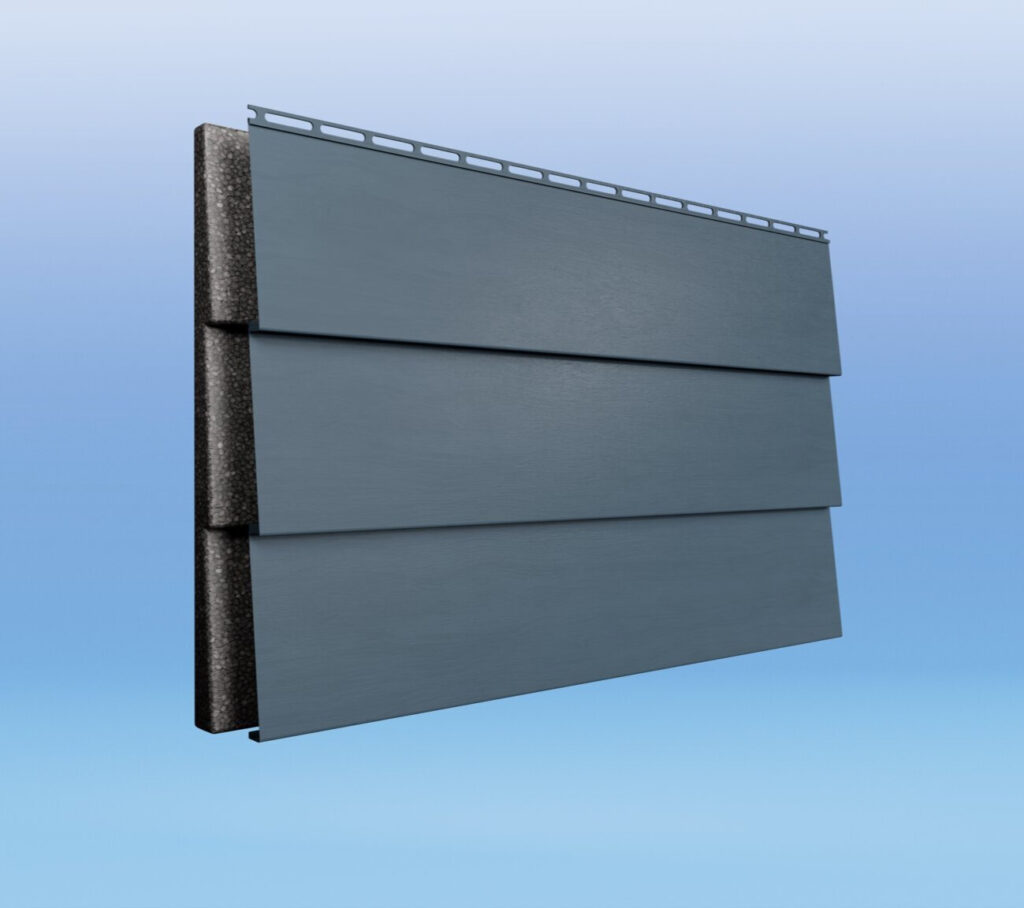
Traditional vinyl siding provides a weather-resistant exterior, but its decorative profiles naturally create hollow spaces between the siding panel and the home’s exterior wall.
Insulated vinyl siding fills those contours with rigid foam insulation permanently bonded to the back of each panel. The foam allows the siding to sit more securely against the home, increasing rigidity while helping reduce heat transfer through the wall.
The added support also helps reduce panel movement over time, making insulated siding less susceptible to cracking, warping, and everyday wear.
What Is R-Value?
One of the biggest performance differences between traditional and insulated siding comes down to R-value. R-value measures how well a material resists heat transfer. Simply put, the higher the R-value, the better a material slows the movement of heat through your home’s walls.
Every home begins with a different baseline R-value depending on how it was built and what insulation already exists inside the walls. Rather than replacing that insulation, insulated siding adds to the home’s existing thermal performance.
Instead of focusing on a specific R-value number, homeowners are more likely to notice what improved insulation does: helping their heating and cooling system maintain comfortable indoor temperatures with less effort.
When your home’s exterior better resists heat transfer, your HVAC system doesn’t have to work as hard to maintain a comfortable indoor temperature. Over time, that can reduce unnecessary wear while helping improve overall energy efficiency.
Signs Your Siding May Not Be Performing as It Should
Siding problems aren’t always obvious. A home can still look fine from the street while allowing moisture or air to enter where it shouldn’t.
Common warning signs include:
- Cracked, loose, or warped siding panels
- Gaps around trim or corners
- Water staining or organic growth
- Drafts near exterior walls
- Rising heating and cooling costs
- Interior moisture issues without an obvious source
In many cases, homeowners assume these issues originate from their roof, windows, or doors. Because all of these exterior components work together, the siding system itself may actually be contributing to the problem.
“People often think maintenance-free means you never have to look at your siding again, but that’s not really the case,” says Coddington. “Walking around your home once a year to look for gaps, cracks, or failing sections can help catch small issues before they become expensive repairs.”
If something doesn’t look right during one of these inspections, a professional can determine whether the issue is cosmetic or affecting the home’s overall performance.
Builder-Grade Siding: When Should You Take a Closer Look?
Many production-built homes are constructed using builder-grade materials selected to meet construction schedules and budgets. Depending on both the quality of the materials and how they were installed, performance can vary significantly from one home to another.
Insulated vinyl siding became commercially available during the 1990s and saw broader adoption throughout the early 2000s. If your home was built before then, there’s a good chance it wasn’t constructed with insulated siding.
Insulated siding benefits homes in every climate because it helps slow heat transfer through exterior walls. Homeowners in colder climates may notice the greatest benefit during long heating seasons, while homeowners in warmer climates can also benefit from reducing heat entering the home and easing the workload on their cooling systems.
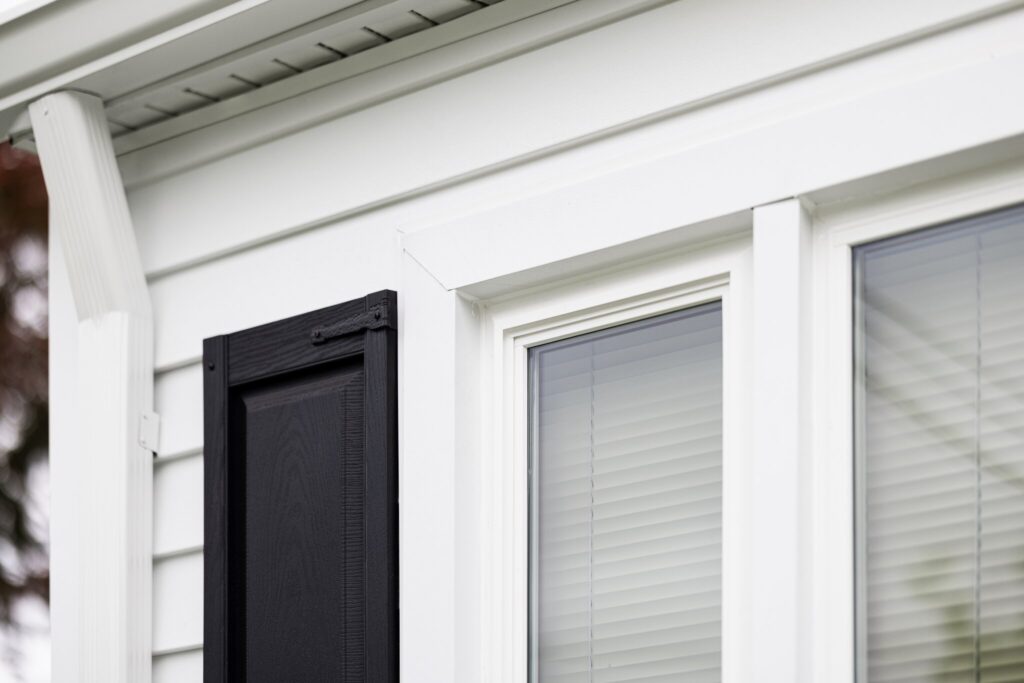
Choosing the Right Material for Your Home
Every siding material has its own strengths. Fiber cement siding consistently ranks among the highest exterior remodeling projects for resale value in the Journal of Light Construction’s annual Cost vs. Value Report, making it an attractive option for homeowners focused primarily on return on investment.
Insulated vinyl siding offers different advantages. Its foam-backed construction is designed to improve thermal performance while increasing rigidity and reducing panel movement over time.
Ultimately, it’s important to remember that resale value and thermal performance measure different things. One evaluates how much of your investment you may recover when selling your home, while the other measures how effectively the siding helps regulate indoor temperatures and improve comfort. The best choice depends on your home’s needs, your climate, and your long-term priorities.
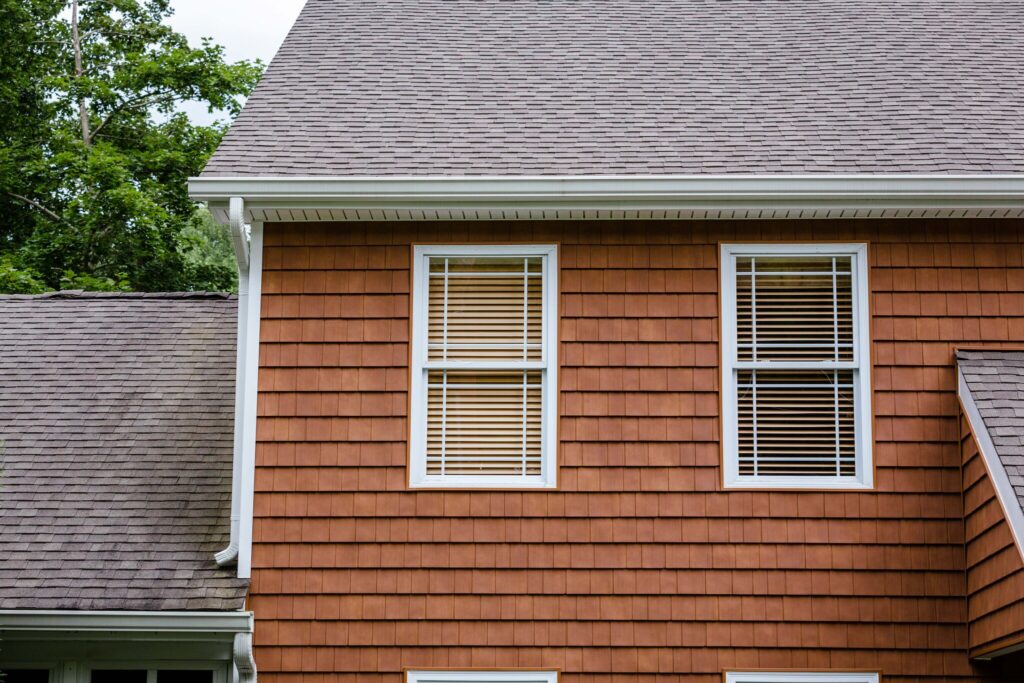
Protect Your Home From the Outside In
Your siding is more than an exterior finish—it’s part of a larger system that protects and preserves your home every day.
Understanding how that system works can help you make more informed decisions about maintenance, repairs, and future upgrades.
If you’re unsure whether your siding is performing as well as it should, schedule a free in-home estimate with a POWER expert. We’ll evaluate your home’s entire exterior system and provide personalized recommendations to help improve comfort, durability, and long-term performance.
Back to News