Feb 11, 2026
After the Deep Freeze: What Homeowners on the East Coast and in the Midwest Should Check First
After another bitter stretch of winter across the East Coast, and deep freezes impacting much of the Midwest, many homeowners are left wondering what damage may be hiding beneath the snow and ice.
A harsh winter storm followed by sustained freezing temperatures can quietly create problems that don’t show up until weeks later. What looks like a little ice along the roof-line can quickly snowball into larger structural issues. Read on to learn what homeowners on the East Cost and Midwest should check first.
Ice dams, damaged gutters, and shingle deterioration are some of the most common results of prolonged winter weather—especially in homes where roofing, insulation, and ventilation aren’t working together properly.
And it all starts at the top.
The roof is the most important protective system of the home. If it isn’t shedding water properly, managing snow and ice, and protecting the structure beneath it, the rest of the house is vulnerable. While you can’t control the weather, a properly installed and maintained roofing system goes a long way toward preventing costly damage.
What Does a Roof Have to Do with a Deep Freeze?
Your roof is your home’s first line of defense against the elements, keeping moisture out, heat in, and structural components protected from the impact of snow, ice, and wind-driven debris.
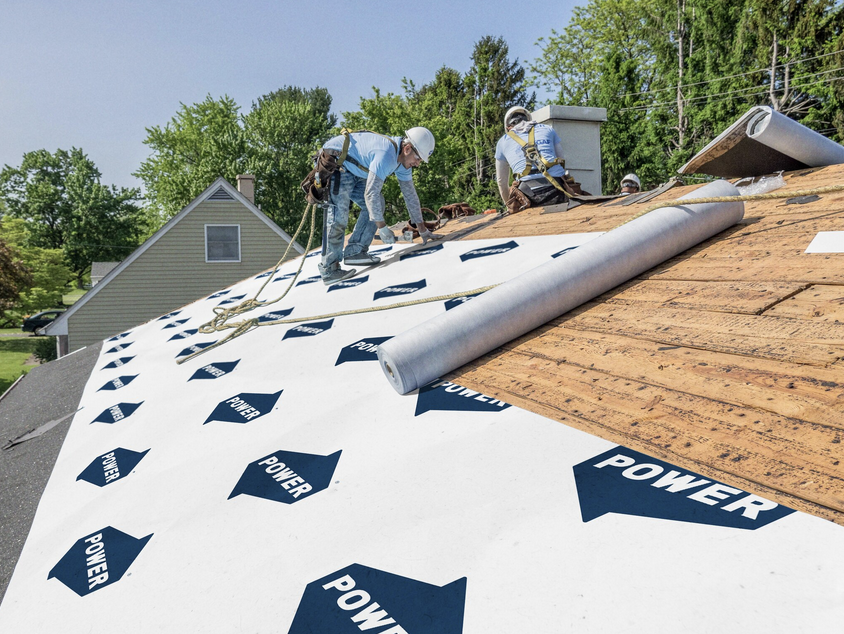
Most residential roofs are asphalt shingle systems built in layers:
- Wood decking (the structural base)
- Water-resistant underlayment
- Ice and water shield along the eaves and valleys
- Metal drip edge to prevent moisture wicking
- Asphalt shingles as the outer weather barrier
It’s important to remember: roofs are weather-resistant, not weatherproof. Over time, freeze-thaw cycles can compromise wood decking—particularly at the eaves and around roof penetrations like vents, plumbing pipes, and chimneys.
The weight of ice also impacts gutters. Heavy ice buildup can cause gutters to sag or pull away from the fascia board. When that happens, melting water can bypass the gutter entirely and soak into the roof edge, creating a ripple effect of moisture damage.
What Should Be Checked After a Winter Storm?
Once conditions are safe, homeowners should inspect three main areas: the roof, gutters, and attic.
Outside, look for:
- Lifted, cracked, or missing shingles
- Sagging or detached gutters
- Heavy icicles forming along the eaves
- Ice buildup that appears uneven across the roof-line
Inside the attic, check for:
- Damp insulation
- Staining or darkened wood on the underside of the decking
- Frost buildup (a sign of condensation and poor ventilation)
- Musty odors
If you’re unsure what to look for—or uncomfortable inspecting these areas—a qualified roofing professional can safely assess potential damage before it escalates.
What Can Happen to the Home’s Exterior Components?
Ice Damming
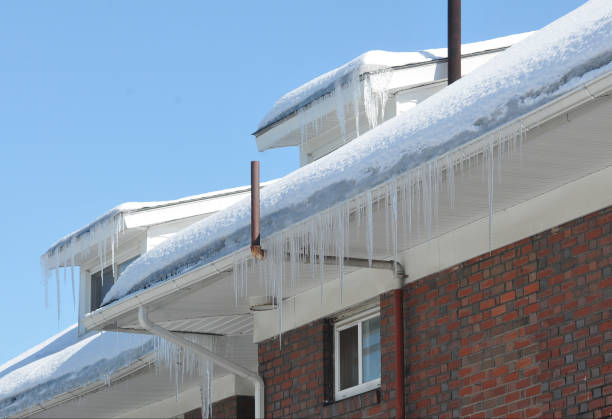
Ice dams form when heat escapes from the home and melts snow underneath the roof surface. The melted water flows downward, hits the colder eaves, refreezes, and builds up.
As the ice thickens, it can force water up beneath the shingles. While ice and water shield helps prevent leaks in these areas, it does not stop ice dams from forming. The real solution involves proper insulation and ventilation working together.
Ice damming is especially common during Midwest cold snaps and East Coast “vortex” conditions, where temperatures fluctuate just enough to create repeated freeze-thaw cycles.
Wood Damage at the Eaves and Penetrations
Moisture often collects where the roof meets the gutters. If water bypasses the drip edge or seeps around the flashing, it can wick into the wood at the eaves.
Other vulnerable areas include:
- Around plumbing vent pipes
- At chimney flashing
- Near roof valleys
Vent pipe “boots” are designed to shed water away from penetrations, but over time they can crack or deteriorate. When that happens, moisture can enter and damage the decking below.
Shingle Damage
Winter weather stresses shingles in several ways:
- Thermal cracking: Extreme temperature swings cause shingles to expand and contract, leading to splits.
- Wind lift: Strong winter winds can break the seal between shingles.
- Hail impact: Unlike snow, hail is dense and forceful. In regions like the Midwest—particularly hail-prone areas—hail can bruise shingles and shorten their lifespan significantly. Snow itself is relatively light. Ice and hail are what typically cause the more serious impact damage.
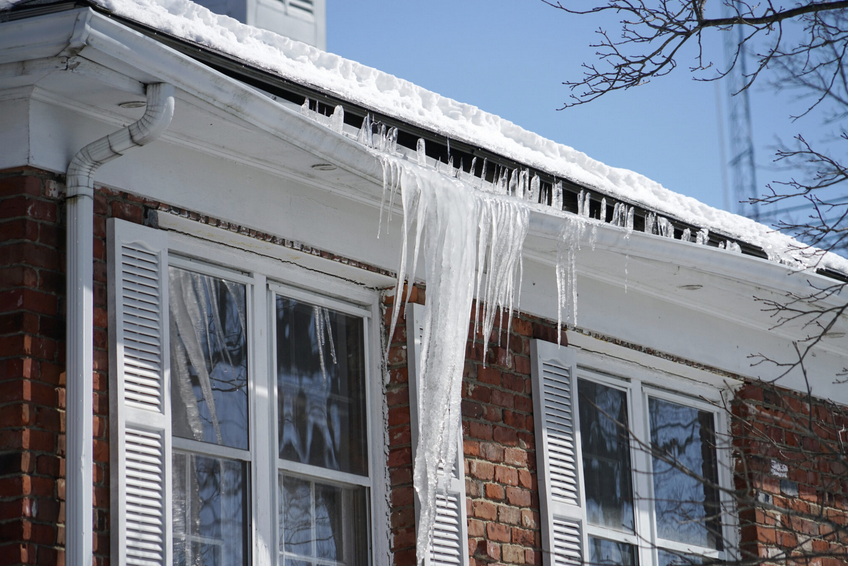
Gutters and Drainage Systems
Ice-filled gutters become heavy. That weight can:
- Pull gutters away from the fascia
- Bend brackets
- Disrupt proper drainage
When water can’t flow freely away from the home, it often finds another path, usually into places it shouldn’t.
Siding, Windows, and Doors
Deep freezes also affect vertical exterior components: siding, windows, and doors.
Vinyl Siding
- Look for loose or missing panels after wind events.
- Check for cracks caused by brittle, cold temperatures.
Windows and Doors
- Temperature swings can cause pressure cracks in older glass.
- Seal failures may lead to fogging between panes.
- Caulking can shrink or split during extended freezes.
Re-caulking where window trim meets siding, and where flashing meets exterior materials helps restore a watertight seal heading into spring rains.
Consult a Professional
Not all winter damage is immediately visible. If you notice multiple areas of concern, sagging gutters, visible wood rot, or attic moisture, it’s time to consult a qualified roofing professional. A post-freeze inspection can identify compromised components before they require full replacement.
Winter storms are inevitable, but long-term damage doesn’t have to be. The key is knowing what to look for and acting before minor issues turn into major repairs.
Talk to a professional to learn more ways on how to safeguard your home from the elements, and see if there are upgrades available to fortify your roof, windows, and more.
Back to News