Oct 13, 2026
How Much Does A New Roof Cost?
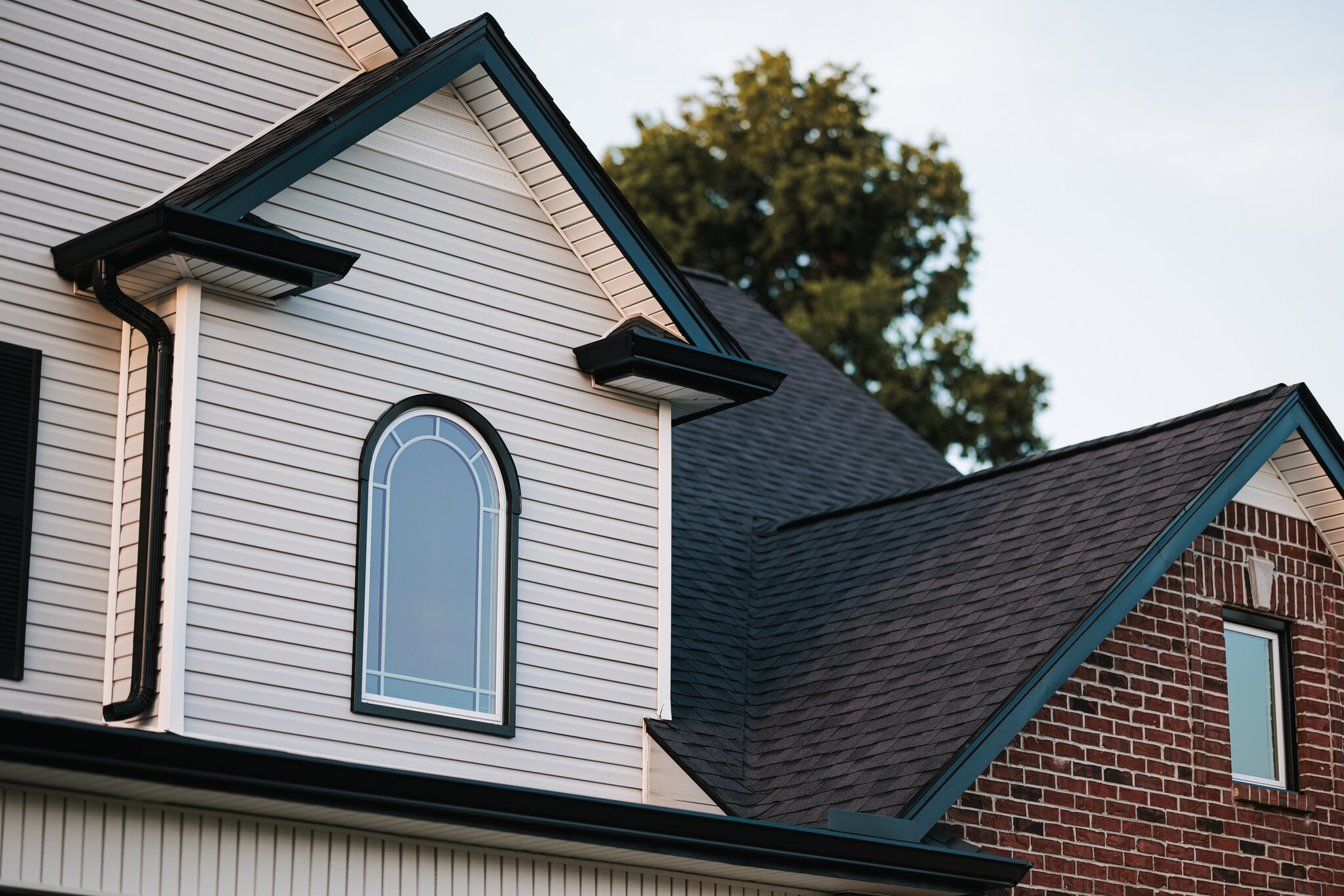
Roof replacements are no simple task—for both homeowner and installer. Roof replacement costs depend on many variables that affect the final $$$ spent. The cost or costs can vary significantly based on factors like the roof size and complexity, its existing condition, labor, the scope of work, and the materials used.
Because every home and roofing system is different, it’s difficult to provide an exact estimate without first inspecting the roof. An accredited professional can evaluate the existing roof’s condition, identify what needs to be repaired or replaced, and determine the full scope of the project.
A complete roof replacement also involves much more than shingles. From the roof deck and underlayment to flashing, ventilation, and other protective components, each part of the roofing system can influence the overall cost. Below, we break down the key factors and materials that can affect the price of a new roof.
What we’ll cover:
What Determines the Cost of a New Roof?
Several factors can influence the cost of a roof replacement, including the size, pitch, and complexity of the roof, the condition of the existing roofing system, labor and accessibility, tear-off and disposal needs, permitting, and the materials used.
The scope can also change once the existing roof is removed. For example, damaged roof decking may not be visible until tear-off, which can add to the overall project cost. For that reason, two homes of similar size can still have very different roofing estimates.
Types of Roofing Projects and How They Affect Cost
Not every roof replacement involves the same scope of work. Two of the most common approaches are a layover and a full tear-off, and they can differ significantly in price.
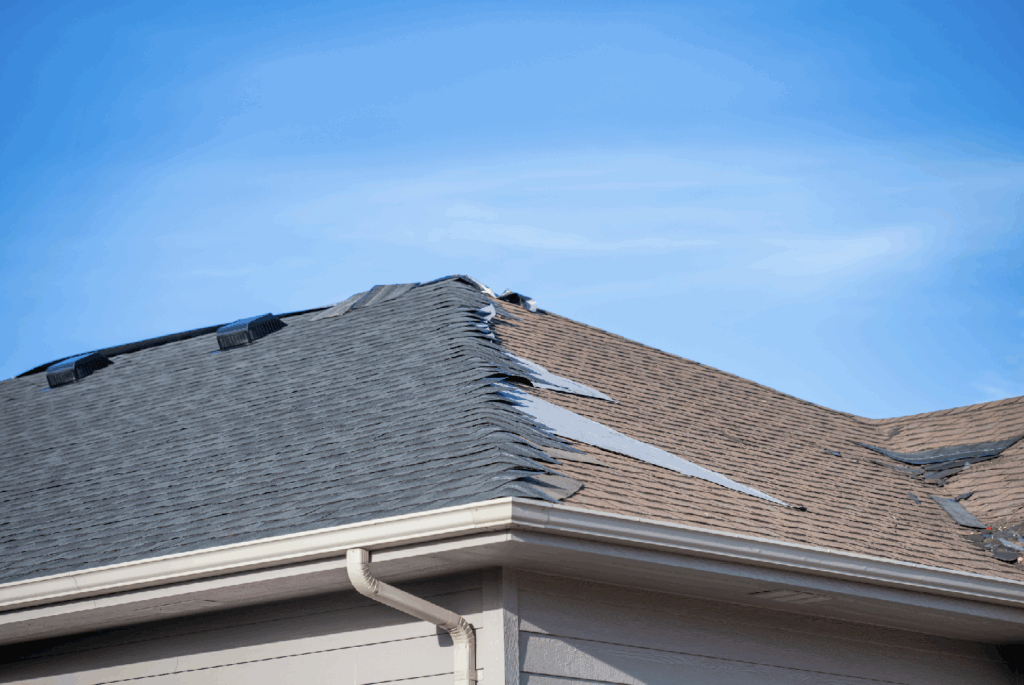
- A roof-over involves installing new shingles over an existing layer of roofing, which is generally more affordable than a layover because it requires less labor, tear-off, and disposal. This approach is only possible if the roof is in suitable condition and local building codes permit it, and it hasn’t already been covered with a second layer.
- Full tear-off and replacement involves removing existing roofing materials down to the roof deck before installing new roofing. This is usually more expensive due to labor, disposal, and potential repairs. It also allows the installer to inspect the underlying deck and address any damage before rebuilding the roof.
Roofing Materials and Components That Affect Price
A new roof is made up of several components that work together as a complete system. Each layer serves a different purpose, and the materials used within those components can affect the project’s overall cost.
Below, we break down the major components of a new roof in the order they are installed—from the structural roof deck outward to the shingles and finishing elements.
Roof Decking or Sheathing
Roof decking, also called sheathing, creates the structural foundation that the rest of the roofing system is installed on. The most common sheathing materials used in residential construction include:
- OSB: Generally one of the more affordable residential options and commonly used in modern construction.
- Plywood: Typically costs more than OSB but offers strong durability and moisture resistance.
- Wood planks: Common on older homes. Rather than being selected for a new roof, existing plank decking may need repairs or additional work depending on its condition.
For most roof replacements, the biggest cost factor is whether the existing decking can remain or damaged sections need to be replaced.
Ice and Water / Leak Barrier
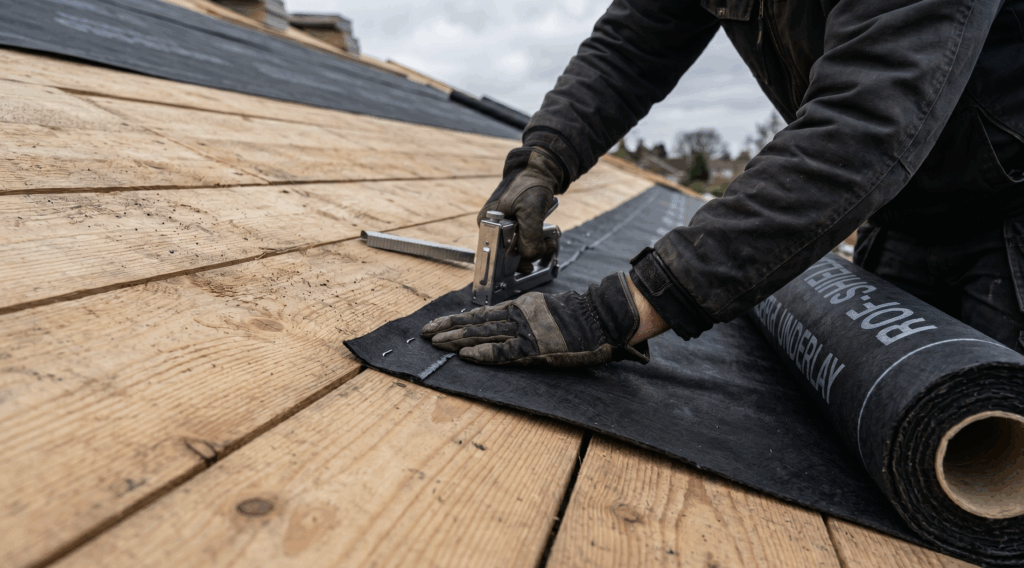
An ice and water barrier is a self-adhering membrane installed directly on the roof deck to provide added protection against water intrusion.
- Standard coverage: Typically applied to vulnerable areas like eaves, valleys, chimneys, skylights, and other roof penetrations.
- Expanded coverage: The membrane can be installed across larger portions or the entire roof for additional protection–increasing both material and labor costs.
The amount of coverage needed depends on factors like roof design, climate, local building requirements, and the roofing system being installed.
Underlayment
Roofing underlayment sits between the roof deck and shingles, adding a secondary layer of moisture protection.
- Felt: Typically the most affordable option. It has been used for decades but is heavier and more prone to tearing than newer materials.
- Synthetic: A step up in price, synthetic underlayment is lightweight, durable, and tear-resistant.
Cost matters, but selecting underlayment also depends on the roof design, climate, local requirements, and the roofing system being installed.
Drip Edge
Drip edge is installed along the roof edges to direct runoff away from the roof deck and into the gutters.
- Aluminum: A common and relatively affordable residential option. It is lightweight and rust-resistant.
- Galvanized steel: Strong and durable, particularly in areas exposed to higher winds, but can be susceptible to corrosion over time.
- Copper: A premium option known for its durability, longevity, and distinctive appearance.
Flashing and Pipe Boots
Flashing and pipe boots help prevent water from entering around vulnerable areas such as chimneys, valleys, walls, plumbing vents, and other roof penetrations.
- Aluminum or galvanized steel: Common, cost-effective choices for residential flashing.
- Specialty or heavier-gauge metals: Can increase material and installation costs.
- Copper: A premium option valued for its durability and resistance to corrosion.
The complexity of the roof matters here. More valleys, chimneys, skylights, and penetrations generally mean more flashing materials and installation labor.
Shingles
Shingles form the visible outer layer of the roof and are one of the biggest material variables affecting price.
- 3-tab asphalt shingles: Generally the most affordable asphalt option, with a flatter and more uniform appearance.
- Architectural shingles: A step up in price, these shingles use multiple layers to create greater dimension and may offer additional performance features.
- Designer or premium shingles: Typically the most expensive asphalt option, offering more distinctive styles, heavier construction, and enhanced performance features.
Other materials like metal, wood, clay, and slate can come at significantly different price points, but asphalt offers one of the widest ranges of options for residential roofing.
For a more detailed breakdown, check out: What Types of Roof Shingles Work Best For Your Home?
Roof Ventilation
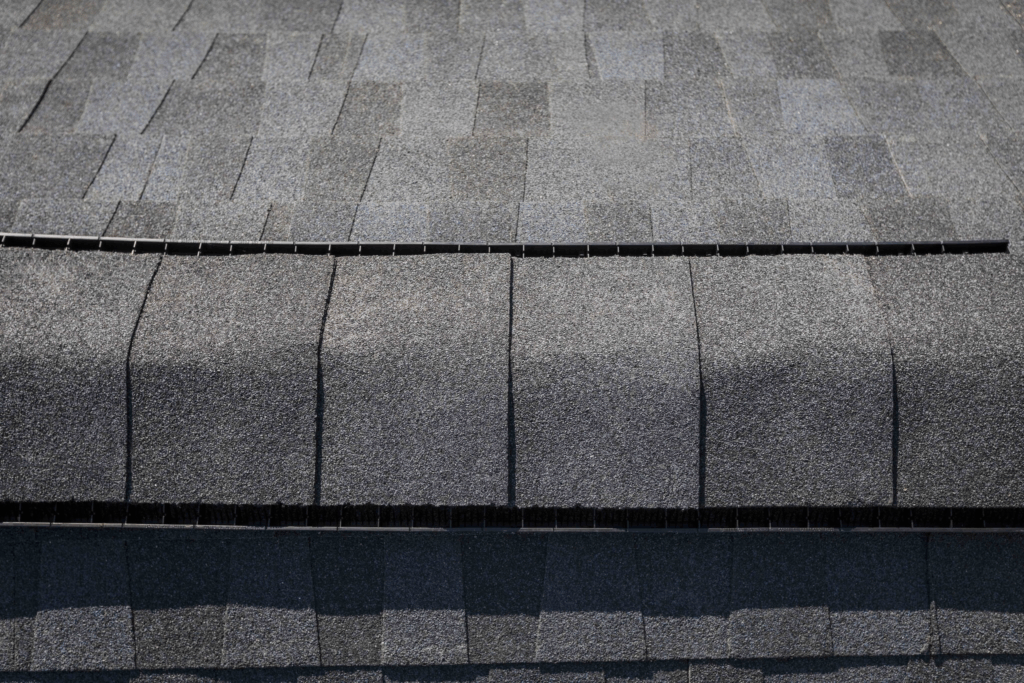
Roof and attic ventilation helps manage heat and moisture by allowing air to circulate through the attic space.
- Box vents: A relatively simple passive ventilation option. Multiple vents may be needed depending on attic size.
- Turbine vents: Use wind to help move air through the attic.
- Ridge vents: Installed along the roof ridge to provide continuous exhaust when the roof design allows for it.
- Powered or solar vents: Actively move air using electricity or solar power and generally involve higher equipment and installation costs.
There is no single ventilation system that is best—or least expensive—for every home. The right option depends on roof design, attic size, and striking the right balance between intake and exhaust ventilation.
Other Roofing Components to Consider
Several smaller components are also part of a complete roofing system and can contribute to the final project cost.
- Starter shingles: Installed along the roof’s edges to help secure the first course of shingles and protect against wind uplift.
- Ridge cap shingles: Installed along the hips and ridges of the roof to seal and protect its highest points. These are typically selected to complement the primary shingles.
- Fasteners and accessories: Nails, sealants, and other system-specific accessories may vary depending on the materials and manufacturer being used.
While these pieces may not drive the overall price as much as decking, underlayment, or shingles, they are still worth considering when comparing what is included in different roofing estimates.
Is a More Expensive Roof Always Better?
A higher roofing estimate does not automatically mean a better roof—and a lower estimate does not necessarily mean you’re receiving the same project for less money.
The important question is what’s included in your estimate. One estimate may account for a full tear-off, synthetic underlayment, new flashing, ventilation upgrades, dedicated starter and ridge cap shingles, disposal, and a more comprehensive warranty, while another may cover a much different scope.
The right roofing system ultimately depends on the home’s needs, the homeowner’s budget, local requirements, and how long they plan to stay in the home. Not all roofing systems are created equal, so homeowners should consider long-term value and performance alongside the initial cost.
How to Compare Roofing Estimates
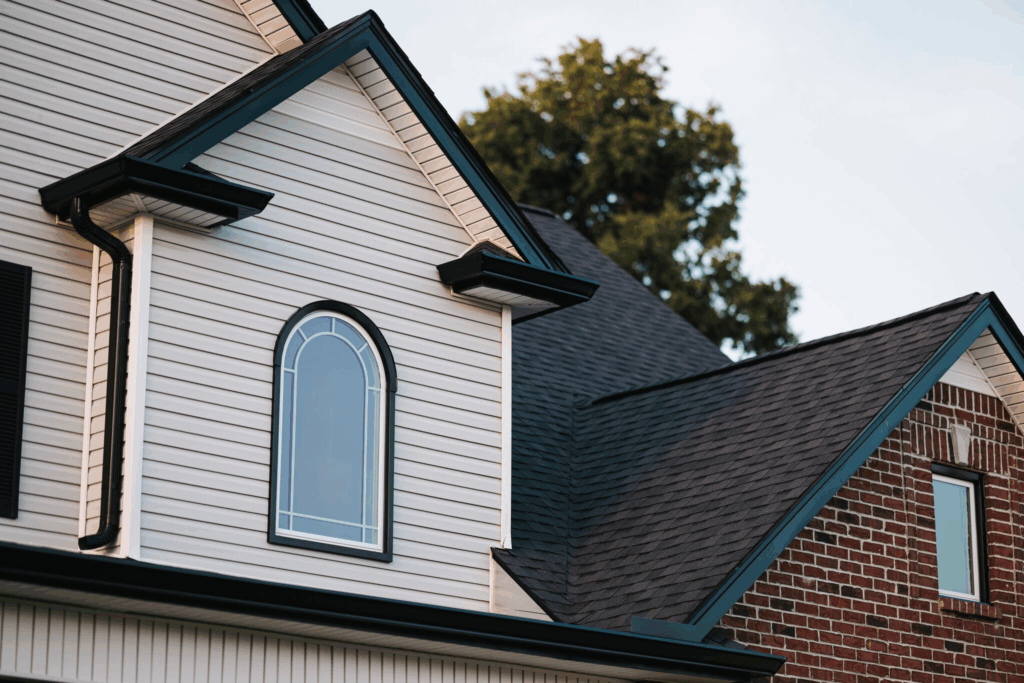
When comparing roofing companies, look beyond the final number and make sure you understand what you’re actually paying for. Consider:
- – Scope of work
- – Materials
- – Potential additional costs
- – Warranties
- – Financing Options
- – Transparency of contractor
Don’t be afraid to receive estimates from multiple roofing companies. Just remember to compare the entire scope of each project—not simply the number at the bottom of the page.
Ready for a new roof?
So, how much does a new roof cost? Ultimately, the answer depends on the home, the condition of the existing roof, the scope of the replacement, and the roofing system being installed.
A professional roof inspection can help determine what your home actually needs and provide a more accurate estimate based on those conditions. From there, understanding what’s included in the proposed system can help you evaluate the cost and invest in your home more confidently.
If you’re considering a roof replacement, a professional inspection can help you better understand your home’s needs and the scope of the project. Explore POWER’s roofing services or schedule a free estimate to get started.
Back to News