Jun 26, 2026
Which Home Renovations Should You Do First? How to Prioritize Projects
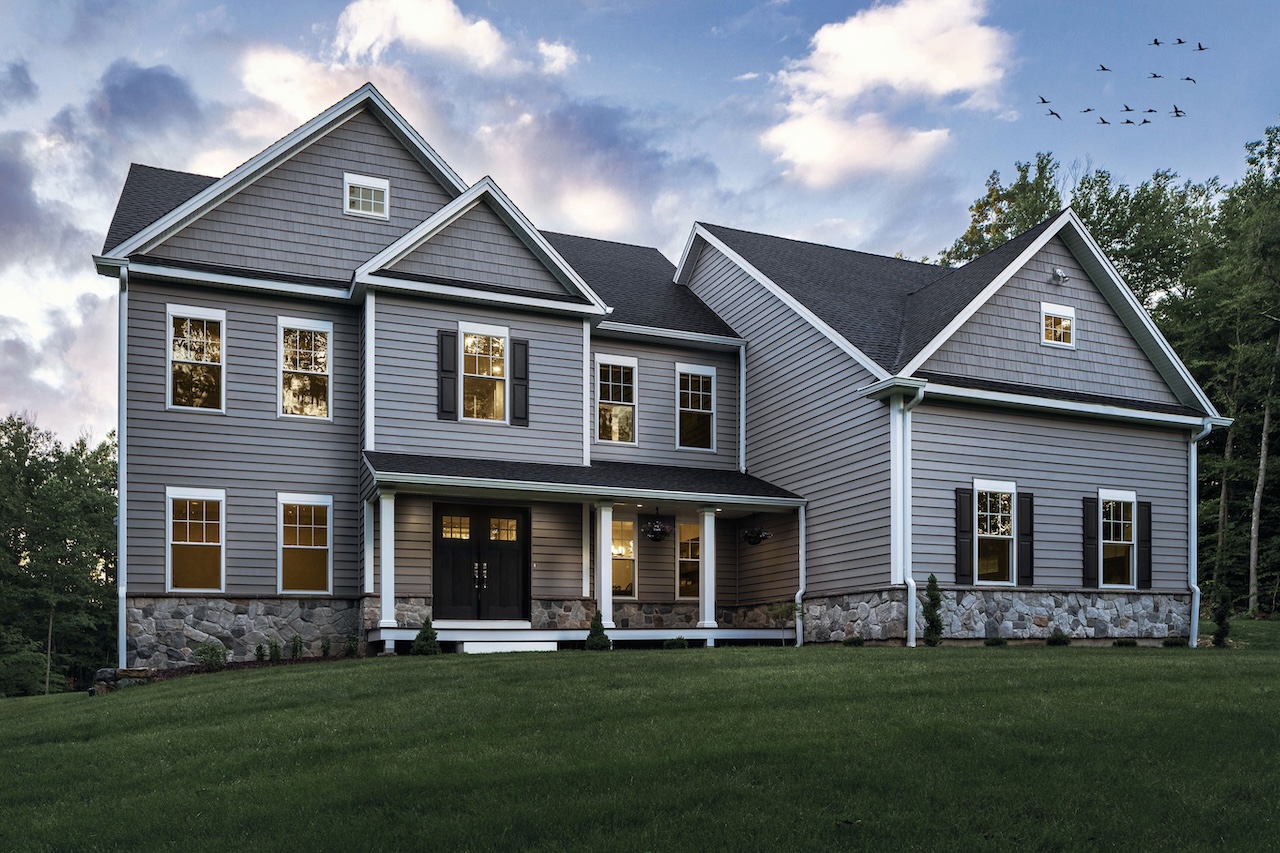
Exterior upgrades can feel overwhelming, especially when multiple parts of your home need attention at the same time.
A new roof, replacement windows, updated siding, improved insulation: each project offers unique benefits, but knowing where to start isn’t always straightforward.
To help homeowners navigate the decision-making process, we spoke with Sean Johnston, Vice President of Delivery for POWER’s Houston territory. Johnston says exterior upgrades typically fall into one of two categories: physical need or emotional value. Sometimes a project is necessary because a system is failing. Other times, homeowners simply want to improve the appearance, comfort, or feel of their home.
His advice? Understand what your home needs first, then determine what matters most to you as a homeowner.
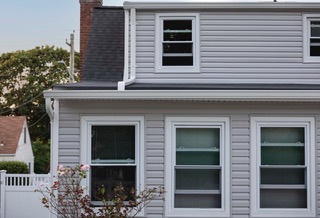
Start with Performance before Appearance
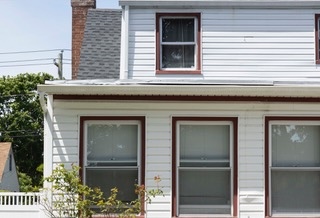
When planning exterior upgrades, it can be tempting to focus on the projects that deliver the biggest visual transformation. But according to Johnston, functionality should always come first. “If your roof has a big hole in it, it doesn’t make a ton of sense to invest in your windows,” he explains.
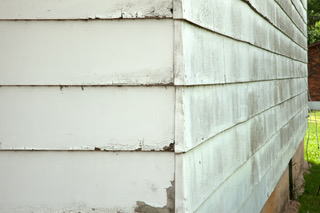
Begin by walking around your home and looking for signs of deterioration, including:
- Water stains or leaks
- Bubbling or peeling paint
- Swollen or warped materials
- Wood rot
- Cracked, damaged, or aging exterior products
Water intrusion should be addressed as quickly as possible, as damage can spread from one system to another over time. If multiple areas need attention, Johnston recommends a top-down approach:
- Roofing
- Siding
- Windows
- Remaining exterior components
When Is It Time for an Upgrade?
Not every exterior problem is obvious.
Many homeowners live with aging, underperforming systems without realizing it. This is especially common in homes built with builder-grade materials, where products may look fine on the surface but no longer perform efficiently.
Ask yourself:
- Is my home 15 to 20 years old or older?
- Have my utility bills steadily increased?
- Does my home feel too hot or too cold despite running my HVAC system?
- Are my exterior products original to the home?
If you answered “yes” to any of these questions, it may be worth having your home’s exterior evaluated by a professional.
Once your home’s immediate needs are addressed, the next step is determining what matters most to you as a homeowner.
Johnston often categorizes remodeling decisions into two groups: physical need and emotional value.
Physical needs focus on performance—addressing leaks, improving energy efficiency, preventing future damage, and ensuring exterior systems perform as intended. Emotional value is what matters most to the homeowner–whether that’s pride of ownership, curb appeal, comfort, or how a home makes you feel when you pull into the driveway each day.
“There’s just a choice that’s right for a particular person,” Johnston says. “Some homeowners prioritize functionality and maintenance concerns, while others prioritize appearance and how their home makes them feel.”
The most successful remodeling projects often strike a balance between the two.
Which Exterior Upgrades Deliver the Most Value?
Once your home’s immediate needs are addressed, homeowners can begin thinking about projects that improve comfort, curb appeal, and long-term value.
According to Johnston, siding and windows often provide the strongest overall return because they improve both appearance and performance.
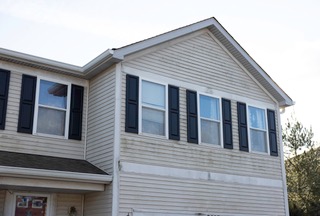
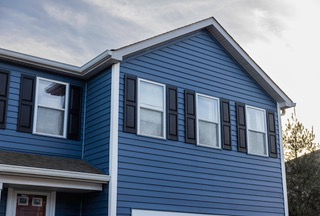
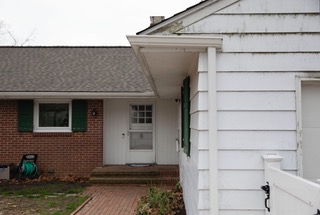
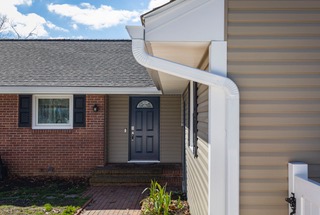
New siding can dramatically enhance curb appeal while helping protect the home from weather and moisture. Replacement windows can improve energy efficiency, indoor comfort, and the overall look of a home’s exterior.
Less visible upgrades can also make a significant impact.
One of the most overlooked, but very valuable improvements, Johnston says, is soffit and fascia replacement. Because these areas absorb years of weather exposure, they often show signs of deterioration before homeowners realize it. Although they’re smaller details in the exterior envelope, refreshing them can significantly improve a home’s appearance without requiring a full exterior renovation.
Don’t Overlook Long-Term Savings
While many homeowners focus on visible upgrades, some of the most valuable improvements happen behind the scenes. Johnston points to attic insulation as one of the most impactful investments homeowners can make.
“It’s a product that you almost never see,” he says, “but it’s saving you money every single day.”
Proper insulation helps regulate indoor temperatures, reduces strain on HVAC systems, and can improve comfort throughout the year. While it may not offer the same visual transformation as new siding or windows, its long-term impact can be substantial.
Think Beyond ROI
Home improvement projects are often discussed through the lens of resale value, but Johnston encourages homeowners to think more broadly.
“Making smart investments isn’t just about return on investment in terms of dollar for dollar,” he says. “It’s about making an investment that makes you proud of the place that you live.”
While exterior upgrades can contribute to home value over time, they also improve daily life. A more comfortable home, greater energy efficiency, enhanced curb appeal, and confidence in your home’s condition all provide value that extends beyond resale calculations.

Take a Fresh Look at Your Home
If you’re unsure where to begin, Johnston recommends starting with something simple: step outside and take an honest look at your home.
What needs attention? What would make you feel more comfortable? Which improvements would have the greatest impact on your day-to-day experience?
Answering those questions can help create a roadmap for future projects—and ensure your next investment is the right one for your home.
Not sure where to start? Schedule a free in-home estimate with our remodeling experts. We’ll evaluate your home’s exterior systems, identify areas of concern, and help you prioritize upgrades based on your home’s needs, goals, and budget.
Back to News