Jun 25, 2026
How Your Roof, Insulation, and Ventilation System Work Together
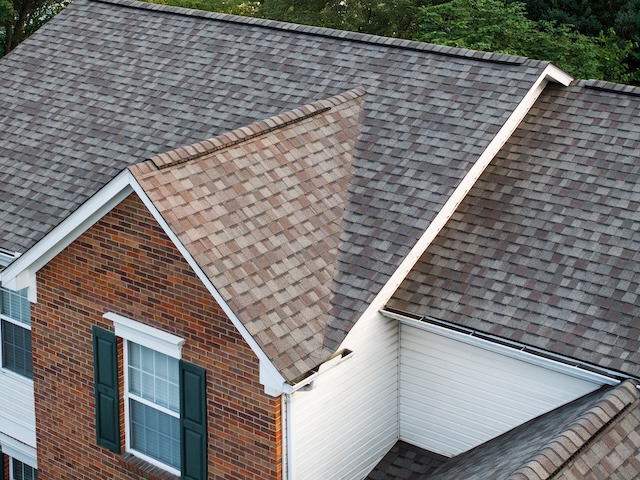
Most homeowners think about their roof when they spot a leak, lose a shingle during a storm, or notice visible wear and tear. What many don’t realize is that a roof’s performance depends on much more than the materials they can see.
Think about the concept of homeostasis—the body’s ability to maintain a stable internal environment despite changing conditions. Your home works in a similar way. A roof, insulation, and ventilation system each serve a different purpose, but together they help regulate temperature, control moisture, improve energy efficiency, and protect the structure of the home.
While these systems are installed separately, they don’t operate independently. When one component isn’t performing properly, the others must work harder to compensate.
What Does Insulation Do?
Insulation is designed to slow the transfer of heat between your attic and the living spaces below. It acts as a barrier that helps maintain a comfortable indoor environment regardless of what’s happening outside.
In warmer climates, insulation helps reduce the amount of heat entering the home from the attic. In colder climates, it helps prevent conditioned air from escaping through the roof. In both cases, effective insulation supports energy efficiency by reducing the workload placed on heating and cooling systems.
Most insulation works by trapping pockets of air that slow the movement of heat. Over time, however, insulation can compress and lose some of its effectiveness. As those air pockets shrink, heat moves more easily between the attic and living spaces, making it harder to maintain consistent indoor temperatures.
Insulation needs can also vary by region. A home in Houston faces different climate challenges than a home in Minneapolis, which is why insulation levels, building codes, and energy-efficiency recommendations often differ across the country.
Why Ventilation Matters
While insulation slows heat transfer, ventilation manages airflow.
A properly ventilated attic continuously circulates air through the space. Cooler air enters through intake vents near the roof’s edge, while warmer air exits through exhaust vents at the roof peak. This airflow helps regulate attic temperatures and remove excess moisture before it can cause problems.
Without proper ventilation, heat and moisture become trapped in the attic. Over time, that buildup can impact comfort, increase energy consumption, and contribute to premature wear on roofing materials.
How Insulation and Ventilation Work Together
Insulation and ventilation perform different jobs, but they are most effective when working together.
In warmer climates, attics absorb solar heat throughout the day. Without adequate insulation and ventilation, that heat builds up and eventually transfers into the living spaces below, creating uncomfortable rooms and forcing HVAC systems to work harder.
Sean Johnston, Vice President of Delivery for POWER in Houston, compares attic heat to a container gradually filling over time. “Think of it like a bucket filling with water. Heat in your attic is kind of like that.”
As heat accumulates, insulation helps slow its movement into the home, while ventilation removes trapped hot air and draws in cooler air. Together, these systems help improve comfort and support energy efficiency.
In colder climates, moisture becomes the primary concern.
Everyday activities like cooking, showering, laundry, and even breathing add moisture to the air inside a home. As warm air rises into a colder attic, condensation can form on nails, wood framing, and other surfaces. Homeowners sometimes mistake this moisture buildup for a roof leak when it’s actually the result of poor airflow.
Insulation helps reduce the amount of warm, moisture-filled air reaching the attic, while ventilation helps remove moisture before it can accumulate and cause damage.
Whether your climate is primarily hot, cold, or somewhere in between, insulation and ventilation work together to create a healthier attic environment.
Why Homeowners Should Care
The performance of your attic system affects more than just your roof.
Proper insulation helps maintain consistent indoor temperatures, reducing hot and cold spots throughout the home. Many homeowners who complain about overly warm second floors are actually experiencing insulation or ventilation issues rather than HVAC failures.
These systems also play a major role in energy efficiency. When conditioned air escapes through the attic, heating and cooling equipment must work harder to maintain the desired temperature, leading to increased energy consumption and higher utility bills.
Attic performance can even affect the lifespan of the roof itself. Excessive heat and trapped moisture accelerate wear on shingles, roof decking, and structural components. Not only that, but many shingle manufacturers require proper attic ventilation as part of their warranty requirements.
As Johnston explains: “If you want to get the most life that you can out of the roof, you have to think about the whole system and how the system functions rather than just the one component being the shingle.”
Common Signs Your Attic System Needs Attention
Many insulation and ventilation issues develop gradually, making them easy to overlook.
Some common warning signs include:
- Uneven temperatures throughout the home
- Rising energy bills
- Excess moisture or condensation in the attic
- Visible compression or flattening of attic insulation
A simple attic inspection can often reveal whether insulation has settled over time or whether airflow is being restricted.
POWER’s Approach to Insulation and Ventilation
At POWER, insulation and ventilation are evaluated as part of a complete roofing system.
In addition to traditional blown-in attic insulation, POWER offers Energy Sphere Radiant Barrier Insulation. Installed beneath the roof rafters, Energy Sphere reflects radiant heat away from the attic before it can build up and transfer into the home.
Most homes were not built with radiant barrier technology, making it an often-overlooked opportunity to improve comfort and energy efficiency.
POWER also designs ventilation systems to maintain airflow throughout the attic, even when previous work has unintentionally restricted ventilation pathways. Other trades can sometimes block soffit vents during insulation projects, preventing air from circulating properly. POWER’s approach accounts for these challenges to help ensure the system functions as intended.
By evaluating roofing, insulation, and ventilation together, homeowners receive recommendations based on the performance of the entire system—not just one individual component.
Ready to Check Your System?
If you’re noticing uneven temperatures, rising utility bills, or consistently warm upper floors, your attic may not be performing as efficiently as it could.
Schedule a free in-home estimate with POWER to have your roofing, insulation, and ventilation system evaluated by an expert. We’ll assess how your attic is performing, identify opportunities to improve comfort and energy efficiency, and recommend solutions designed to protect your home for years to come.
Back to News