Apr 8, 2026
What Types of Roof Shingles Work Best for Your Home?
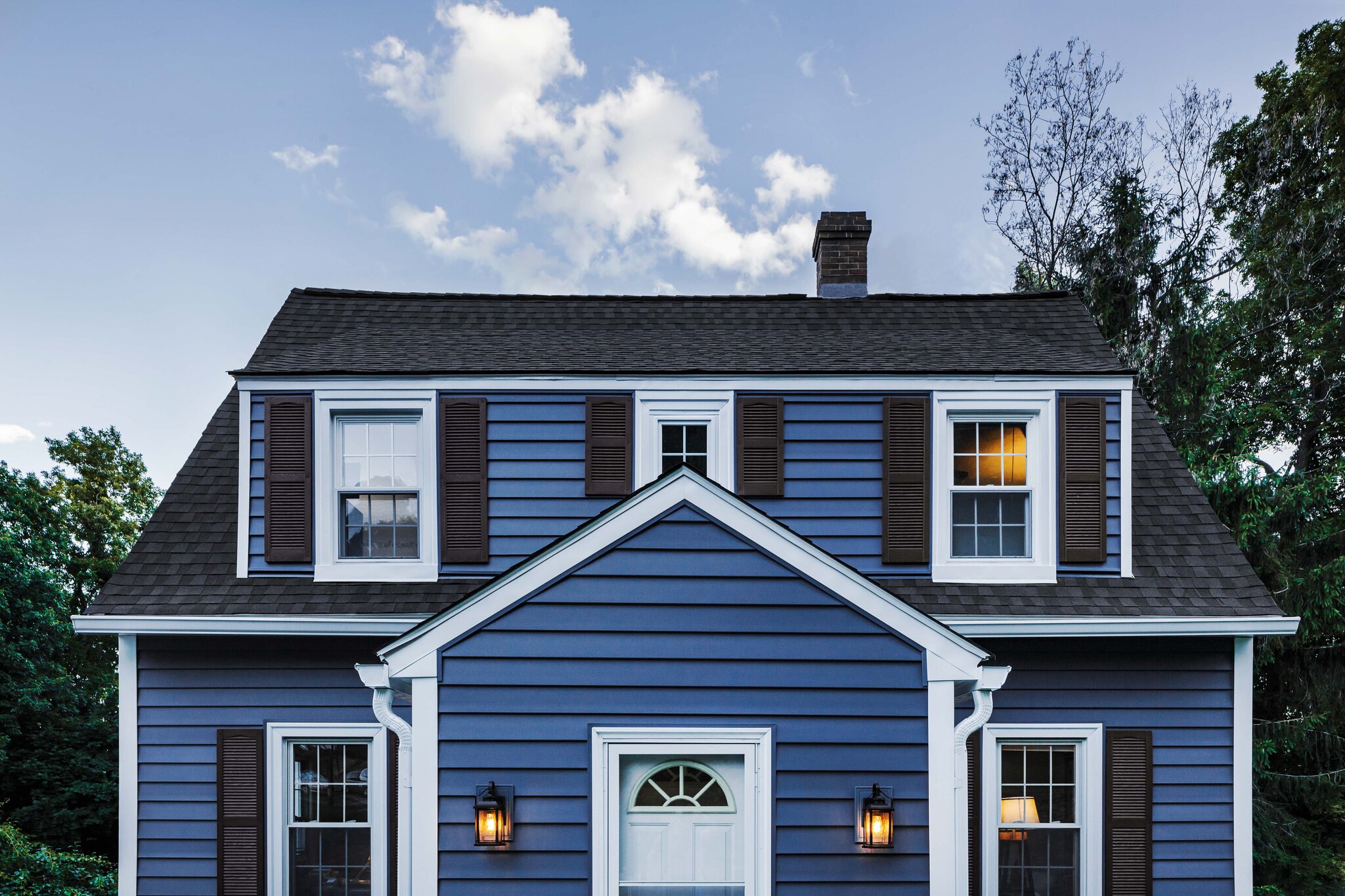
“We work hard to put a roof over your head!” Heard that phrase before? While it may sound like a cliché, it’s rooted in truth. Your roof the most important protective system of your home. The right roofing material does more than keep water out. It impacts your home’s lifespan, energy use, maintenance needs, and overall aesthetic.
Fortunately, homeowners today have more roofing options than ever before. From traditional asphalt shingles to materials like composite slate or metal, modern roofing systems offer a wide range of benefits in durability, performance, and design.
In this guide, we’ll walk you through the key things homeowners should understand before investing in a new roof—from the warning signs that it may be time for a replacement to how climate, roof pitch, and material performance affect your roofing system. We’ll also explain how roofing materials are tested for durability and break down the most common types of roof shingles so you can find the option that works best for your home.
What Do Roof Shingles Actually Do?
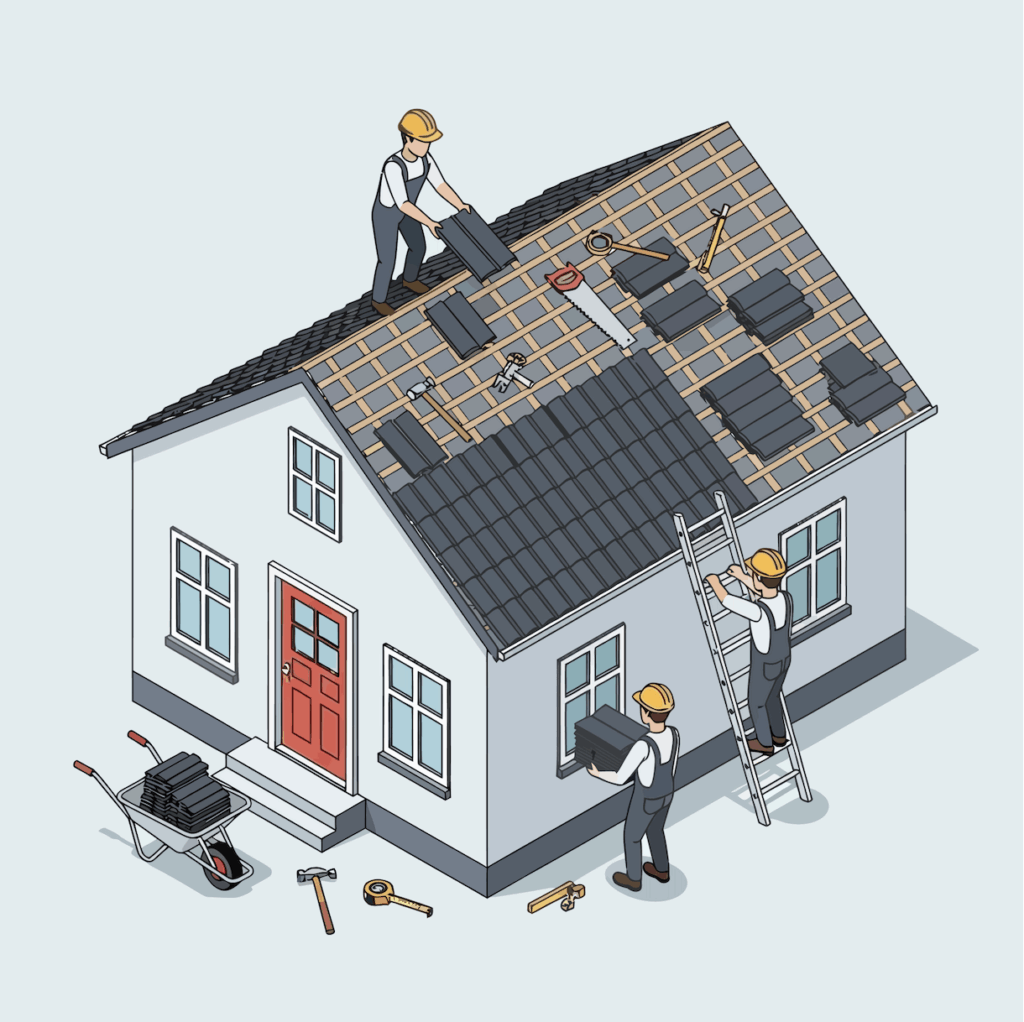
Roof shingles are the outermost protective layer of your roof. They are installed in overlapping rows that allow rain and snow to flow off the roof while preventing moisture from penetrating the structure underneath.
When shingles function properly, they help:
- Protect the home from rain, snow, and wind
- Prevent water intrusion
- Improve energy efficiency
- Enhance curb appeal
- Protect the structural components of the roof
When shingles become damaged or worn, they can allow moisture to enter the roofing system, potentially leading to leaks, mold growth, and structural damage. Investing in a quality roofing system is an incredibly valuable investment, because the roof protects the entire home.
Signs You May Need a New Roof
Even the most durable roofing systems eventually wear out. Homeowners should watch for warning signs that may indicate it’s time to replace their roof.
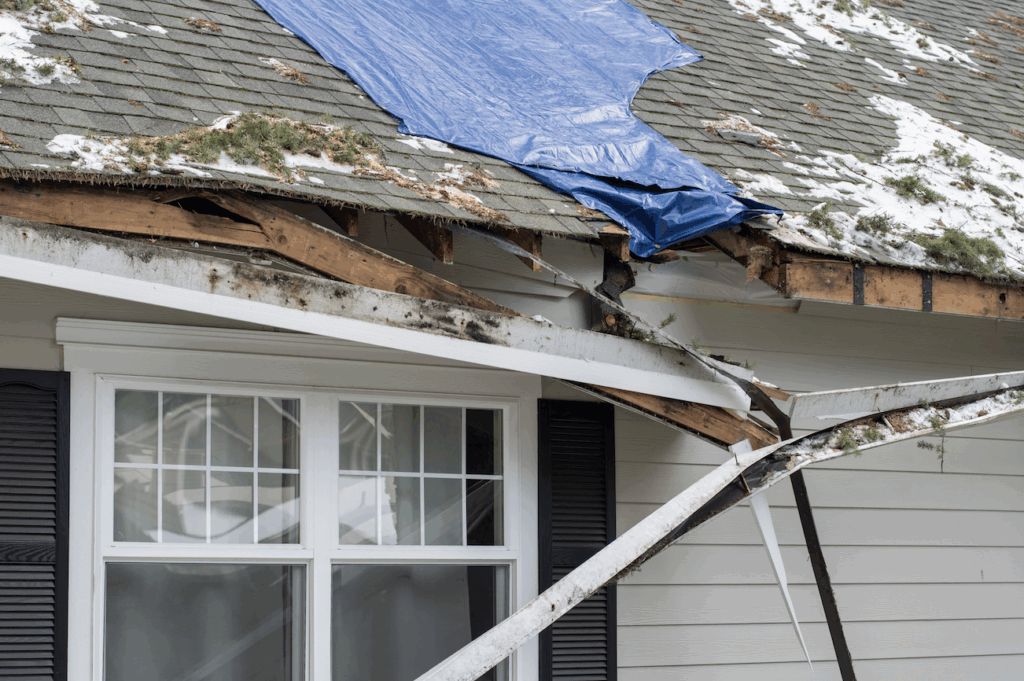
Common indicators include:
- Damaged or missing shingles
- Moisture or leaks in the attic
- Builder-grade roofing materials nearing the end of their lifespan
- Moss, algae, or mold or mildew growth
- Sagging or uneven areas on the roof
If you’re noticing these issues, it may be time to evaluate your roof’s condition. For a deeper breakdown, read our guide on 7 Signs You Need a New Roofing System.
Climate and Roof Performance
Climate plays a major role in how roofing materials perform over time. Environmental factors that affect roofing materials include:
- Fluctuating Temperatures: Rapid shifts between hot and cold temperatures can cause roofing materials to expand and contract, which may lead to cracking or weakening over time.
- Sunlight Exposure: Ultraviolet (UV) rays gradually break down roofing materials, leading to fading and deterioration.
- Wind: Strong winds can loosen or lift shingles if they are not designed to withstand high wind speeds.
- Rain and Drainage: Proper roof slope allows water and snow to shed efficiently, preventing moisture buildup.
Because of these factors, homeowners should choose roofing materials that perform well in their region’s climate conditions.
Roof Pitch & Material Compatibility
Roof pitch refers to the steepness of a roof and is one of the most important factors in roofing. The roof pitch or slope helps determine which roofing materials are compatible, how effectively water drains, and how the overall structure performs over time.
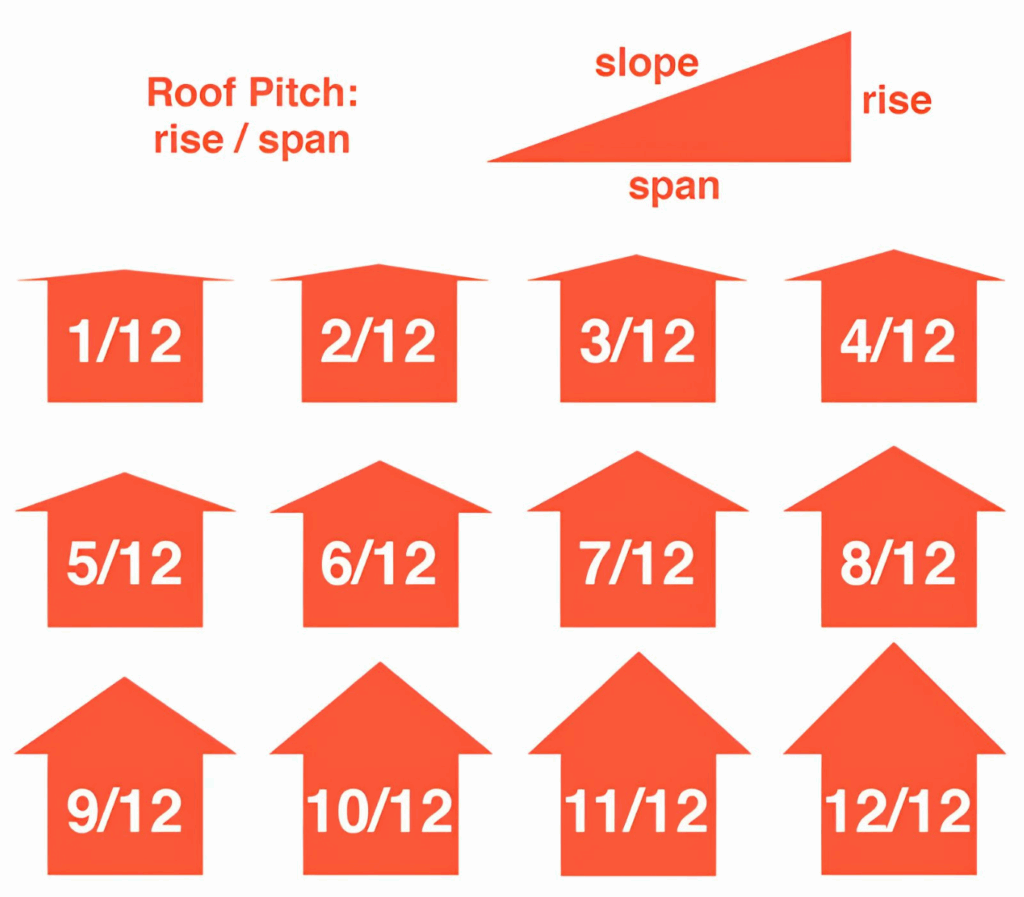
The slope of the roof influences nearly every part of the roofing process, from material selection to installation methods. Pitch is typically expressed as a ratio such as 4:12, meaning the roof rises four inches for every twelve inches of horizontal distance.
Low-slope roofs (0:12–4:12) often require membrane systems to prevent water pooling such as TPO (Thermoplastic Polyofin) or EPDM (Ethylene Propylene Diene Monomer). If there is a slight pitch, low-slope roll roofing would be another option.
Medium and steep slopes (4:12 and above) are ideal for traditional roofing materials such as asphalt shingles, metal roofing, and tile systems.
How Roofing Materials Are Tested for Performance
As you start evaluating roofing options, you may notice product descriptions that include terms like “UL Class 4 impact rating” or references to other testing standards. At first glance, these labels can feel confusing or overly technical. However, they’re actually helpful indicators of how well a roofing material performs under real-world conditions.
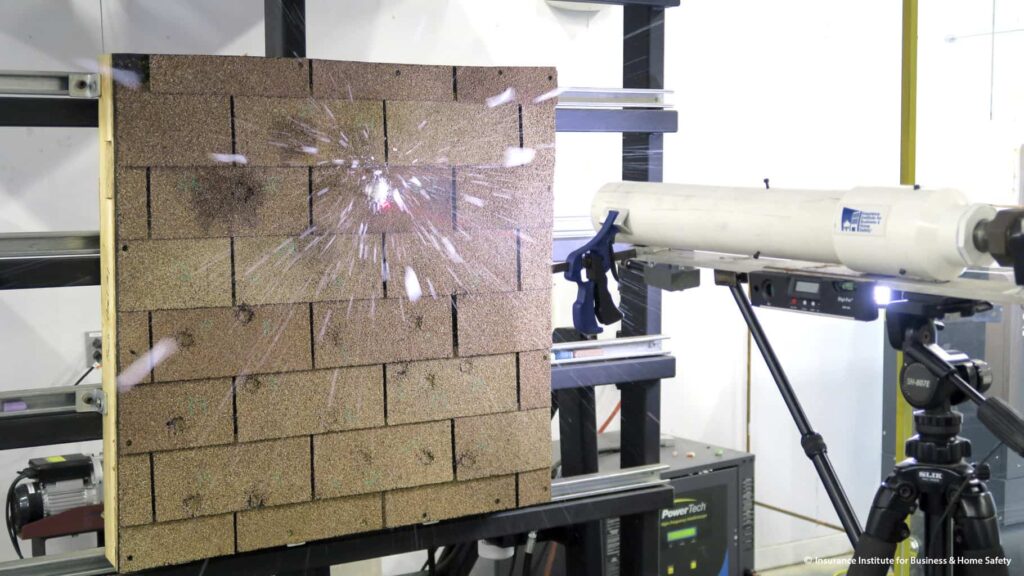
These ratings come from independent testing organizations that evaluate roofing materials for durability, safety, and weather resistance. Understanding what these certifications mean can help homeowners make more informed decisions when choosing a roof.
Several independent organizations establish and verify these testing standards:
- ASTM Standards
ASTM International develops standardized testing procedures used across many industries, including construction and roofing. These standards define how roofing materials should be tested, ensuring manufacturers follow consistent methods when evaluating durability, strength, and performance.
- UL (Underwriters Laboratories)
UL is an independent safety organization that tests and certifies building materials. Roofing products that meet their safety requirements can carry the UL certification mark, which indicates that the product has passed recognized performance and safety benchmarks.
- FM (Factory Mutual)
Factory Mutual focuses on property protection and insurance risk reduction. FM testing evaluates how roofing systems perform under extreme conditions, helping insurers and building owners identify roofing materials that reduce potential damage and property loss.
Key Roofing Performance Tests
Roofing materials are commonly evaluated for three major performance factors:
- Impact resistance, measures how well shingles withstand hail or debris (UL 2218 Class 4 being the highest rating).
- Wind resistance, evaluates how shingles hold up under strong winds, with ratings reaching up to 150 mph.
- Fire resistance, determines how well roofing materials protect against fire exposure, with Class A representing the highest fire protection rating.
Together, these tests help ensure roofing materials provide durability, safety, and long-term protection for homeowners.
Types of Roof Shingles and Options You Should Know
Below are some of the most common roofing materials used on homes today.
Asphalt Shingles
Asphalt shingles are the most widely used roofing material in North America, covering the majority of residential homes.
The modern asphalt shingle is the result of decades of innovation dating back to the mid-1800s. Early roofers experimented with cotton fabric as a base mat, coating it with pine tar and sand to help protect against moisture. By the 1860s, asphalt replaced tar, and crushed slate granules were added to improve durability. These early materials already included the three core components still used in asphalt shingles today: a reinforcing mat, asphalt waterproofing, and protective mineral granules.
In the early 1900s, a roofer began cutting asphalt roofing rolls into individual shingles—an innovation that helped create the modern asphalt shingle while also making installation easier and giving roofs a more uniform appearance.
Today’s asphalt shingles are typically made from fiberglass mats coated with asphalt and topped with mineral granules. Manufacturers such as CertainTeed and GAF produce shingles designed to resist wind, algae growth, and hail damage.
- 3-Tab (Strip) Shingles
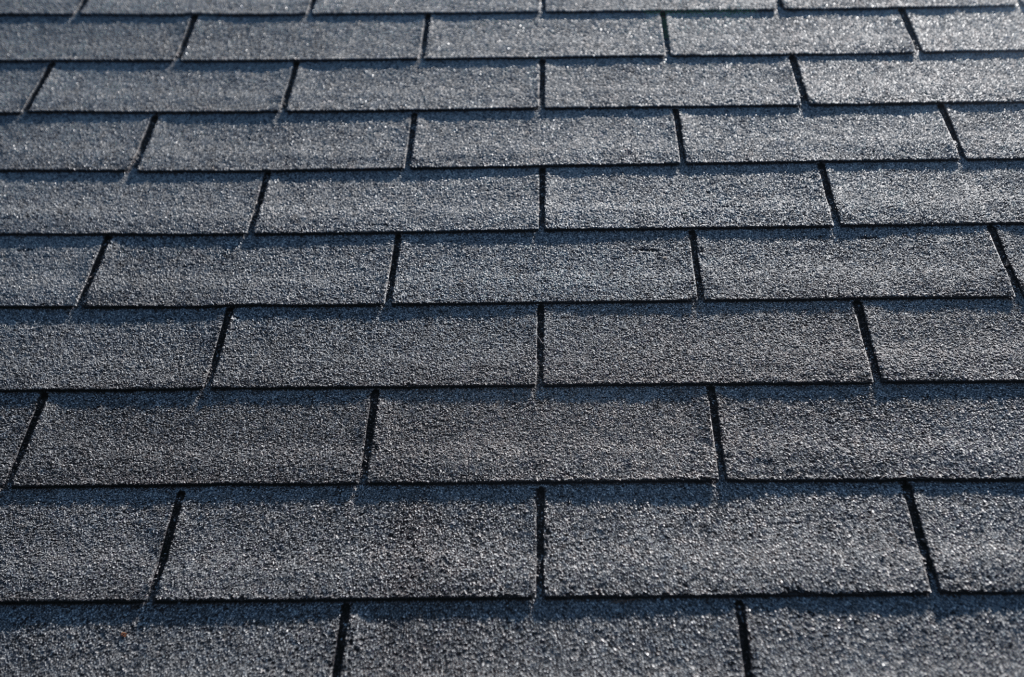
3-tab shingles are the original asphalt shingle style, featuring a flat appearance with evenly spaced cutouts.
Type: Strip asphalt shingles
Life Expectancy: 15–20 years
Performance: Basic weather protection
Replacement Cost: Budget
Best Climate: Mild climates
Price: Budget tier
Considerations: 3-tab shingles are the most basic asphalt shingle option and are often used in builder-grade construction. While they are affordable, they typically offer less durability and wind resistance than architectural or luxury shingles.
- Architectural (Dimensional) Shingles
Architectural shingles were introduced in the 1970s to create a thicker, layered appearance that mimics wood shakes or slate.
Type: Laminated asphalt shingles
Life Expectancy: 25–30 years
Performance: Strong wind resistance and durability
Replacement Cost: Standard
Best Climate: Most climates
Price: Mid-range
Considerations: Architectural shingles provide improved durability and a more dimensional appearance than 3-tab shingles. However, they are heavier and slightly more expensive, but the difference in weight is not significant.
- Premium Asphalt Shingles
Premium shingles represent the highest-quality asphalt shingles available and are designed to closely resemble natural slate or cedar shake roofing.
Type: Premium laminated asphalt
Life Expectancy: 30–50 years
Performance: Excellent durability and weather protection
Replacement Cost: Premium
Best Climate: Most climates
Price: Premium asphalt tier
Considerations: Premium shingles provide enhanced durability and a premium aesthetic that mimics slate or wood shake. Because they are thicker and heavier, they may cost more to install compared to standard asphalt shingles.
- Performance Shingles (Impact-Resistant)
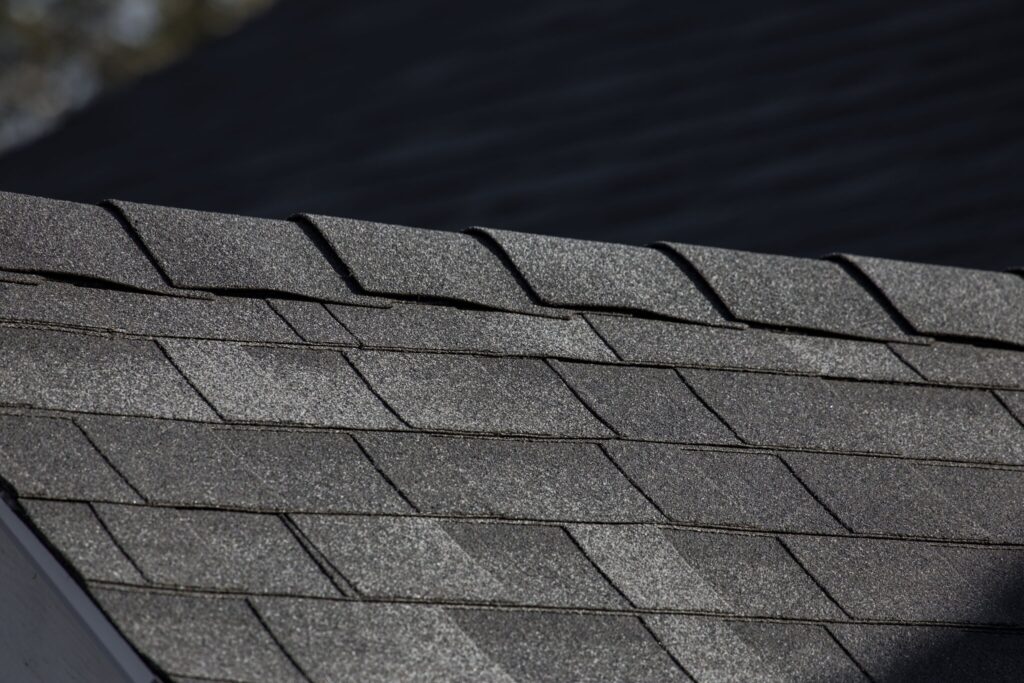
Performance shingles are engineered asphalt shingles designed for extreme weather protection, including hail and high winds.
They are typically polymer-modified and tested under standards such as UL 2218 Class 4, the highest hail resistance rating.
Type: Impact-resistant asphalt shingles
Life Expectancy: 30–40 years
Performance: Excellent hail and wind resistance
Replacement Cost: Enhanced-Premium
Best Climate: Severe weather regions
Price: Premium
Considerations: Performance shingles are designed for severe weather conditions, but they typically come at a higher upfront cost. However, depending on the state, they may qualify homeowners for insurance discounts due to their enhanced protective abilities.
Metal Roofing
Metal roofing has been used in the United States since the 19th century and gained popularity during the Victorian era. Early metal roofs were often made from tin or copper sheets produced in rolling mills, which allowed manufacturers to produce large, uniform metal panels more efficiently.
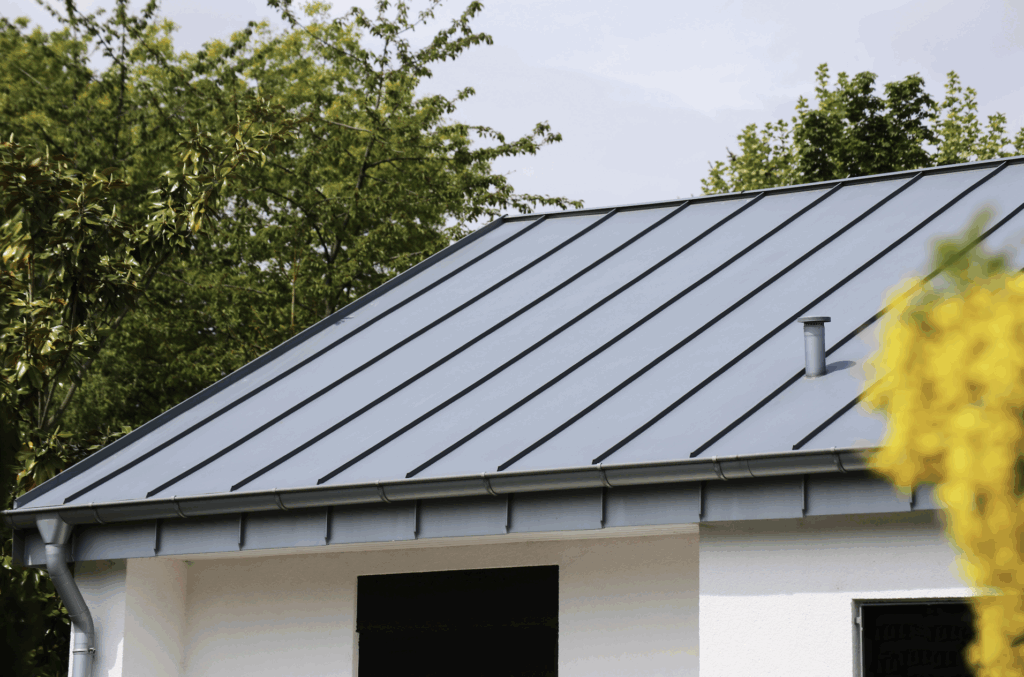
Two innovations helped make metal roofing more practical: corrugating, which adds ridges to strengthen the metal, and galvanization, which coats the metal with zinc to protect it from rust and corrosion.
Because metal roofs are lightweight, durable, and resistant to fire, mold, insects, and rot, they were widely used on agricultural and industrial buildings before gaining popularity in residential construction.
Today, metal roofing is typically made from steel, aluminum, copper, or zinc, and can replicate the look of traditional roofing materials while offering strong durability.
Type: Metal panels or shingles
Life Expectancy: 40–70 years
Performance: Excellent durability and wind resistance
Replacement Cost: Luxury
Best Climate: Snowy or windy climates
Price: Luxury tier
Considerations: Metal roofing offers excellent durability and longevity, but not all roofing contractors specialize in metal installations. Proper installation is critical, as metal roofs require specialized techniques and materials.
Slate Roofing
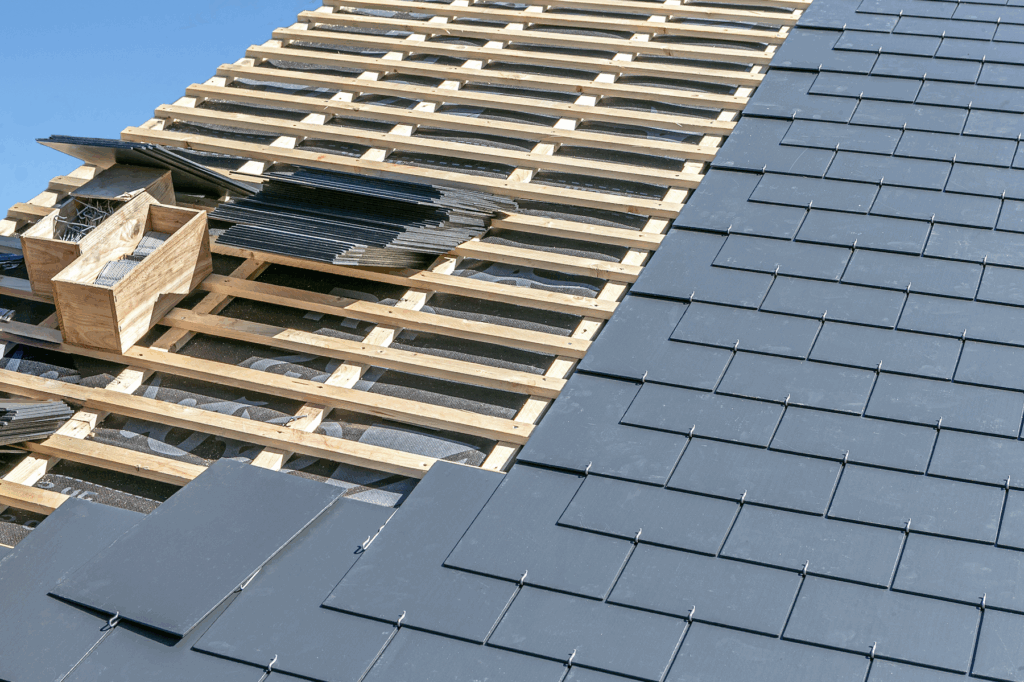
Slate is one of the oldest roofing materials used in the United States. It was first discovered in Pennsylvania in 1734, with commercial production beginning in the early to mid-1800s. By the late 19th century, slate roofs were widely used throughout the Northeast.
One of slate’s greatest advantages is its exceptional longevity. When properly installed, slate roofs can last well over a century, and many historic homes still retain their original slate roofs today.
Type: Natural stone shingles
Life Expectancy: 75–150+ years
Performance: Extremely durable and fire-resistant
Replacement Cost: Luxury
Best Climate: Most climates
Price: Luxury
Considerations: Slate roofs are extremely durable but very heavy, meaning homes may require additional structural support before installation. Slate installation also requires highly skilled contractors, as improper installation can lead to costly repairs.
Recently, manufacturers began developing composite slate—a lighter, more affordable alternative to traditional slate.
Composite / Synthetic Shingles
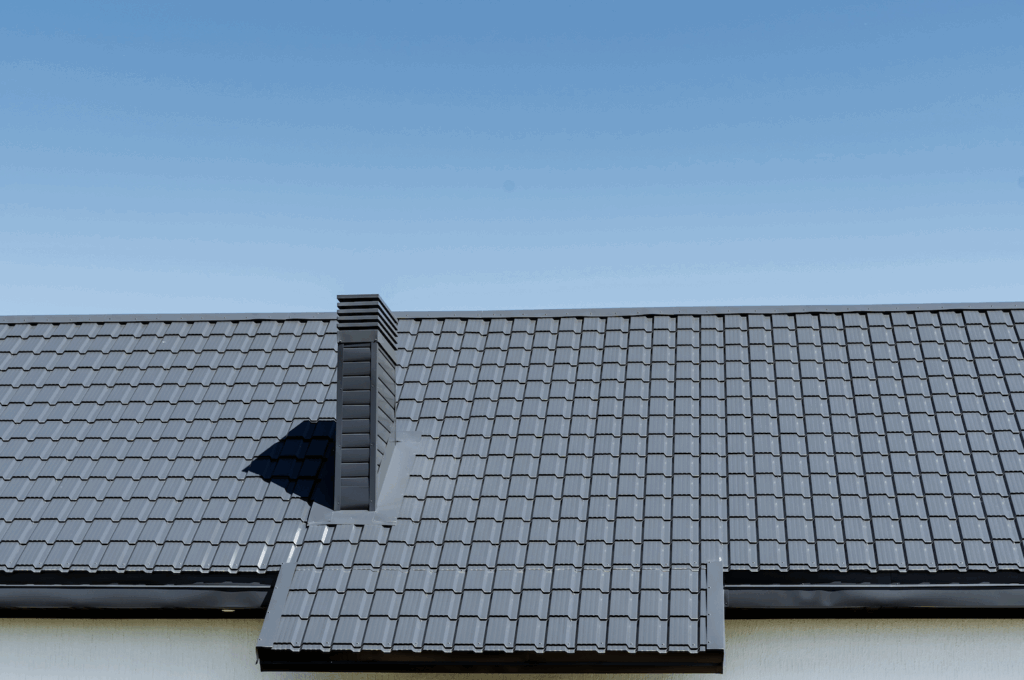
Composite roofing materials are engineered from recycled plastics, rubber, and polymers. Composite roofs are eco-friendly, long-lasting & durable, and very lightweight.
These materials are designed to mimic slate, wood shakes, or clay tiles while remaining lighter and easier to install.
Type: Synthetic roofing shingles
Life Expectancy: 40–50 years
Performance: Strong impact resistance
Replacement Cost: Luxury
Best Climate: Most climates
Price: Luxury
Considerations: Composite roofing products are relatively newer to the roofing industry, which means it’s important to work with contractors familiar with their installation. While they are lighter than natural slate, they are still considered a premium roofing option and may cost more than traditional asphalt shingles.
Clay and Concrete Tile Roofing
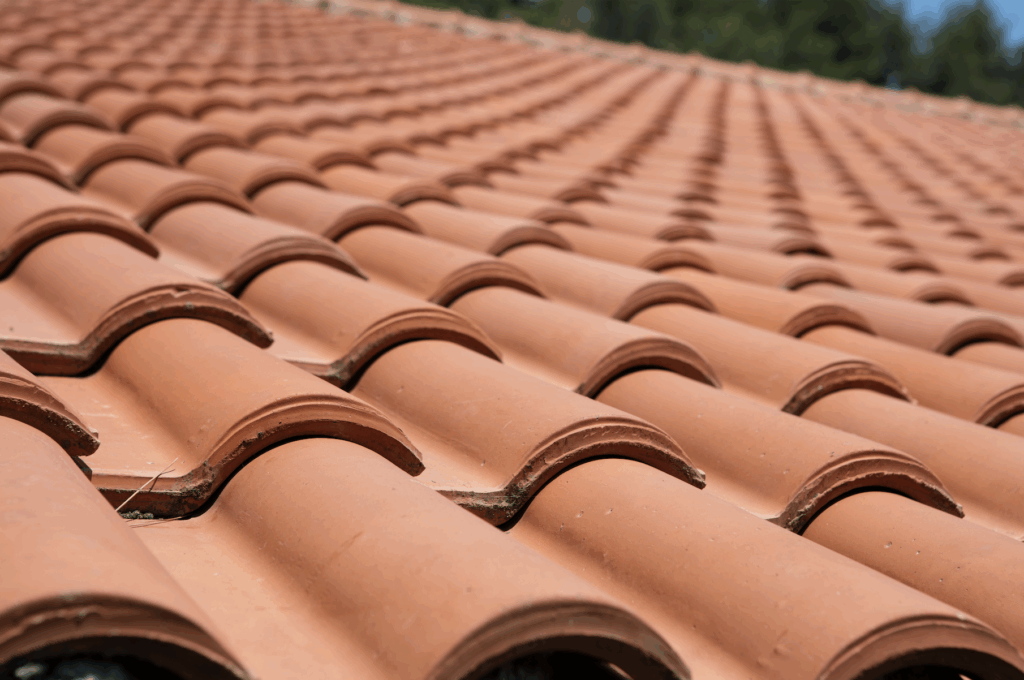
Tile roofing dates back thousands of years, with early examples in ancient civilizations such as ancient China and Mesopotamia. Clay tiles were later introduced to the United States by European settlers and remain especially common in warm regions like the southwestern U.S.
Although their popularity declined as newer roofing materials became available, tile roofs saw a revival in the early 20th century. Today, clay and concrete tiles are valued for their heat resistance, durability, and distinctive architectural styles, including Spanish, French, Terracotta, scalloped, and barrel designs.
Type: Clay or concrete tiles
Life Expectancy: 50–75 years
Performance: Excellent heat resistance
Replacement Cost: Luxury
Best Climate: Hot or dry climates
Price: Premium
Considerations: Tile roofing systems are heavier than most other roofing materials, so homeowners should confirm that their home’s structure can support the weight. Tile roofs also require experienced installers and may involve more maintenance over time, particularly to address the roof’s underlayment–which lasts 20 to 30 years–and cracked or displaced tiles.
Copper Roofing
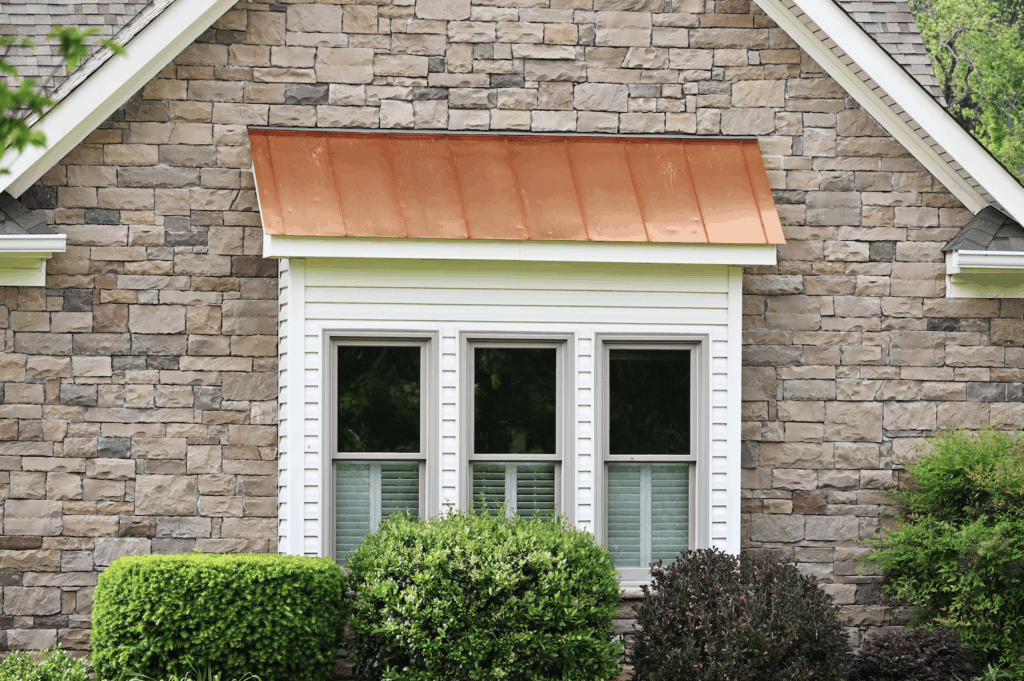
Copper roofing is considered one of, if not the most premium roofing materials available. Over time, copper develops a natural patina layer that protects the metal from corrosion and strengthens the roof.
Type: Copper panels or shingles
Life Expectancy: 70–100+ years
Performance: Exceptional durability
Replacement Cost: Top Tier Luxury
Best Climate: Most climates
Price: Luxury
Considerations: Copper roofing is a premium specialty material that requires highly skilled contractors experienced in metalworking techniques such as soldering and custom fabrication. Because of the craftsmanship involved, copper roofs are usually the most expensive roofing option available.
Homeowners typically use copper as an accent rather than for a full roof. Due to its high cost and specialized installation, it’s most often featured on areas like bay windows, dormers, or porches rather than across the entire home.
Choosing the Right Roof for Your Home
Selecting the right roofing material depends on several factors, including:
- climate and weather exposure
- roof pitch
- structural weight capacity
- lifespan expectations
- maintenance requirements
- curb appeal
- budget
A professional roofing contractor can help evaluate these factors and recommend the best roofing system for your home.
Find the Right Roofing System with POWER
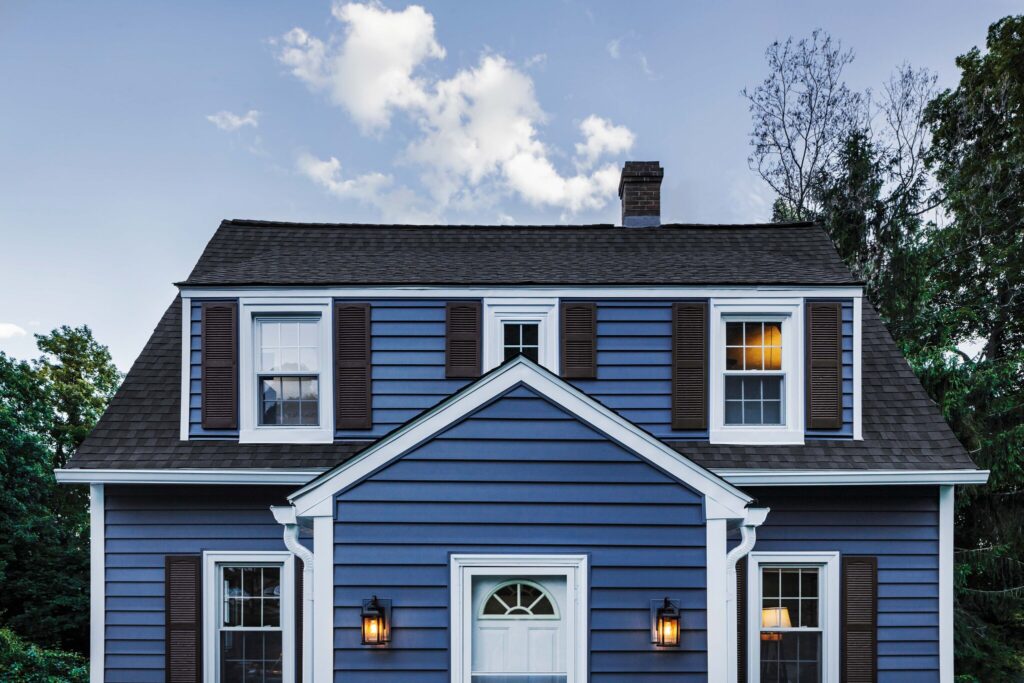
At Power Home Remodeling, we partner with industry-leading manufacturers to deliver roofs that withstand any element, and are built to last. POWER offers a wide selection of high-quality, premium asphalt roofing options designed for durability, performance, and style. Homeowners can choose from a variety of shingle styles, textures, and colors to complement their home’s architecture.
Color availability may vary by region, as many manufacturers source materials locally—so not all color options are available nationwide.
Type: Exclusive GAF x POWER HRG stain-guard infused asphalt shingle; CertainTeed x POWER HRG high-performance asphalt shingle
Life Expectancy: 50 years
Performance: Exceptional durability and warp & waving resistant
Replacement Cost: Moderate
Best Climate: Most climates
Price: Moderate
Our experienced installation teams ensure every roof is installed with precision and backed by strong warranties for long-term peace of mind.
If you’re considering a roof replacement, or other exterior home services, our team can help you explore the best options for your home.
Back to News