Mar 19, 2026
Get to Know Bradley Vierling, POWER’S Regional Senior Vice President of Customer Development
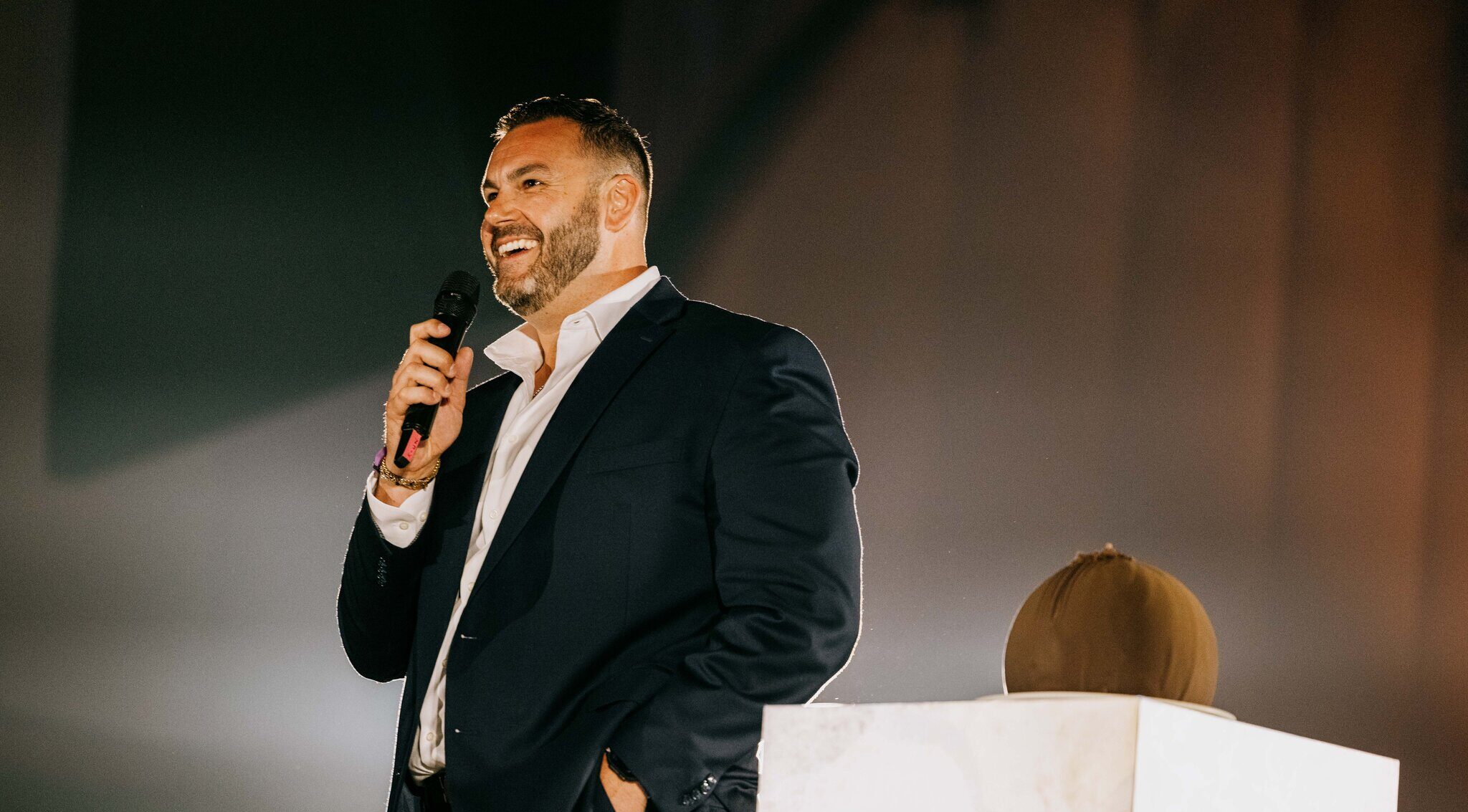
If you ask Bradley Vierling, Regional Senior Vice President of Customer Development at POWER, how he got here, he’ll tell you it wasn’t some perfectly mapped-out plan. He found the company on Monster.com, thought the logo looked cool, saw a posting that said he could make good money, and applied.
That simple decision turned into a career built around the same traits that shaped him long before POWER: competition, commitment, and being someone people can count on. As he puts it, he “really hates letting people down.”
Today, Bradley leads the Customer Development department, collaborates with executive leadership, and stays focused on what’s right for the people and for the business.
Prior to POWER
Bradley grew up just outside Philadelphia in Warminster as one of four siblings. During his childhood, his family fell on hard times causing Bradley to rethink his future and build resilience at a young age. That shift taught him that how you respond when things go sideways matters most.
When he was young, his parents told him plainly that if he wanted to go to college, he would need to earn it himself. Looking back, he says, “that’s when sports just became that much more important to me.”
Sports quickly became the path forward. He played basketball, football, and baseball, captained multiple teams in high school, earned all-state honors in football and track & field, and ranked among the best discus throwers in the country. But when asked what fueled that success, Bradley doesn’t point to size or talent. He credits the work, constant practice, steady improvement, and a deep commitment to not letting his team down.
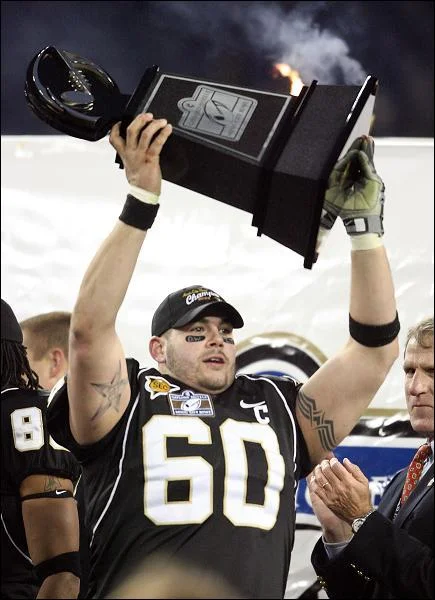
Captain at Vanderbilt
Bradley earned around a dozen full-ride scholarships and chose Vanderbilt, where he played center and became a two-time captain. During his junior year, the team won its first bowl game in 53 years.
Vanderbilt wasn’t the most talented team in the SEC, competing against programs like Florida, Georgia, Alabama, and Auburn. Their success, he says, came from trust and commitment to one another. The relationships mattered more than raw ability.
The NFL — and the Shift That Followed
After college, Bradley signed with the Pittsburgh Steelers and spent about eight months with the team before being cut. He then went to the Carolina Panthers for three days, where he was brought in as “the smart guy from Vanderbilt” who wouldn’t mess anything up in practice — and then cut as soon as the injured player they were waiting on returned.
Not long after, a third opportunity was presented where he got signed by the Jacksonville Jaguars on a Monday during the final week of preseason—he flew out that night. In Jacksonville, he learned the playbook in two days, started a preseason game, played “out of his mind,” earned the game ball, and stayed with the team for nearly three years.
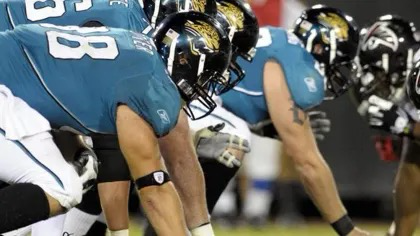
His career ended abruptly after doctors discovered two herniated discs pressing against his spinal cord. He remembers walking to his car alone, realizing football was over.
Like many athletes, Bradley felt a loss of identity when his sports career ended. As he describes it, when you’ve been defined your whole life by your performance and role on a team, losing that structure can make you question what comes next. He felt thankful, nervous, and behind in life, but he also wanted to prove he could be great at something off the field.
Finding POWER
At 26, Bradley moved back to the Philadelphia area and searched “sales job” on Monster.com. POWER popped up.
Two things sealed the decision. First, he heard that two 24-year-olds had already become Vice Presidents. His competitive instinct kicked in: “I was like, well if those guys did it, I could do it.”
Second, during his office walkthrough, people stepped out of their offices just to say hello. It felt like a team environment, and that mattered.
With too much idle time before his start date, Bradley called POWER back and asked to begin early. Since his Remodeling Consultant class hadn’t started yet, he joined Inside Sales instead. In November 2012, he began as a class of one, trained by now Senior VP, Chris Jordan. It was a shift from NFL player to entry-level role overnight, but he didn’t care about the title; he cared about proving he could be great at the work.
The POWER Journey
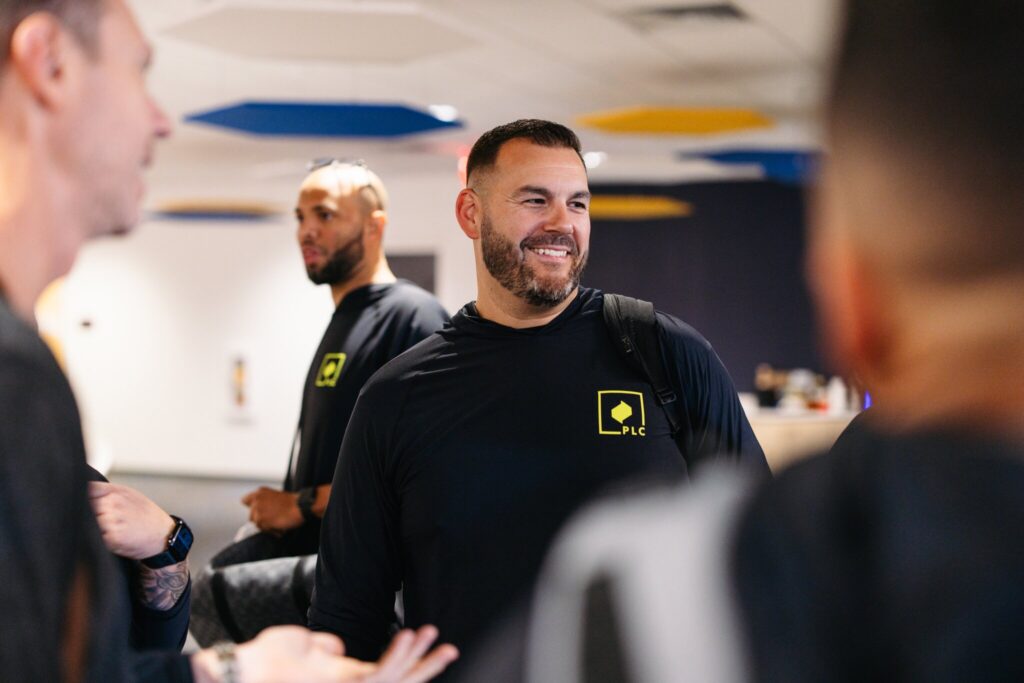
Bradley moved from Inside Sales to Remodeling Consultant, then RC Mentor. He quickly recognized that POWER operates much like a professional sports team — structured systems, coaching, merit-based growth, and daily skill development.
He applied the same philosophies he learned in sports—practice the craft, take coaching seriously, and improve daily—and progressed quickly. At one point he had the second-best DPI in the company, and his mentor team finished top three. Not long after, he emailed POWER’S Co-CEOs, Corey Schiller and Asher Raphael, asking to discuss his future.
They took him to dinner and eventually offered him a choice: pursue sales leadership, open a new market, or take over a struggling Customer Development department in Philadelphia. The department was large, inefficient and underperforming, which made it a challenge Bradley couldn’t ignore.
At 26, he stepped into leading nearly 100 people with executive leadership just down the hall. He became Vice President in 20 months and led Philadelphia for seven years. He credits much of his growth to mentors like Corey, Chris Jordan, JD, Asher and Eric Lonabaugh.
Leadership Evolution
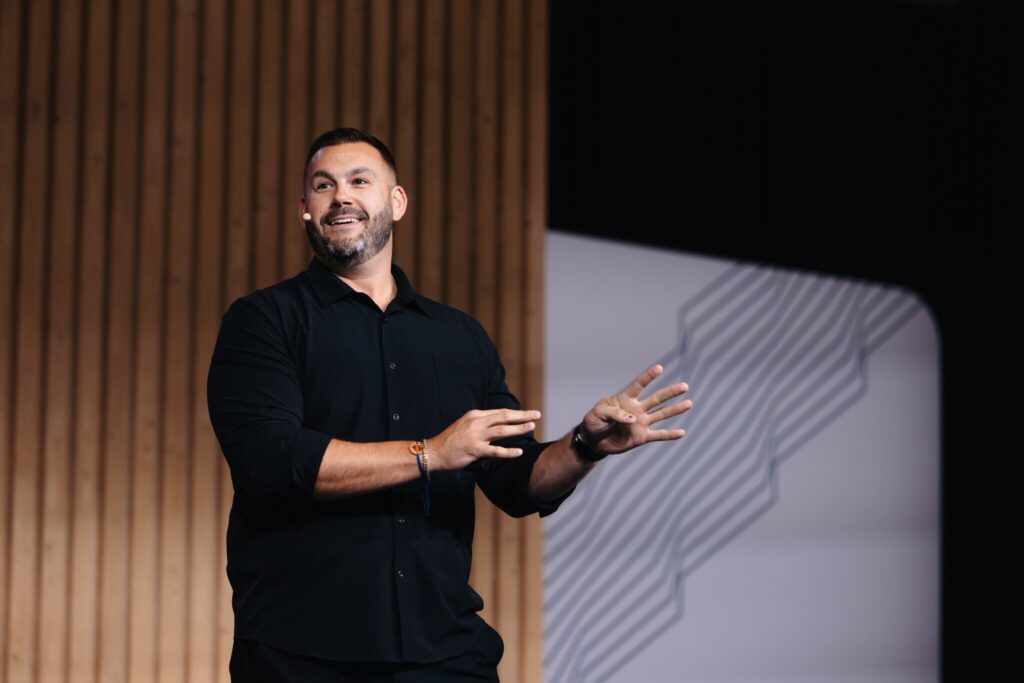
Early on, Bradley’s leadership style was direct and intense, rooted in accountability. At POWER, he learned that leadership is about more than personal performance.
He measures success differently now: by the success of the people around him.
Coaching people who may have never worked in a performance-driven environment required developing emotional intelligence and understanding what motivates individuals. Those conversations, he says, weren’t part of his world before POWER.
He operates by one principle he repeats often: “It’s never about who got it right. It’s always about what’s right.”
What He Looks For in People
Before skills, Bradley looks for:
- Someone who is innately good and rooting for others
- Having a student mentality paired with humility
- Possessing a strong work ethic and bringing good energy
He also believes optimism is learned and built through experience, mentorship, and mindset.
What Motivates Him Now
Bradley is competitive by nature and constantly pushing to improve. What excites him most, though, is what’s ahead for POWER.
He believes the company is still scratching the surface of how much it can help people and customers. As POWER grows, more people join, and more life-changing stories unfold. For customers, the goal remains clear: redefine what best-in-class service means and keep raising the bar.
If he had to describe POWER’s culture in a phrase, he calls it having “a human spirit” — competitive for the right reasons, accepting of who you are, and focused on caring about people the right way.
When asked what POWER really is, he doesn’t answer like someone in the home remodeling industry. He says it plainly: it’s all about people.
Fast Facts
- Hometown: Warminster, PA
- Siblings: One of four — including a younger brother who also works at POWER
- Morning routine: 5:30 a.m. gym session, then feeding his 70-pound bulldog, Bubba
- Go-to snack: Popcorn (“it just slaps”)
- Favorite show: Shrinking
- Favorite artists: Post Malone, Morgan Wallen, Biggie, Jay-Z
- Secret obsession: Annual summer playlists sent to 50+ people at POWER
- Leadership style in one word: Passionate (“Please do not mistake my intensity for anger. It’s just passion.”)
- Best advice: “It’s never as good as it seems and it’s never as bad as it seems. It’s usually somewhere right in the middle.”
Sounds like a leader you want to work for? Check out open positions to join our community.
Back to News