Mar 12, 2026
The Different Styles of Windows and What You Need to Know
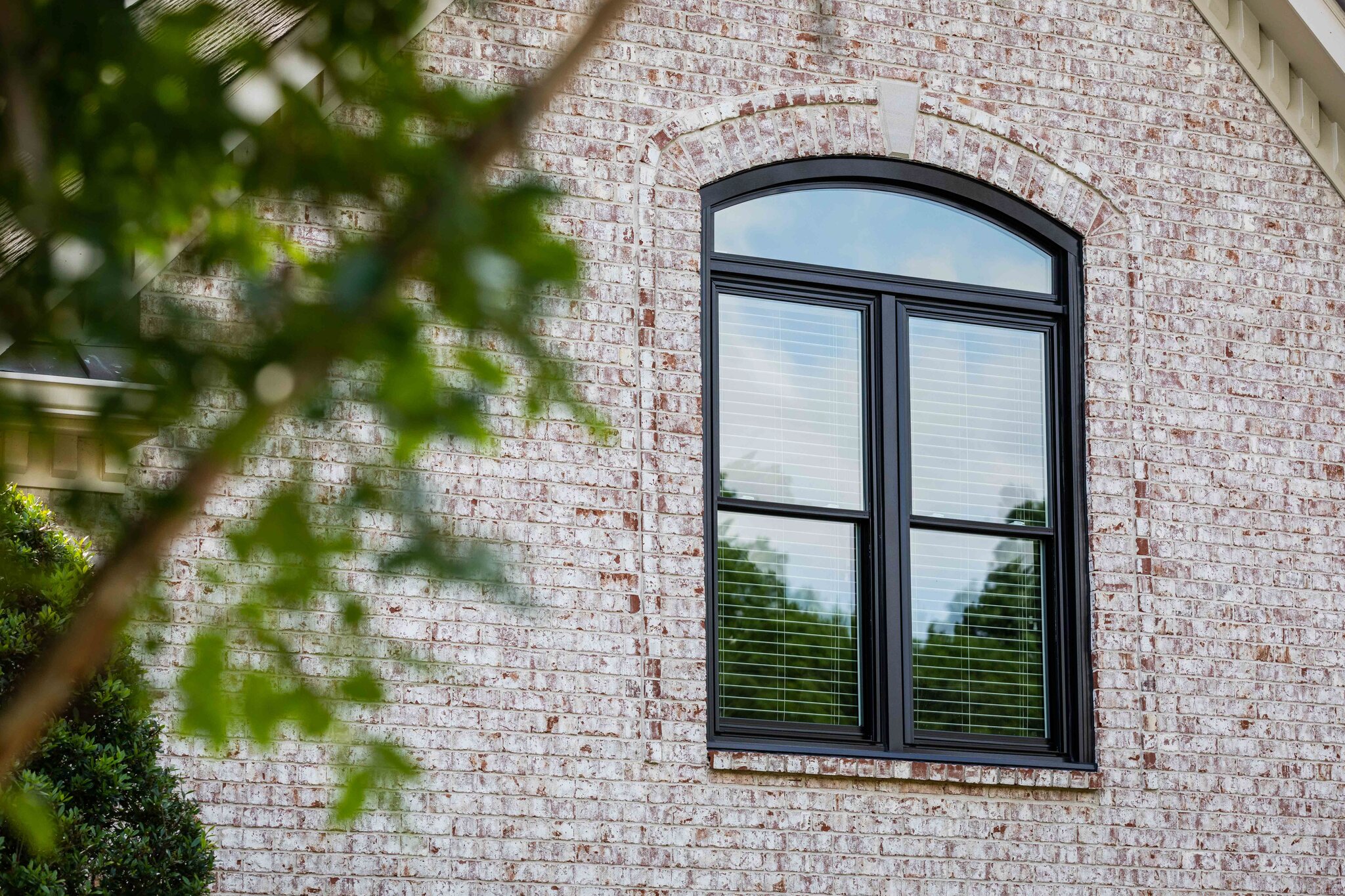
Table of Contents
Windows are an essential piece of architecture and the eyes of your home. Imagine living without them—while it’s possible, it would feel like living underground. Windows function as ventilators, interior protectors, and natural light entrances that shape the comfort of your space every single day.
Replacing your windows shouldn’t feel overwhelming—but with so many styles available, it’s hard to know what’s best for your home. Understanding the different styles of windows helps you make a smart, long-term investment that improves energy efficiency, comfort, and curb appeal.
Modern, energy-efficient windows include double-pane insulated glass, Low-E coatings, and enhanced noise reduction. Beyond style, today’s windows are designed to cut energy costs, keep conditioned air inside, and protect against moisture and debris.
Below, we break down the most popular window styles—including single-hung, double-hung, awning & casement, sliding, picture, bay & bow, and architectural—along with what to consider when planning your installation. We’ll cover cost, performance, ideal placement, cleaning ability, and overall design impact.
How to Choose the Right Window
Think of choosing a window the same way you’d choose a partner: you want reliability, strong performance, and something built to last. Some windows are ideal for ventilation. Others maximize natural light. Some are timeless design staples that work in nearly every room.
Knowing your priorities will help you select a window style that truly checks all your boxes.
Here’s what to consider:
- Functionality: How do you want the window to operate? Do you need maximum airflow? Easy cleaning? An unobstructed view?
- Budget: Each window style comes with a different price point. The right choice should be one which delivers long-term value.
- Maintenance: Some windows tilt inward for easy interior cleaning, while others require exterior access. Consider how much maintenance you’re comfortable with over time.
- Local Climate, Building Codes, and Environment:
From coastal humidity to snowy winters, windows should be tailored to your region. Always ensure your selections meet local building code requirements.
Single-Hung Windows
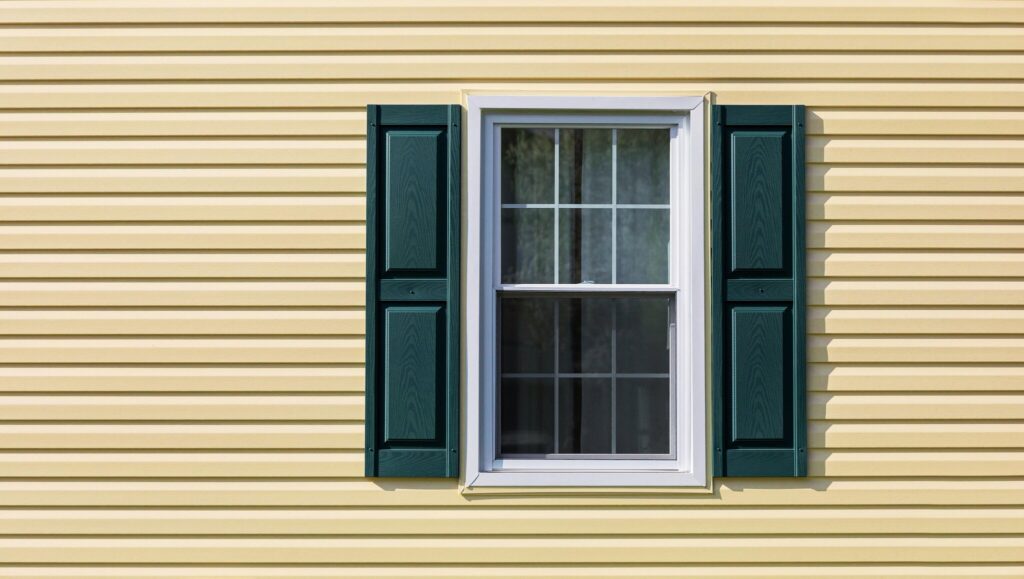
Single-hung windows—sometimes called single-sash windows—feature two sashes: one fixed and one operable. The bottom sash slides vertically to open and close, while the upper sash remains stationary. This simple and durable design makes them a staple in homes across the country, and has withstood the test of time.
Best for: Traditional, colonial, or historic-style homes, though versatile enough for many architectural designs.
Why homeowners choose them:
- Budget-friendly: Typically more affordable than double-hung options.
- Energy efficiency: Fewer operable parts can mean fewer opportunities for air leakage.
- Classic appearance: Offers the look of a double-hung window at a lower cost.
Considerations:
- Ventilation is limited since only the bottom sash opens.
Double-Hung Windows
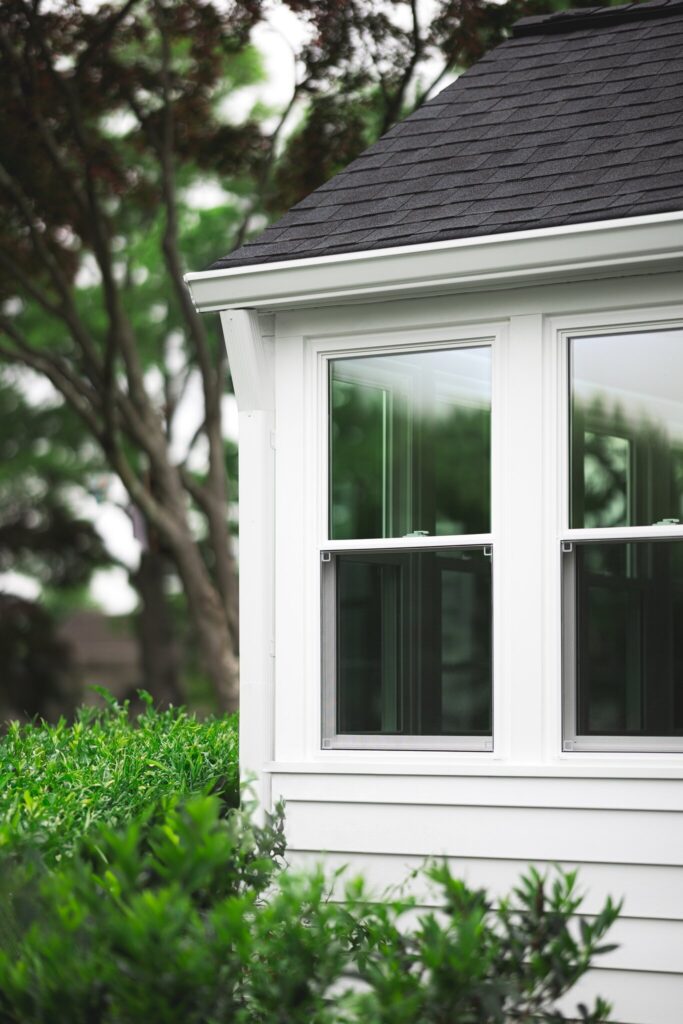
Double-hung windows feature two movable sashes that slide vertically. Both the top and bottom panels open, allowing better control of airflow. Many models also include tilt-in sashes for convenient interior cleaning. The only difference between double-hung and single-hung windows is that the top sash is operable.
Best for: Bedrooms, living rooms, and two-story homes where ventilation and cleaning access matter.
Why homeowners choose them:
- Enhanced ventilation: Open the top, bottom, or both to improve airflow.
- Easy cleaning: Tilt-in functionality simplifies maintenance.
- Versatile style: A timeless look that fits both traditional and modern homes.
Considerations:
- Because both sashes operate, they may be slightly less airtight than single-hung models—but proper installation and upgraded glass options significantly improve performance.
Casement & Awning Windows
Casement & Awning windows are hinged—either on the side or at the top—and open outward. Casement windows hinge at the side and opens like a door; whereas awning windows hinge at the top and opens outward at the bottom.
To operate, both styles have an extendable crank handle for smooth opening and closing. To accommodate the outward-opening style, screens are located on the inside of the glass to allow easy, unobstructed operation; in comparison, single-hung, double-hung or sliding windows, which slide on tracks, have exterior-placed screens, which is standard.
Casement & Awning windows are the most energy-efficient options among this selection. This style of window resists nearly all air penetration, because when closed, the sash and frame press tightly together, creating an air-tight seal, and blocking anything from passing inside or out.
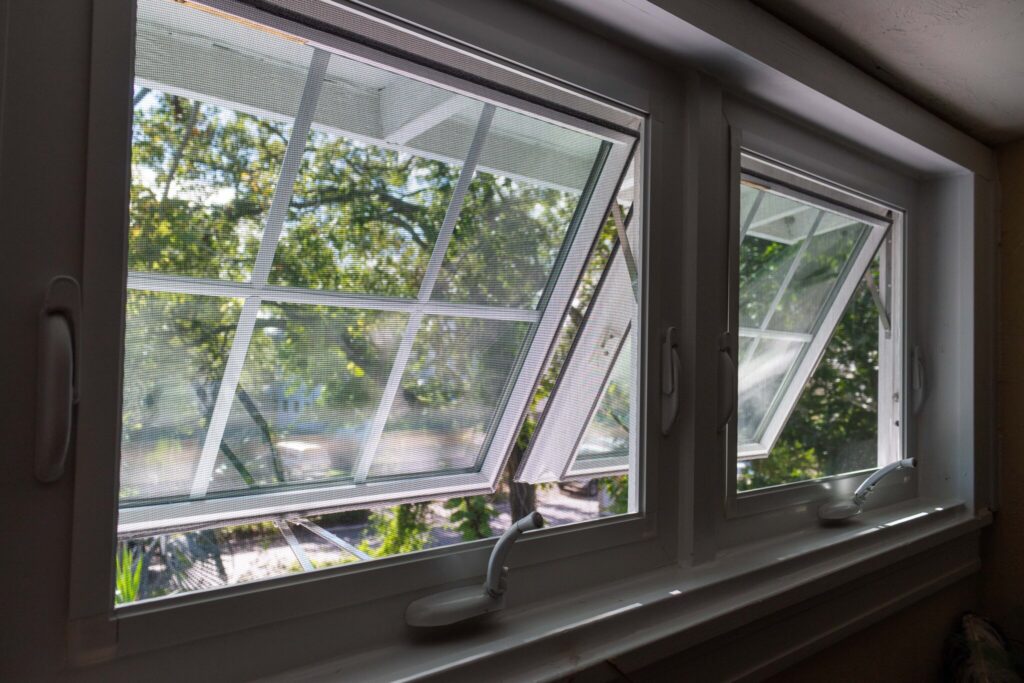
Best for: Bathrooms, kitchens, basements, or areas where wall space, ventilation, and easy access are priorities.
Why homeowners choose them:
- Easy Operation: Crank handles are simple to use and make opening and closing the sash smooth without excessive reaching or strain.
- Energy efficient: Tight seals help reduce drafts and moisture infiltration.
- Flexible placement: Often paired with fixed windows, or where operational accessibility is a primary concern (think over your kitchen sink across the counter).
Considerations:
- Because they open outward, they may not be suitable near walkways, patios, or tight exterior spaces.
Sliding Windows
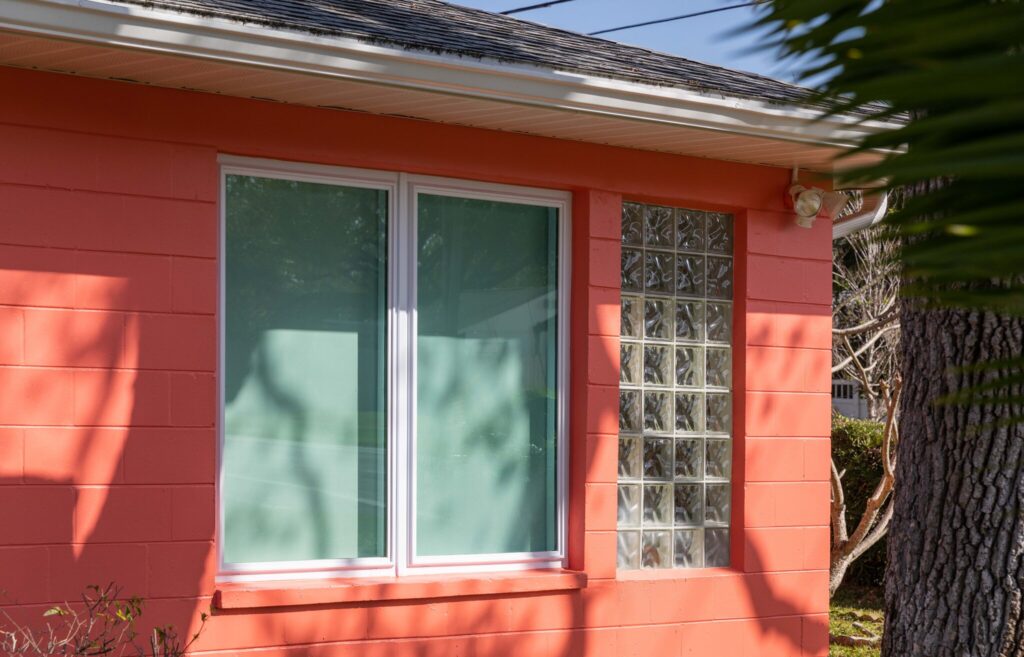
Sliding (or gliding) windows operate horizontally along a track, with one or both sashes operating side to side. Their sleek profile and wide glass area make them a popular choice for contemporary homes.
Best for: Ranch-style homes, lower ceilings, hard-to-reach places (for example, above the kitchen sink), and spaces with limited vertical wall area.
Why homeowners choose them:
- Smooth operation: Easy to open, especially in hard-to-reach areas.
- Simple cleaning: Many models lift out for interior and exterior access.
- Wide views: Large glass panels maximize natural light and outdoor visibility.
Considerations:
- They typically don’t open as wide as casement-style windows, which may slightly limit ventilation.
Fixed (Picture) Windows
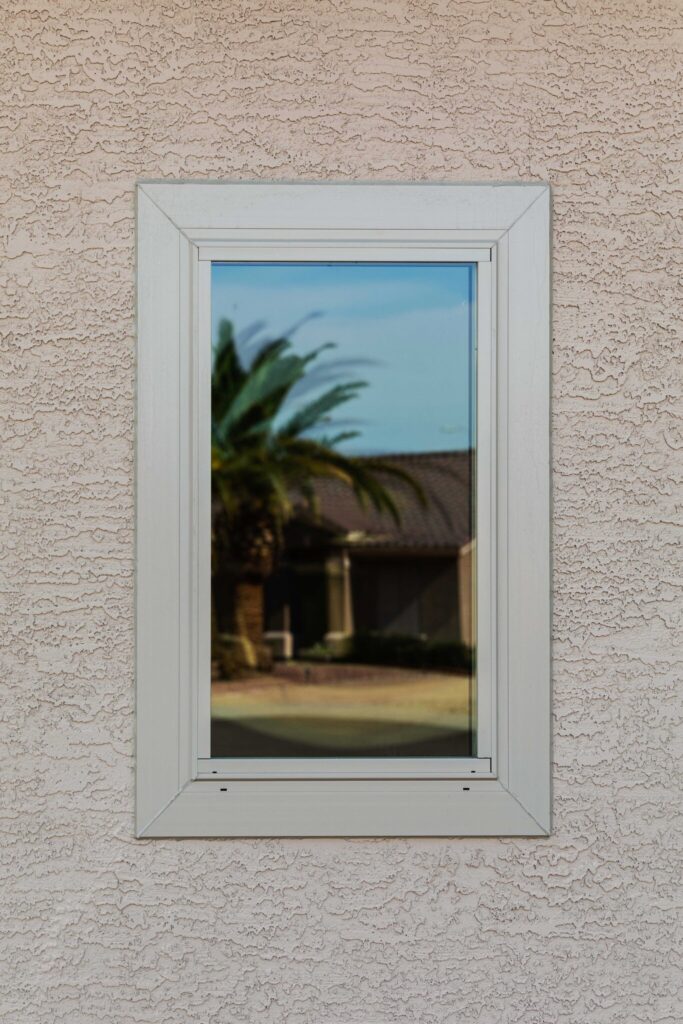
Fixed, or picture, windows do not open—but they deliver expansive, uninterrupted views and abundant natural light. With no operable components, they are among the most energy-efficient window styles available.
Best for: Living rooms, stairwells, vaulted ceilings, or areas where you want a dramatic focal point and where ventilation is not a concern.
Why homeowners choose them:
- Excellent energy efficiency: No operable parts means fewer air leaks.
- Maximum natural light: Ideal for brightening large spaces.
- Design impact: Creates a strong architectural statement.
Considerations:
- Because they do not open, they must be paired with operable windows if ventilation is needed.
Bay & Bow Windows
Bay and Bow windows are both stylish and functional architectural features that add depth, dimension, and usable space to the room. Their outward projection creates additional floor area that can serve as a reading nook, cozy seating area, or simply provide some extra leg room.
Bay windows are structural, outward-projecting windows typically composed of three or more panels. The two side panels sit at an angle—typically 30 or 45 degrees—and the center panel is flat and faces outwards.
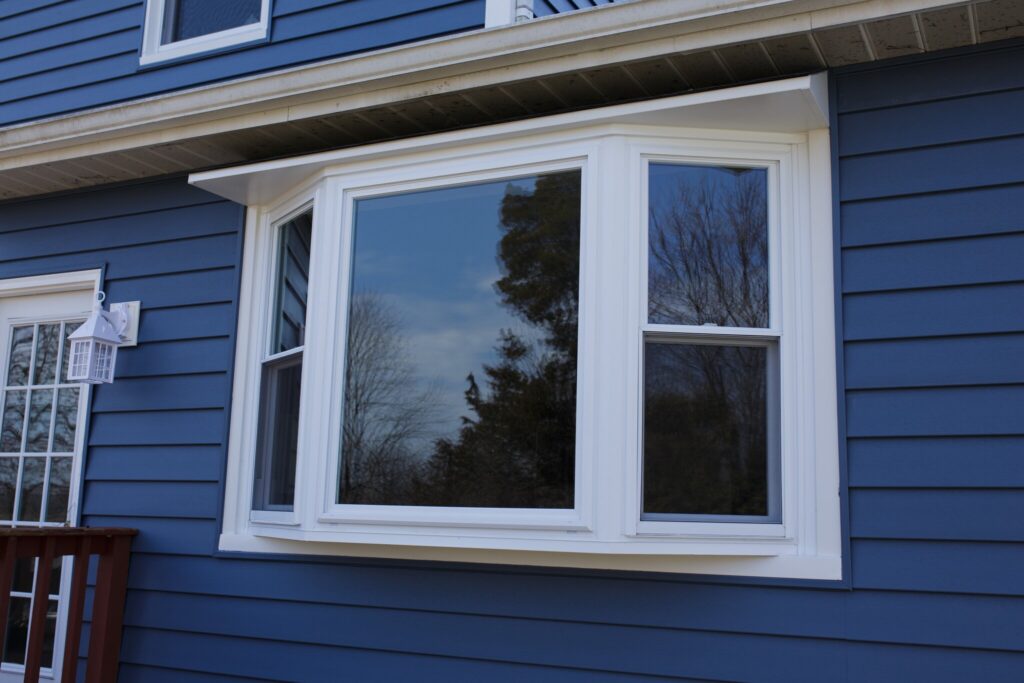
Bow windows are similar in concept to bay; however they have more panels (four to five or more), forming an arched shape, closer to a semi-circle appearance. Because of their curved design and additional panels, bow windows are usually custom-made and involve a more complex installation process than bay windows.
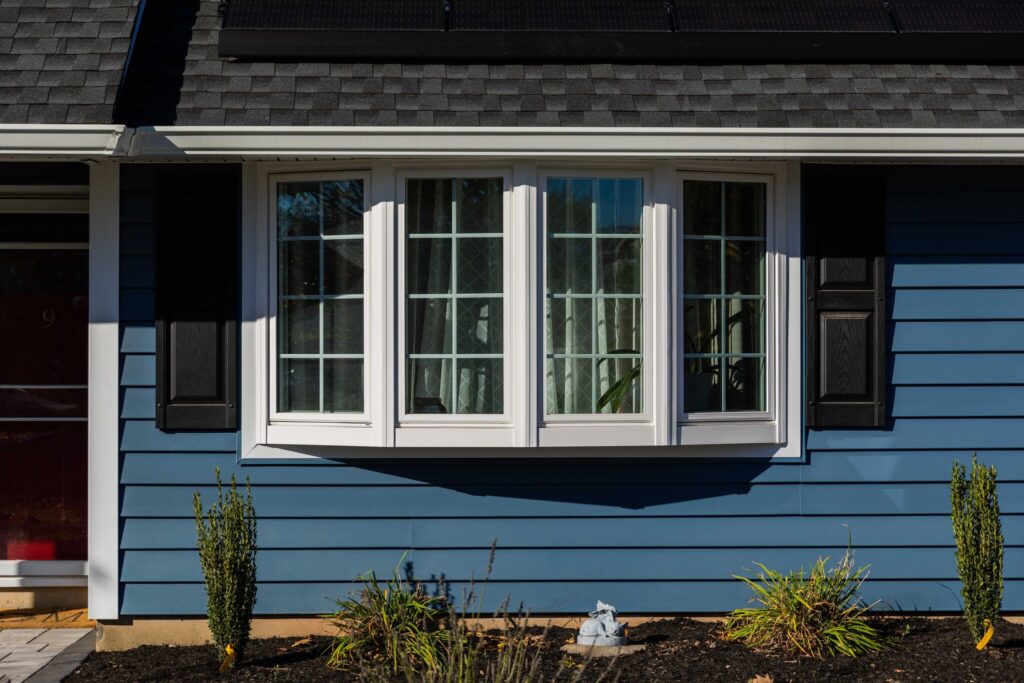
Bay and bow windows are custom made, and involve a more complex installation process than typically installation windows. Installation and pricing is comparable.
Best for: Areas in the front of the house such as kitchens, living rooms, and bedrooms.
Why homeowners choose them:
- Boosted curb appeal: Add long-term value and elevates the exterior curb appeal.
- Added space: The outward projection creates additional interior square footage—perfect for seating, storage, etc.
- Visual Contrast: Adds depth and character to the home’s face for a more dynamic design.
Considerations:
- Bay & bow windows are custom-made; however, their installation process is generally the same. These styles are costlier to install other styles, however, they adds curb appeal and increase the value of the home.
Architectural Windows
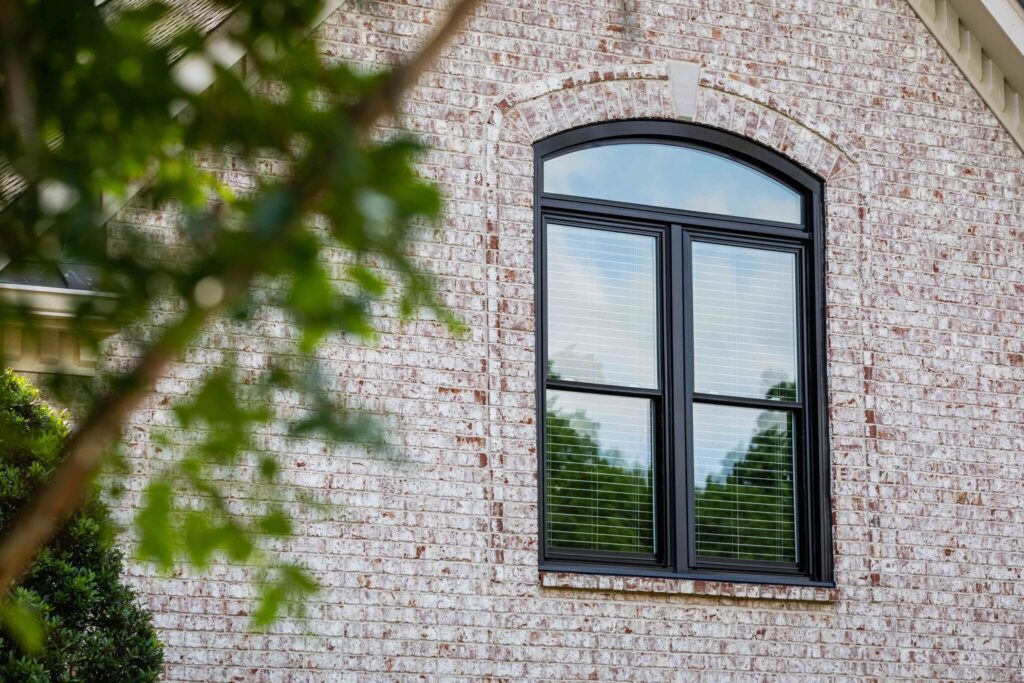
Architectural windows are fixed, non-opening windows designed to primarily serve as focal points that strike visual interest to enhance a home’s character and curb appeal. This window type comes in a variety of shapes and sizes, allowing homeowners to get creative and add decorative styles to the home’s interior and exterior aesthetic.
Available in a wide range of styles, shapes, and sizes, architectural windows permit significant design flexibility and creativity. Popular styles include the half round, octagon, eyebrow, trapezoid, full circle, oval, quarter arch, circle top, triangle, and more.
Best for: Creating striking focal points and enhancing curb appeal. Best placements include living areas, stairwells, and entry areas.
Why homeowners choose them:
- Eye-catching focal points: Variety distinct, nontraditional window shapes for instant visual interest.
- Elevated design: Break away from standard windows and custom pattern possibilities.
- Increased natural light: Fixed designs maximize uninterrupted light and views.
Considerations:
- Architectural windows are typically fixed, offering no ventilation. If ventilation is a concern, consider pairing your architectural windows with operable ones. Architectural windows are also more expensive than a standard rectangular design.
Choosing the Perfect Window for Your Home
Every home has different needs, and every homeowner has different priorities. Whether you’re focused on lowering energy bills, increasing airflow, simplifying maintenance, or elevating curb appeal, understanding the different window styles is the first step toward making a confident decision.
With the right combination of performance, placement, and design, your new windows can enhance comfort and add lasting value to your home.
For personalized, expert guidance on upgrading your windows, schedule your free in-home estimate today.
Back to News